\n\n

Meta made its own AI detection system. It should have just used Google’s

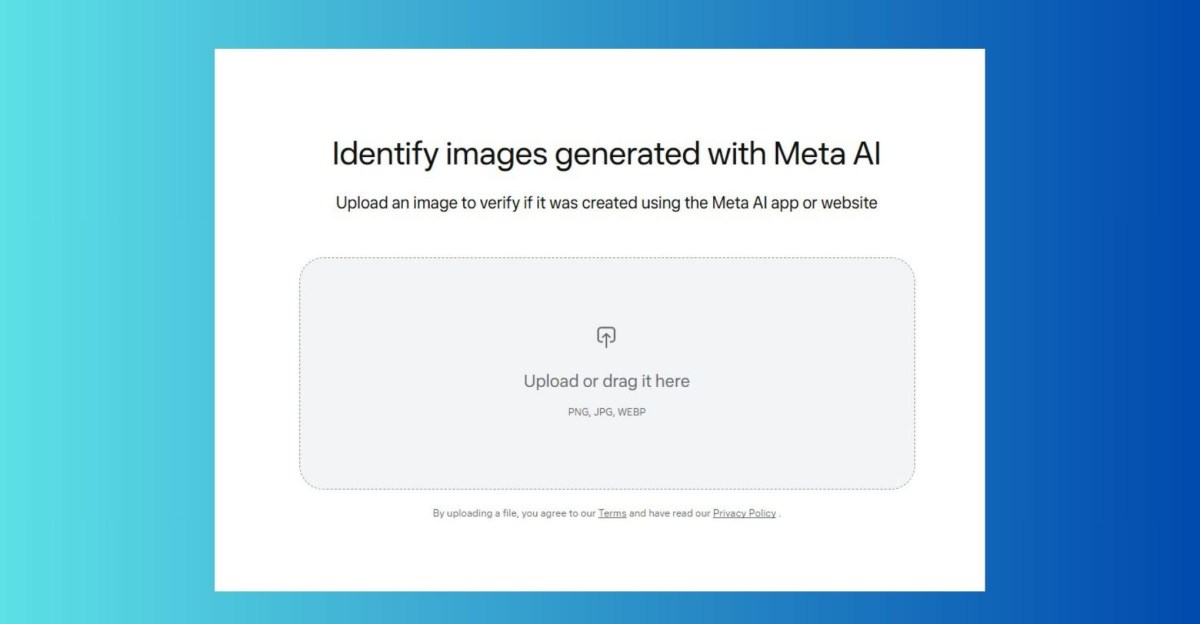
Content Seal sounds a lot like a less accessible and reliable version of SynthID. | Image: Meta / The Verge

IIn March, Meta’s Oversight Board called on the company to “meet its public commitments and employ its own tools” to help quell the spread of deceptive generative AI content across platforms. Meta responded in July by introducing Content Seal – an invisible watermarking technology that flags images generated by the company’s new AI model. But it was basically a footnote buried in the company’s announcement for its Muse image and video generation tools.

As someone who spends a lot of time scrutinizing AI labeling systems, Content Seal doesn’t fill me with confidence. There are already more established solutions, like C2PA Content Credentials …


Read the full story at The Verge.

Related Posts

Nvidia is sending GPUs to the Moon

If there’s a place in the universe without GPUs, Nvidia is sending them there.

AI arms race in line for a reckoning after OpenAI hacking incident

OpenAI chief executive Sam Altman earlier this month endorsed the characterisation of its latest model as a rottweiler “who will grab the problem by the throat and not let go…

Leave a Reply

Your email address will not be published. Required fields are marked *

You Missed

Nvidia is sending GPUs to the Moon

AI arms race in line for a reckoning after OpenAI hacking incident

AI arms race in line for a reckoning after OpenAI hacking incident

Homicide levels trending lowest in more than a century: Research

Homicide levels trending lowest in more than a century: Research

Another cyclospora outbreak not linked to lettuce under investigation: FDA

Another cyclospora outbreak not linked to lettuce under investigation: FDA

Thune: ‘I can’t count to 50’ GOP votes on reconciliation 3.0 framework

Thune: ‘I can’t count to 50’ GOP votes on reconciliation 3.0 framework

Overlooking Asian American voters could cost Democrats the midterms

Overlooking Asian American voters could cost Democrats the midterms