
Navigating the Complexities of Iran’s Nuclear Negotiations
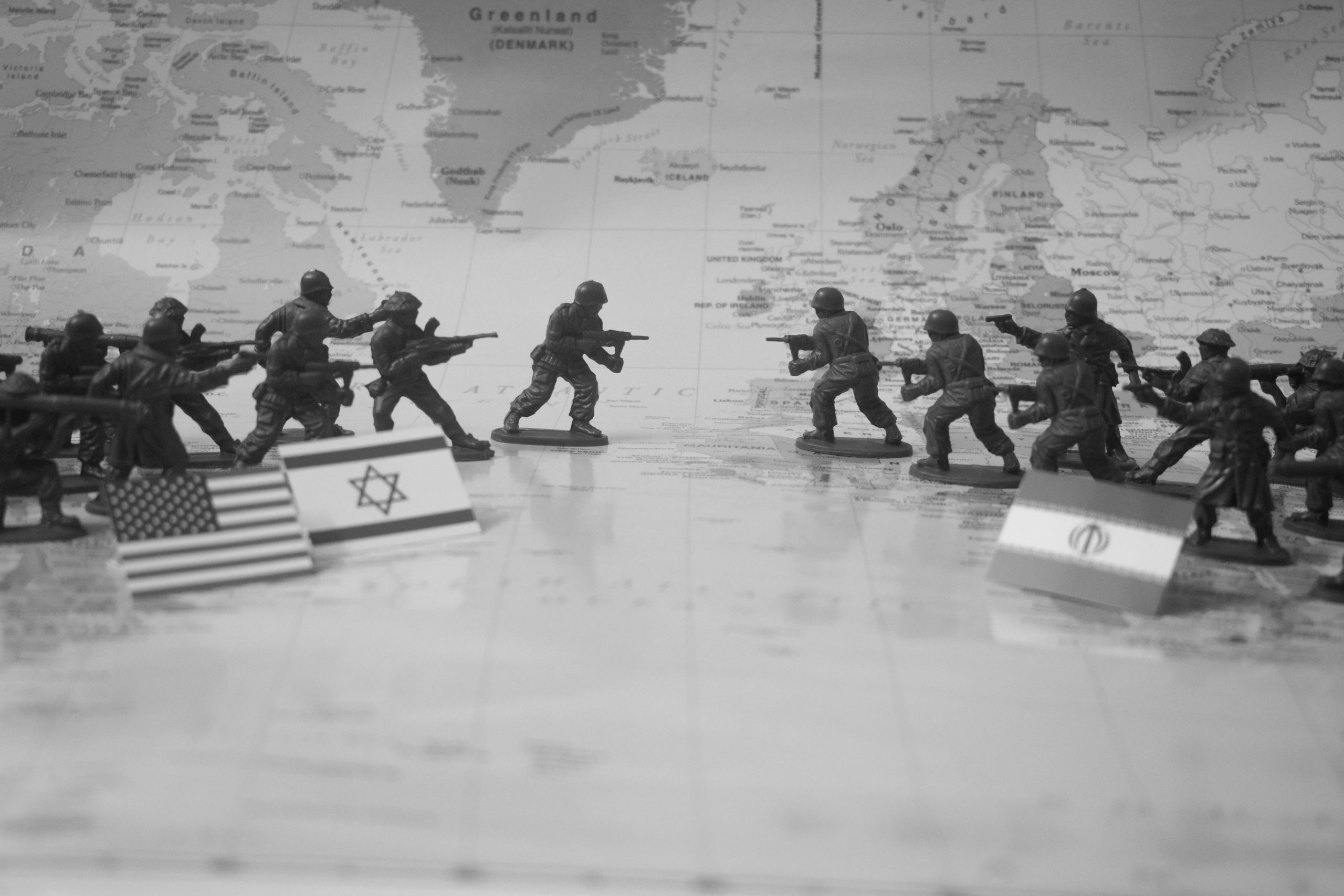
So, what’s the deal with Iran’s nuclear negotiations lately? It’s been a bit of a rollercoaster, with tensions high and progress often feeling just out of reach. Despite numerous rounds of talks, driven by both the urgency of avoiding further escalation and the complexities of long-standing disagreements, a definitive breakthrough remains elusive. Recent events, like proposed ceasefires and intelligence assessments, indicate an ongoing, intricate dance between the desire for de-escalation and the deeply entrenched positions of the involved parties.
The Shifting Sands of Diplomacy
Negotiations surrounding Iran’s nuclear program are, to put it mildly, not straightforward. Think of it less as a single, clear path and more like navigating a dense fog where the landscape constantly changes. For years, the international community, particularly the P5+1 (the US, UK, France, China, Russia, plus Germany), has been trying to pin down Iran’s nuclear ambitions, aiming to prevent it from acquiring the capability to build a nuclear weapon.
The JCPOA Legacy and Its Shadow
The Joint Comprehensive Plan of Action (JCPOA), signed in 2015, was meant to be the big solution. It imposed significant restrictions on Iran’s nuclear activities in exchange for sanctions relief. While it temporarily put a lid on Iran’s pathway to a bomb, its controversial withdrawal by the US in 2018 fractured the agreement and sent both sides scrambling back to the drawing board. The current negotiations are, in many ways, an attempt to either revive something akin to the JCPOA or forge an entirely new understanding, picking up the pieces of what was lost.
The Core Disagreements
At the heart of the issue are fundamental sticking points. The United States typically demands stricter limits on Iran’s uranium enrichment levels, its ballistic missile program, and its regional activities, which are seen as destabilizing by many. Iran, on the other hand, tends to insist on focusing solely on its nuclear program and wants swift, comprehensive sanctions relief and the unfreezing of its assets. The E3 (France, Germany, UK) have often pushed for direct talks between the US and Iran, seeing it as the most efficient route to a resolution, even proposing extensions to UN Security Council Resolution 2231 as a potential bargaining chip.
The Role of Regional Players in a Volatile Arena
It’s not just about Iran and the major global powers. The Middle East is a complex neighborhood, and the nuclear issue in Iran casts a long shadow over its neighbors. This means that regional players are inevitably drawn into the diplomatic fray, sometimes as mediators and other times as stakeholders with their own security concerns.
Israel’s Position: A Persistent Concern
Israel, in particular, has consistently viewed Iran’s nuclear program as an existential threat. Prime Minister Netanyahu has been very direct about this, and close coordination with the US on this issue has been a hallmark of his approach. The concern is that a nuclear-armed Iran would fundamentally alter the regional balance of power, posing a direct danger to Israel. This has led to significant pressure from Israel for robust international action and has influenced the tenor of negotiations, often pushing for even stricter measures against Iran.
Omani Mediation: A Bridge Builder?
Oman has emerged as a crucial intermediary, using its neutral stance and discreet diplomacy to facilitate communication between Washington and Tehran. Multiple rounds of talks, often held in Geneva, have been mediated by Oman. These sessions have sometimes shown glimmers of progress, hinting at the possibility of finding common ground. However, the success of these mediations is always contingent on the willingness of both sides to compromise, which has been a consistently difficult hurdle.
Turkish and Qatari Involvement
Beyond Oman, other regional actors like Turkey and Qatar have also played roles, hosting summits and engaging in shuttle diplomacy. Their involvement underscores the regional dimensions of the nuclear issue and the desire of many countries in the Middle East to see a de-escalation of tensions. These efforts, while sometimes less publicly visible than those of the US or European nations, contribute to the broader diplomatic landscape.
The Technical Nuances of Uranium Enrichment and Beyond
When we talk about Iran’s nuclear program, it’s easy to get lost in the political rhetoric. But there are very specific technical aspects that form the bedrock of the negotiations. Understanding these is key to grasping why certain demands are made and why certain compromises are difficult.
What is Uranium Enrichment and Why Does it Matter?
Uranium enrichment is the process of increasing the concentration of the U-235 isotope in uranium. This is necessary for both peaceful nuclear energy and for creating fissile material for nuclear weapons. The level of enrichment is the critical differentiator. Low-enriched uranium (LEU) is used for power reactors, typically at around 3-5% purity. Weapons-grade uranium, on the other hand, needs to be enriched to 90% or more. The international community’s primary concern is that Iran’s enrichment capabilities could be diverted towards developing weapons-grade material.
The IAEA’s Watchful Eye
The International Atomic Energy Agency (IAEA) plays an indispensable role in verifying that Iran’s nuclear activities are peaceful. Their inspectors are on the ground, monitoring declared facilities and conducting inspections. The IAEA’s reports on Iran’s nuclear status are closely watched as they provide crucial, independent assessments of whether Iran is adhering to its commitments and how much enriched uranium it possesses. The agency also needs to account for any fissile material, such as the 440kg of highly enriched uranium (HEU) that remains a point of concern for the international community.
Conversion Facilities and Rebuild Concerns
Beyond enrichment, the status of Iran’s conversion facilities is also a point of contention. The destruction of a conversion facility in June 2025 by Israel, for instance, raised concerns about Iran’s ability to further process its uranium stockpile. The potential for rebuilding such facilities, or the implications if they are rebuilt, remains a significant factor in the ongoing security calculus and diplomatic discussions.
The Impact of Unforeseen Events on Negotiations
Diplomacy rarely unfolds in a sterile, predictable environment. Real-world events, especially those with military implications, can dramatically alter the trajectory of talks, sometimes derailing months of patient negotiation in a matter of hours.
The February 2026 Strikes: A Major Setback
The strikes that occurred in February 2026, just days after a reportedly productive round of Omani-mediated talks in Geneva, serve as a stark example. Targeting Iran under the pretext of its nuclear program, these strikes were widely seen as a deliberate attempt to disrupt the diplomatic process. Less than 48 hours after signs of “substantial progress,” such an aggressive action understandably froze any momentum and deepened mistrust between the parties.
Trump’s Discontent: A Factor in the Pace
The involvement of former President Trump, who has expressed unhappiness with the pace of negotiations, adds another layer of complexity. His pronouncements and potential policy shifts, even if not directly involved in the current diplomatic framework, can create an atmosphere of uncertainty and influence the strategies of other actors. This can lead to a push for quicker outcomes, which can sometimes be counterproductive in delicate negotiations.
The Ceasefire Push: A Last Ditch Effort?
The 45-day ceasefire push in April 2026, orchestrated by the US and Iran with mediators like Pakistan’s Asim Munir, highlights the desperate efforts to de-escalate looming conflict. The proposal for Iran to forgo its nuclear weapons program in exchange for sanctions relief and the release of frozen assets, with a target deal in a matter of weeks, signals the extreme pressure to find a resolution. However, Iran’s rejection of reopening the Strait of Hormuz indicates that even during such critical phases, core national interests remain fiercely defended, making a comprehensive deal exceptionally challenging.
The Question of Readiness and Expertise in the Negotiating Teams
The success or failure of complex international negotiations can often hinge on the quality and preparation of the individuals involved. In the case of Iran’s nuclear talks, there have been questions raised about the level of expertise brought to the table, particularly compared to previous negotiations.
The 2015 JCPOA Model: A Higher Bar?
When looking back at the 2015 JCPOA negotiations, the US team, for instance, reportedly involved around 400 experts. This suggests a deep bench of technical and legal minds focused on crafting very specific and strict restrictions, along with robust IAEA monitoring mechanisms. The analysis of current US teams has sometimes pointed out a lack of comparable technical depth, raising concerns about their ability to fully grasp and counter Iran’s nuclear advancements and to effectively negotiate intricate technical safeguards.
The Need for Deep Technical Understanding
Negotiating nuclear programs requires a granular understanding of centrifuge technologies, enrichment levels, fissile material calculations, and verification protocols. Without this deep technical knowledge, negotiators can be at a disadvantage, potentially overlooking critical loopholes or agreeing to terms that don’t sufficiently constrain Iran’s capabilities. This is not a realm where superficial understanding suffices; it demands precision and expertise.
The E3’s Role in Bridging Gaps
The European E3 (France, Germany, UK) have often emphasized the need for direct US-Iran engagement, as they possess significant technical expertise themselves and have a vested interest in a verifiable agreement. Their presence and input can be crucial in ensuring that the technical details are robustly addressed, acting as a bridge between the more politically driven positions of the US and Iran, and trying to ensure the technical integrity of any potential deal.
The Future: An Uncertain Path Forward
As of early 2026, the situation remains fluid and highly sensitive. The proposed ceasefire, while offering a sliver of hope, also underscores the precariousness of the current state of affairs. The interplay between diplomatic initiatives, intelligence assessments, regional dynamics, and the technical intricacies of Iran’s nuclear program creates a constantly shifting landscape.
Intelligence Assessments: A Source of Contention
The US intelligence assessment from March 2026, which contradicted claims of a structured nuclear weapons program and stated that Iran had not made a decision to weaponize, is a significant development. This adds another layer of complexity to the negotiations, as it potentially challenges the narrative that has driven some of the stricter demands. However, such assessments can also be debated and interpreted differently, leading to continued disagreement on the level of threat and the appropriate course of action.
The 440kg HEU: An Unresolved Issue
The unresolved issue of the 440kg of highly enriched uranium (HEU) in Iran’s possession continues to be a major point of discussion and concern. IAEA verification of this material and its disposition is central to any potential agreement. Without a clear plan for this stockpile, the path to sanctions relief and normalization of relations will remain blocked.
The Road Ahead: More Sticking Points Than Smooth Sailing
Ultimately, navigating the complexities of Iran’s nuclear negotiations is a marathon, not a sprint, characterized by incremental progress interspersed with significant setbacks. The desire for sanctions relief and asset unfreezing on Iran’s side, coupled with the international community’s imperative to prevent nuclear proliferation, creates a perpetual tension. The ongoing involvement of regional powers, the influence of past agreements, and the ever-present threat of unforeseen events mean that the path forward is likely to remain fraught with challenges. A truly lasting solution will require significant political will, a willingness to compromise on all sides, and a deep understanding of the intricate technical and geopolitical realities at play.
FAQs
What is the current status of Iran’s nuclear program?
As of [current year], Iran has continued to enrich uranium and has expanded its nuclear program, despite international efforts to curb its nuclear activities. The International Atomic Energy Agency (IAEA) has reported that Iran has exceeded the limits set by the 2015 nuclear deal, known as the Joint Comprehensive Plan of Action (JCPOA).
What is the Joint Comprehensive Plan of Action (JCPOA)?
The JCPOA, commonly referred to as the Iran nuclear deal, was an agreement reached in 2015 between Iran and the P5+1 countries (United States, United Kingdom, France, Russia, China, and Germany). The deal aimed to limit Iran’s nuclear activities in exchange for sanctions relief. However, in 2018, the United States withdrew from the agreement, leading to increased tensions and uncertainty surrounding Iran’s nuclear program.
What are the key issues in the current negotiations with Iran?
The key issues in the current negotiations with Iran revolve around reinstating the JCPOA and addressing Iran’s nuclear activities. This includes discussions on the level of uranium enrichment, the monitoring and verification of Iran’s nuclear facilities, and the potential lifting of sanctions.
What are the concerns surrounding Iran’s nuclear program?
The concerns surrounding Iran’s nuclear program include the potential for Iran to develop nuclear weapons, destabilize the region, and increase the risk of nuclear proliferation. The international community has expressed concerns about Iran’s lack of transparency and compliance with nuclear non-proliferation agreements.
What are the potential implications of the Iran nuclear negotiations?
The potential implications of the Iran nuclear negotiations are significant and wide-ranging. A successful negotiation could lead to the reinstatement of the JCPOA, easing of sanctions, and increased stability in the region. However, failure to reach an agreement could result in heightened tensions, increased nuclear proliferation risks, and further instability in the Middle East.
Source & Attribution
One Place News editorial content.
Filed Under
Politics & Law