One Place News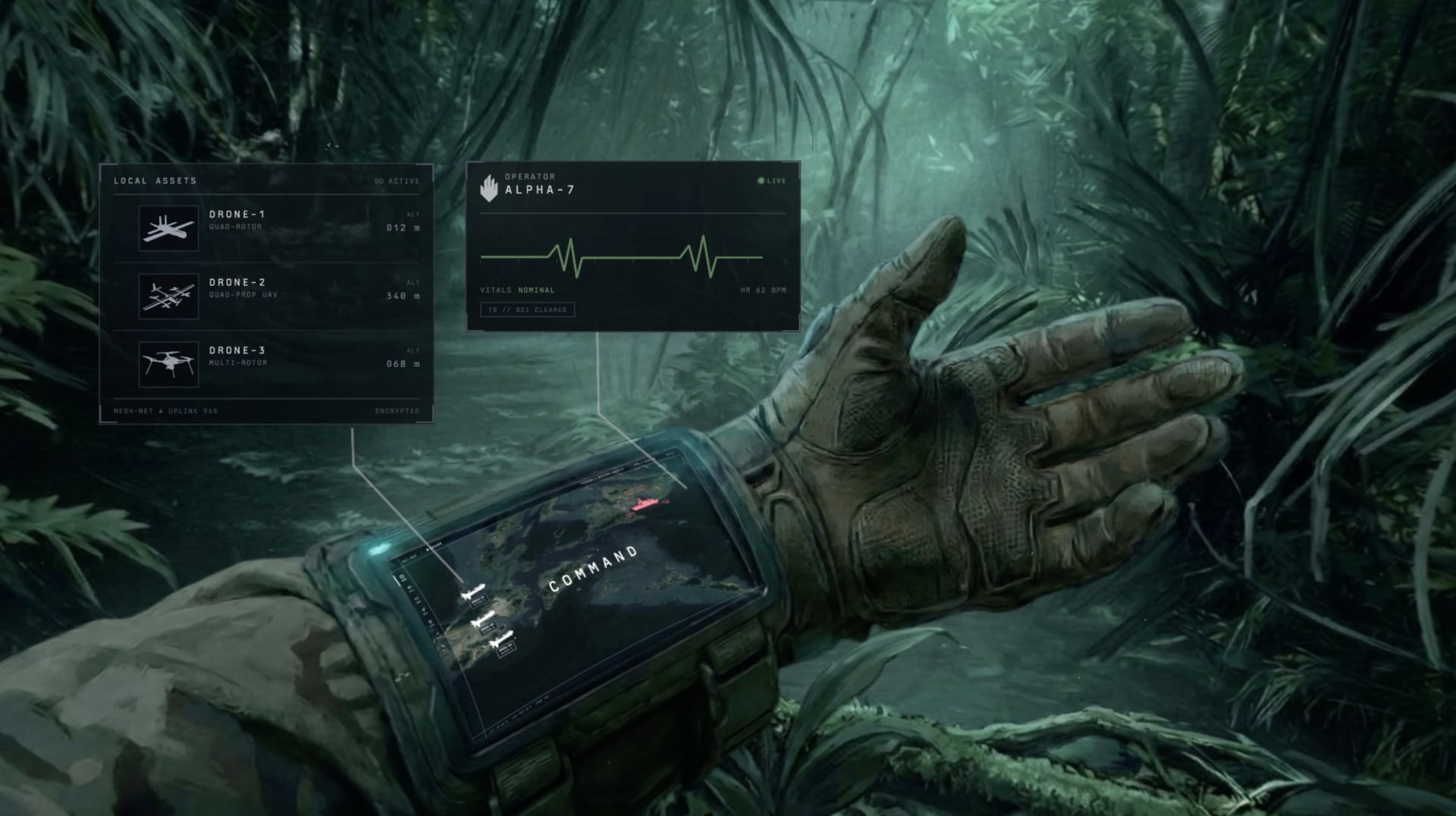
Using fake radio signals to spoof the enemy is a common stratagem.
The Department of Defense wants to take that idea one step further and wield AI-generated “personalities” to mimic real people — and fool enemy AI trying to identify patterns in friendly cellphone traffic.
The goal is to mask “digital exhaust,” the metadata automatically emitted by mobile phones, such as location and specific device IDs. Intelligence agencies, law enforcement, militaries and even criminals have become adept at using this digital debris to locate users and analyze their behavior.
In particular, “accessing foreign mobile phone networks exposes individuals and organizations to surveillance and espionage threats,” warned the DoD Small Business Innovation Research solicitation, which opens Sept. 23 and closes Oct. 21.
“Adversaries can leverage this data to track daily routines, identify deviations indicating special events (e.g., VIP visits or mission preparation), and map sensitive facilities based on cell phone concentration or periods of inactivity,” the solicitation explained.
The solicitation doesn’t specifically mention AI-created people chatting on their mobiles. But DoD does envision a “digital exhaust deception system” in which AI “personas” generate cellphone signals that mimic the behavior of real people.
Each device should have a minimum of two personas, and eventually four or more. The device should weigh fewer than 2 pounds and have a battery life of up to 36 hours.
Defense startup raises $61 million to put AI into a wrist-worn display
Merely generating fake cellphone signals isn’t enough. The device must “mimic realistic patterns of life to defeat automated network analysis,” DoD said.
At a minimum, this means defeating basic traffic analysis. Ultimately, the Pentagon wants a system that can defeat behavioral tracking by advanced AI.
Phase I of the project involves creating a design concept and algorithms, as well as listing any “proprietary software required to conduct AI-enabled mission planning and operations.” Phase II will generate a prototype, followed by Phase III and delivery of “fully integrated mission management software and hardened decoy box form factors (e.g., Wi-Fi router-sized team devices and puck-sized personal devices).”
The technology could lend itself to civilian applications. A capability to obscure cell phone metadata “directly translates to protecting high-value corporate assets, personnel, and intellectual property from commercial espionage and tracking,” the solicitation states.
Analyzing signal traffic has long been a useful intelligence tool. For example, in World War II, the U.S. Navy used it to derive intelligence on Japanese naval deployment. Today, police have software that uses cell phone data to trace a user’s past movement for months.
On the other hand, traffic analysis can boomerang on its creators. Japan used decoy radio signals in 1941 to convince U.S. analysts that the Japanese fleet was at home, rather than steaming toward Pearl Harbor, Hawaii.