
Stem cells reverse stroke damage and restore movement in mice
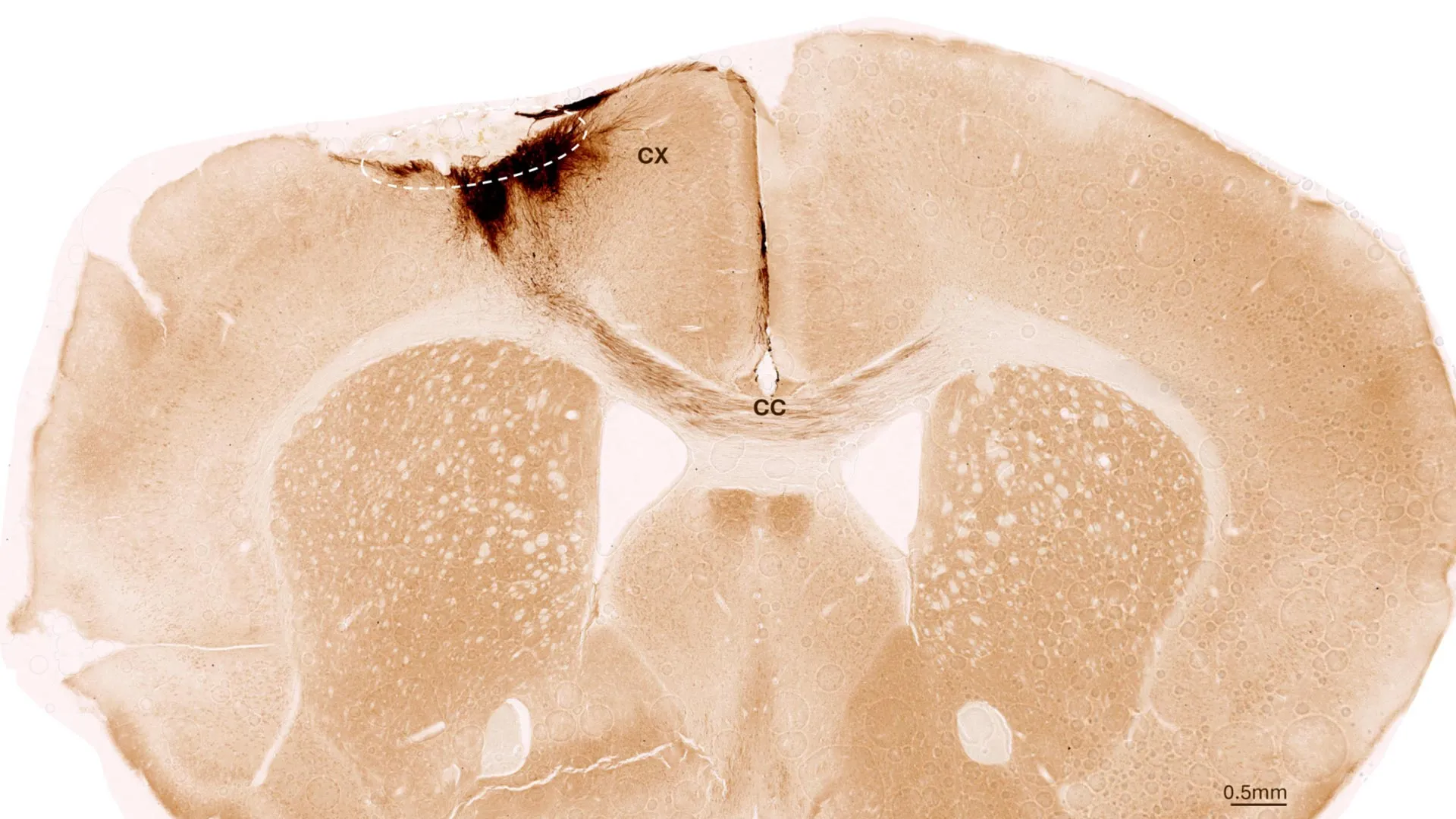
Stem cell transplants helped regenerate stroke-damaged brain tissue in mice, producing new neurons and restoring lost motor function. The treatment also improved blood vessels, inflammation, and the blood-brain barrier, raising hopes that a similar approach could eventually help repair the human brain after stroke. Stem cell transplants may be able to repair damage caused by stroke, according to researchers at the University of Zurich. In experiments with mice, the treatment helped generate new neurons, restore movement, and trigger several other forms of brain repair, offering a promising step toward regenerative treatments for neurological damage. Stroke is extremely common, affecting about one in four adults over a lifetime. Roughly half of those who experience one are left with lasting problems such as paralysis or difficulty speaking.
These disabilities can occur because a stroke deprives parts of the brain of oxygen or causes bleeding that destroys brain cells. Once those cells are lost, the damage has traditionally been considered permanent because there are currently no treatments capable of rebuilding the affected brain tissue. "That's why it is essential to pursue new therapeutic approaches to potential brain regeneration after diseases or accidents," says Christian Tackenberg, the Scientific Head of Division in the Neurodegeneration Group at the University of Zurich (UZH) Institute for Regenerative Medicine. One possible approach involves neural
Source & Attribution
This One Place News story was acquired from sciencedaily.com. OPN retains the source link and provenance for newsroom review.
Filed Under
Health & Food