One Place News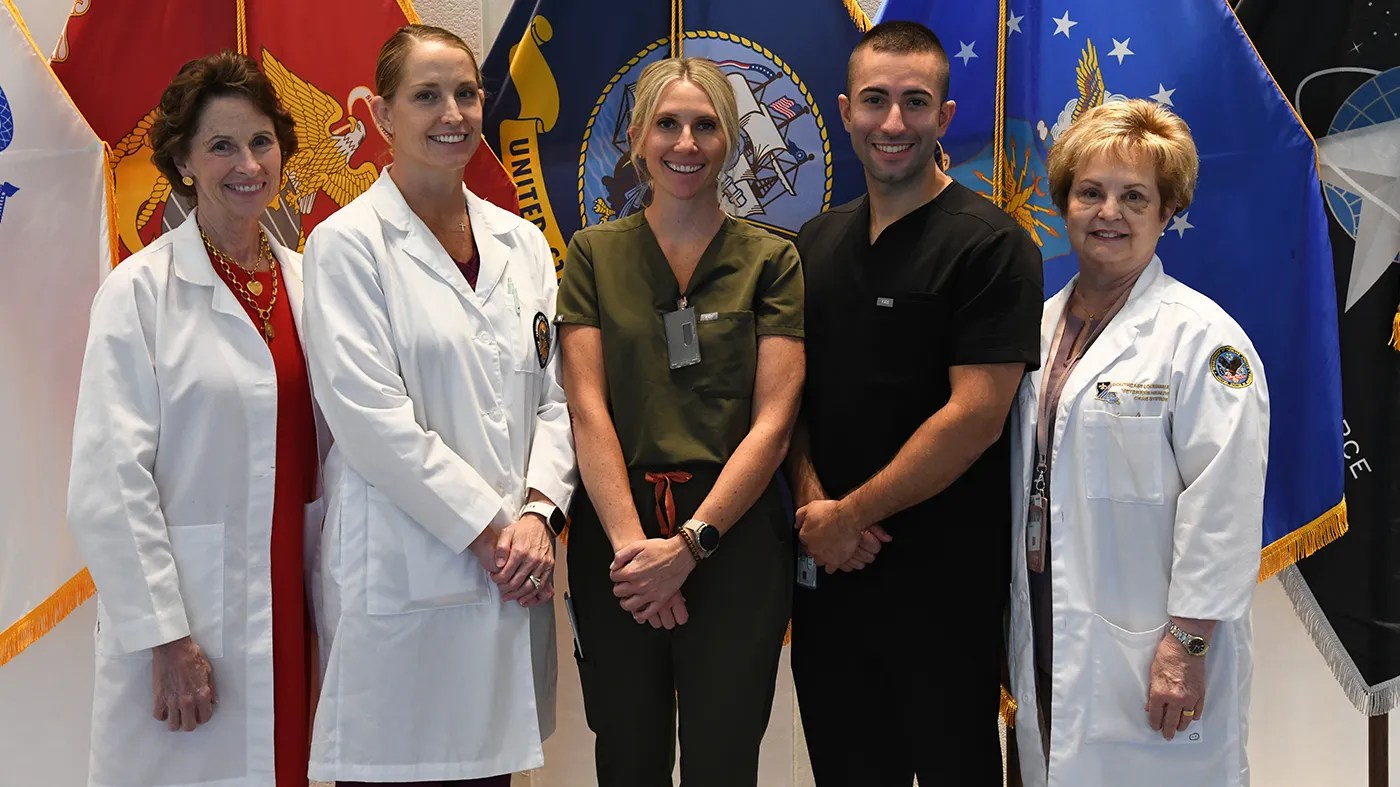
From active duty to advanced practice nurses
When it comes to medical studies, applied practice can be the best way for students to grow their expertise. That was the opportunity given to three Navy sailors from Louisiana State University at the Southeast Louisiana Veterans Healthcare System (SLVHCS).
Dr. Cynthia Benz is an advanced practice registered nurse and clinical nurse specialist in the SLVHCS hepatology department. She also serves as the site director for SLVHCS’s Clinical Nurse Specialist (CNS) program with LSU Health Sciences Center, which is hosting three active-duty Navy nurses training at the doctoral level. They are the first group of CNS students the Navy is sending to earn their Doctor of Nursing Practice (DNP) degrees, and building this clinical program required a concerted effort from Benz and other SLVHCS staff.
Navy Lt. Cmdr. Kelly Keuhner, Lt. Cmdr. Jennifer Sanders and Lt. Matthew Benevides are in the Navy’s Duty Under Instruction program, which allows them to pursue their doctoral degrees funded by the Navy in exchange for five additional years of service after completing the three-year program. Each student said they had always intended to pursue higher education, but balancing both a military career and doctoral studies was difficult until they were admitted into this program.
Building clinical expertise through partnership
Benz was contacted during the spring about the need for clinical training space for the students by Jean Cefalu, an LSUHSC instructor of nursing. Since then, Benz and Cefalu have been working alongside other SLVHCS staff members, including Dr. Irene Grundy, associate chief of staff for education and designated education officer, and Dione Davis, associate health program analyst. The group has curated a curriculum that will allow the sailors to rotate between Benz, Cefalu and two other SLVHCS clinical nurse specialists specializing in telehealth and substance abuse rehabilitation.
The program creators believe that this will be a beneficial experience for both the military students and the Veterans they’ll be treating.
The students agree.
Active-duty medical professionals will be able to connect more effectively with the Veterans they care for, due to the shared understanding of what the other party has experienced.
“You have to have walked a mile in someone’s shoes to really understand what they have gone through, because having been in the military, you could have experienced a number of things,” Sanders said.
The students shared their goals of using this experience to benefit their patients back at their Naval hospital. Benevides suggested that implementing feedback from Veterans who received treatment there will allow him to create a more positive experience for those currently serving. Similarly, Keuhner said that observing SLVHCS rehabilitation and addiction resources will better equip her to advise active duty patients dealing with substance abuse.
Overall, Benz believes this program will positively impact SLVHCS Veterans by bringing enthusiastic students to uplift the clinic. She also hopes it will attract these well-educated service members to join the SLVHCS team later on down the road.