oneplacenews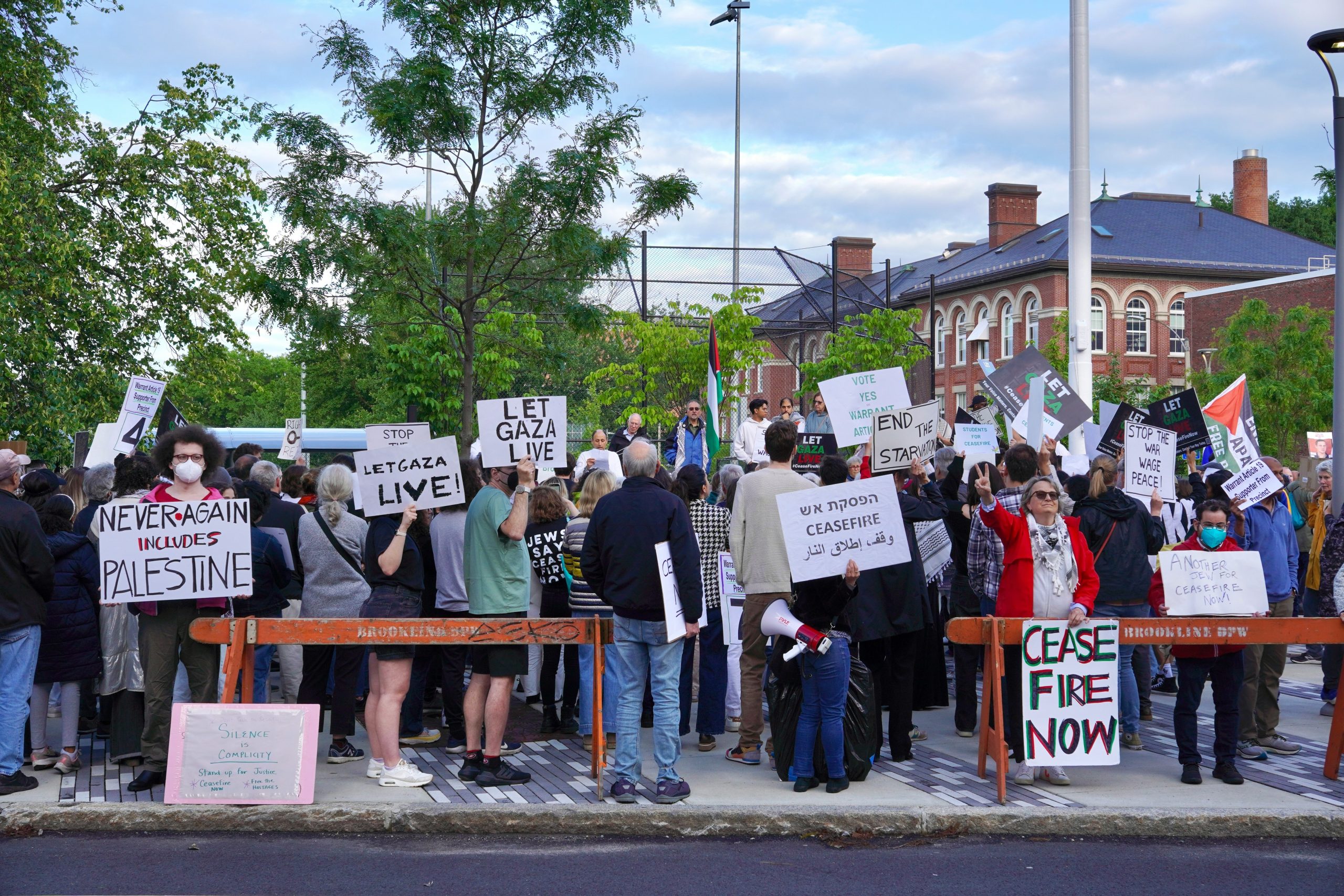
Israel officially welcomed the news of a ceasefire agreement, with its cabinet ratifying the deal with Hamas earlier this week. This approval, given by Prime Minister Benjamin Netanyahu’s government, paves the way for the agreement’s implementation, bringing a temporary halt to the recent hostilities. The ceasefire, which went into effect yesterday around noon Israel time, marks a significant, albeit complex, development in the ongoing conflict.
The agreement aims to de-escalate the current situation and kickstart a series of steps designed to address immediate concerns. It’s important to understand the practical aspects of what this means for all parties involved.
Ratification and Timeline
Israel’s cabinet officially ratified the ceasefire agreement, a crucial step for its formal commencement. This government approval came after a meeting convened by Prime Minister Benjamin Netanyahu. Following this, the ceasefire was set to take effect within 24 hours of the ratification. Practically speaking, this meant that hostilities were to cease around 12:00 p.m. Israel time yesterday.
IDF Deployment Adjustments
A key component of the initial phase involves the Israel Defense Forces (IDF). Following the ceasefire’s implementation, the IDF is slated to begin withdrawing to adjusted deployment lines or perimeter. This doesn’t necessarily mean a full pullout from all areas, but rather a repositioning of forces in line with the agreement’s terms.
The Hostage Release Mechanism
One of the most immediate and critical aspects of this ceasefire is the agreement surrounding the release of hostages. This has been a central point of negotiation and a deeply emotional issue for many.
The 72-Hour Window
Immediately following the ceasefire’s activation, a 72-hour period will commence. During this window, the release of all living and deceased Israeli hostages is expected. This means that by Monday or Tuesday, a significant number of individuals held captive are anticipated to be returned.
Verification and Logistics
While the agreement sets this timeframe, the practicalities of a secure and verified release are complex. This involves coordination between various international bodies and both sides to ensure the safe transfer of individuals. Details regarding the specific exchange points and monitoring mechanisms are likely being finalized behind the scenes.
The Scope of the Deal: Varied Interpretations

It’s clear that both sides view the agreement through different lenses, leading to differing interpretations of its ultimate goals and potential. This divergence in understanding is a critical factor to consider for any future developments.
Israel’s Perspective: Phase One of a Broader Plan
From Israel’s standpoint, this ceasefire represents the first phase of a larger framework – specifically, part of what’s been identified as Trump’s 20-point peace plan. This initial phase primarily focuses on immediate actions.
Key Components for Israel
- Hostage-Prisoner Exchange: A central objective is the exchange of Israeli hostages for Palestinian prisoners.
- Partial Israeli Troop Withdrawal: The current agreement includes a partial withdrawal of Israeli forces, as discussed earlier.
- Humanitarian Aid Entry: A significant increase in humanitarian aid into the Gaza Strip is also part of this phase.
Hamas’s Perspective: Towards a Full War End
Hamas, however, appears to interpret the agreement more broadly. Their statements suggest they view this ceasefire as a step towards a more definitive resolution.
Broader Demands from Hamas
- Full War End: Hamas indicates that they see this agreement as a potential precursor to a complete cessation of hostilities.
- Full Force Withdrawal: Beyond an initial partial withdrawal, Hamas is pushing for a full withdrawal of Israeli forces from the region.
This difference in interpretation highlights potential challenges in moving beyond the initial phases of the agreement.
Next Steps and International Involvement

The coming days will be crucial in observing the initial implementation and understanding the subsequent actions planned by various international actors.
Imminent Signatures and Presidential Travel
Both sides are expected to formally sign the agreement today. This official endorsement provides a framework for the immediate operational aspects.
Trump’s Role
Interestingly, former President Trump is slated to travel to the region. His visit is reportedly for an official signing ceremony and to participate in the welcome of the released hostages. This direct involvement by a former US President underscores the diplomatic weight placed on this agreement.
European and Arab Ministerial Meetings
In parallel with these developments, European and Arab ministers are scheduled to meet in Paris. The focus of this gathering will be on the implementation of the ceasefire.
Key Discussion Points in Paris
- Monitoring Mechanisms: Establishing robust monitoring processes to ensure adherence to the agreement’s terms.
- Coordination of Aid: Planning for the logistical challenges and distribution of the promised surge in humanitarian aid.
- Post-Ceasefire Stability: Discussing strategies to maintain stability and prevent a resurgence of conflict after the initial ceasefire period.
The Aid Surge
A significant aspect of the agreement is the commitment to surge humanitarian aid into the affected areas. This is a critical need, and international efforts will be concentrated on ensuring its effective delivery.
Addressing Humanitarian Needs
- Food and Water: Ensuring adequate supplies of essential foodstuffs and clean drinking water.
- Medical Supplies: Providing much-needed medical equipment and pharmaceuticals to hospitals and clinics.
- Shelter and Basic Necessities: Addressing the immediate needs for shelter and other basic necessities for displaced populations.
Reactions and Underlying Tensions
| Metrics | Data |
|---|---|
| Ceasefire Acceptance | Yes |
| Duration of Conflict | 11 days |
| Casualties | Over 250 in Gaza, 12 in Israel |
| Destruction | Buildings, infrastructure, and homes |
| International Pressure | United Nations, United States, and other countries |
The announcement of the ceasefire has naturally elicited a range of reactions, from cautious optimism to reaffirmation of long-held positions.
Global and Local Celebrations
Across the world, and within both Israel and Gaza, there has been a notable sense of relief and celebration. For many, any cessation of violence is viewed as a positive development.
Expressions of Hope
- International Bodies: Organizations like the UN and various governments have publicly welcomed the agreement as a necessary step towards de-escalation.
- Local Populations: People directly impacted by the conflict, who have endured significant hardship, are expressing hope for a sustained period of peace.
Hamas’s Stance on Future Phases
While Hamas has welcomed the ceasefire, they have also been quick to push back on certain aspects of potential future phases of the peace plan.
Disarmament as a Sticking Point
- Rejection of Disarmament: Hamas has explicitly rejected any notion of disarmament as part of a long-term resolution. This stance highlights a significant ideological and practical hurdle for future negotiations.
- Maintaining Military Capability: Their statements emphasize their intent to maintain their military capabilities, which directly conflicts with objectives of broader disarmament typically sought in comprehensive peace agreements.
This fundamental disagreement on disarmament underscores the deep-seated challenges that lie ahead, even as the immediate crisis appears to be temporarily managed. The ceasefire, while a welcome respite, appears to be a step in a much longer and more complicated process.
FAQs
What is Israel’s reaction to the ceasefire?
Israel has agreed to a ceasefire with Hamas, ending 11 days of intense fighting in the Gaza Strip. The ceasefire was brokered by Egypt and came into effect on May 21, 2021.
What led to the ceasefire agreement?
The ceasefire agreement was reached after intense international pressure and diplomatic efforts. The United States, Egypt, and other international actors played a key role in brokering the ceasefire.
What are the terms of the ceasefire agreement?
The terms of the ceasefire agreement include a halt to the hostilities between Israel and Hamas, as well as an agreement to address the humanitarian crisis in Gaza. The agreement also includes a commitment to address the underlying issues that led to the recent conflict.
How has the Israeli government responded to the ceasefire?
The Israeli government has expressed a commitment to the ceasefire agreement and has stated that it will work to ensure the security and safety of its citizens. Israeli Prime Minister Benjamin Netanyahu has also thanked the United States for its support in reaching the ceasefire agreement.
What are the next steps following the ceasefire?
Following the ceasefire, efforts are underway to address the humanitarian crisis in Gaza and to work towards a lasting peace in the region. The international community is also working to support reconstruction efforts in Gaza and to address the underlying issues that led to the recent conflict.

 One Place News