oneplacenews
Iran sanctions relief – what’s the deal, and what does it actually mean? Essentially, it signifies a potential shift in the multifaceted pressures on Iran, aiming to either incentivize certain behaviors or respond to changing geopolitical dynamics. It’s not a simple on-and-off switch; rather, it’s a complex and often piecemeal process with far-reaching implications for Iran itself, the global economy, and regional stability.
The Nuances of Sanctions Relief
When we talk about sanctions relief, it’s crucial to understand it’s rarely a blanket lifting of all restrictions. Instead, it often involves targeted measures, addressing specific sectors or activities. For instance, the US might consider easing sanctions related to oil exports, energy infrastructure, or financial transactions, while maintaining restrictions tied to areas like ballistic missile development, human rights, or support for designated terrorist groups. We’ve seen this kind of selective approach in the past, and it’s likely to be the pattern moving forward.
What’s Driving the Conversation Now?
Several factors are currently fueling the discussion around potential sanctions relief. A significant recent driver, as of March 2026, is the major attack on Qatar’s LNG export capacity, which wiped out a significant chunk – 17% – of their output. This event has obviously heightened global energy concerns, making reliable energy sources even more critical. In such a climate, Iran, with its substantial oil and gas reserves, becomes a more compelling potential option for increasing supply. This doesn’t mean an instant lifting of all sanctions, but it certainly puts the idea on the table for consideration, especially for the United States, given its global energy role.
The Shadow of Previous Agreements
It’s also important to remember the context of the Joint Comprehensive Plan of Action (JCPOA), often referred to as the Iran nuclear deal. While the US withdrew from the JCPOA in 2018, its legacy continues to influence discussions. The “snapback” mechanism, designed to reimpose UN sanctions if Iran violated the deal, was even invoked by Canada in September 2025, modifying their own regulations to reflect the reimposition of previously terminated UN sanctions. This move retained restrictions on designated persons/entities while lifting some trade/financial prohibitions – a good example of how complex and granular sanctions relief and reimposition can be. This historical backdrop means any new relief efforts would be viewed through the lens of past agreements and their effectiveness.
Economic Implications for Iran
For Iran, sanctions relief, even partial, would have significant economic repercussions. The country has been under immense pressure for years, with its economy struggling due to reduced oil exports, limited access to international financial markets, and difficulties in acquiring essential goods and technology.
Boosting Oil Exports and Revenue
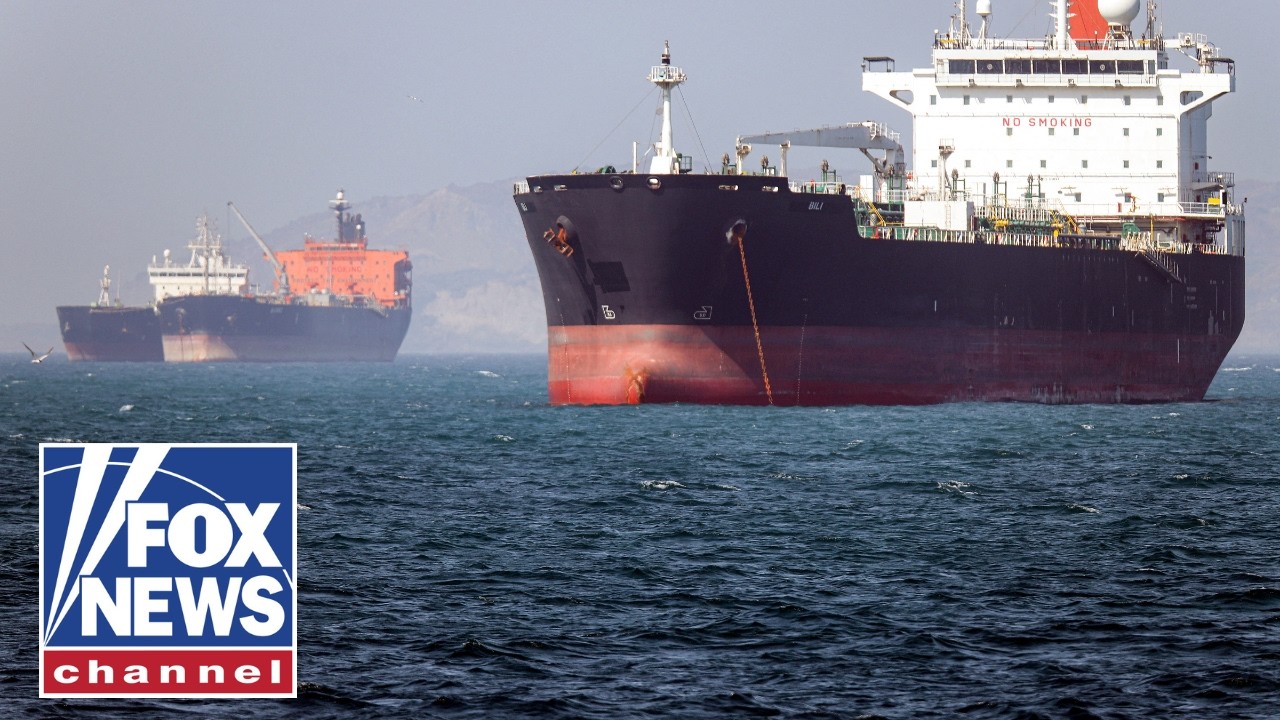
The most immediate and impactful effect of sanctions relief would likely be on Iran’s oil sector. Easing restrictions on oil exports would allow Iran to increase its production and sales, injecting much-needed revenue into its economy. This revenue could then be used to address domestic economic challenges, fund infrastructure projects, and improve social services. The current global energy landscape, especially with the recent disruption to Qatar’s LNG, makes this even more pertinent. An increase in Iranian oil supply could help stabilize global prices and provide an alternative source for energy-hungry nations. However, it’s worth noting that ramping up oil production and getting it to market isn’t an overnight process, and logistics, port infrastructure, and tanker availability would all play a role.
Reintegrating into Global Financial Systems
Beyond oil, sanctions relief would facilitate Iran’s reintegration into the global financial system. This means easier access to international banking, credit, and investment. Iranian businesses would find it simpler to conduct international trade, import necessary goods, and export their products. Foreign companies, in turn, might be more willing to invest in Iran, bringing capital and technology. This would be a crucial step in modernizing Iran’s economy and creating jobs. However, the legacy of maximum pressure, with entities like the US Treasury sanctioning over 30 entities and vessels in Iran’s “shadow fleet” and networks supporting illicit activities in 2025 alone, means banks and businesses will remain highly cautious. They will need clear guarantees and robust legal frameworks to feel comfortable re-engaging.
Addressing Domestic Economic Woes
The Iranian population has borne the brunt of economic sanctions. Relief could lead to a decrease in inflation, increased availability of goods, and more stable employment opportunities. However, the extent to which these benefits trickle down to ordinary citizens depends heavily on domestic economic policies and governance. The government would face pressure to use the newfound revenue and economic opportunities to improve living standards across the board, rather than for specific interests or projects. This has been a recurring criticism of how past windfalls have been managed.
Regional and Geopolitical Ripples
The implications of Iran sanctions relief extend far beyond its borders, affecting the delicate balance of power in the Middle East and global diplomatic relations.
Shifting Regional Dynamics
Other regional actors, particularly Saudi Arabia, Israel, and the UAE, view any easing of pressure on Iran with significant concern. They fear that increased Iranian revenue could empower its regional proxies, exacerbate existing conflicts, and allow Iran to further develop its ballistic missile program or conventional military capabilities. The “maximum pressure” campaign by the US in 2025, with over 875 designations targeting illicit petroleum sales and weapons programs, underscores these ongoing concerns. Any move towards relief would necessitate careful diplomatic engagement with these regional players to mitigate their anxieties and ensure regional stability. The concern is not just about the nuclear program, but about Iran’s wider regional behavior.
Impact on International Diplomacy
Sanctions relief could be seen as an opening for renewed diplomatic engagement with Iran on a range of issues, not just the nuclear file. It might pave the way for discussions on regional security, human rights, and other contentious matters. However, it also carries the risk of alienating allies who prefer a more hardline approach or who feel their security concerns are not being adequately addressed. The US, in considering such a move, would have to carefully navigate these complex diplomatic waters. The fact that Executive Order 13949, blocking assets of those engaged in Iran’s conventional arms activities, remains in force speaks to the US’s enduring concerns even if nuclear-related sanctions are eased.
The Role of International Oversight
A crucial aspect of any sanctions relief agreement would be the mechanisms for international oversight and verification. The international community, particularly the IAEA, would need robust assurances that Iran is complying with its obligations and that any financial benefits are not being diverted to problematic activities. Trust, once broken, is difficult to rebuild, and strict monitoring would be paramount to maintaining the credibility of any new arrangement. This is especially true given the invocation of the UN snapback mechanism in 2025, which highlighted the international community’s serious concerns about proliferation.
Challenges and Limitations to Relief
Despite the potential benefits, implementing and sustaining Iran sanctions relief presents a multitude of challenges. It’s not a straightforward path, and several obstacles could hinder its effectiveness or even derail the process.
The Enduring “Maximum Pressure” Framework
The US “maximum pressure” campaign, while potentially subject to adjustments, represents a significant hurdle. Even if some nuclear-related sanctions are eased, a substantial framework of non-nuclear sanctions targeting terrorism, human rights abuses, and ballistic missile development remains in place. Treasury’s actions in 2025, sanctioning over 30 entities and vessels, and over 875 designations to curb illicit petroleum sales and weapons programs, clearly demonstrate that these non-nuclear sanctions are active and robust. This means that even with relief, Iran would still face significant limitations on its economic activities and international engagement. Businesses and financial institutions would need to navigate a complex web of remaining restrictions, leading to continued caution and due diligence.
Political Will and Domestic Opposition
Both in Iran and in countries considering sanctions relief, there is significant domestic opposition to such moves. Hardliners in Iran might resist any concessions or perceive engagement with the West as a betrayal of revolutionary ideals. Conversely, in the US, there are strong voices who believe that ongoing pressure is the only way to compel Iran to change its behavior. Any administration pursuing relief would have to manage these domestic political pressures and build consensus, which is a considerable challenge in today’s polarized political landscape. The upcoming US presidential election cycle will inevitably play a role in the appetite for any significant policy shifts towards Iran.
Verification and Compliance Issues
Ensuring Iran’s compliance with any agreed-upon terms, particularly regarding its nuclear program, remains a critical challenge. The history of the JCPOA and its eventual unraveling highlights the difficulties in maintaining trust and verifying adherence. Any new agreement would require robust inspection and monitoring mechanisms, as well as clear consequences for non-compliance. The international community would be extremely wary of any backsliding, especially given the history and the invoked UN snapback.
Humanitarian and Human Rights Considerations
While often overshadowed by economic and geopolitical discussions, the humanitarian and human rights implications of sanctions relief are significant.
Impact on Access to Essential Goods
Sanctions can inadvertently impede the flow of essential humanitarian goods, including medicine and medical equipment, even when these items are technically exempt. Banking restrictions and the fear of secondary sanctions often make it difficult for companies to process transactions related to these goods, leading to shortages and adverse health outcomes for ordinary Iranians. Sanctions relief, even if partial, could significantly ease these logistical and financial hurdles, improving access to vital supplies. This is often a driving force behind humanitarian organizations advocating for careful recalibration or exemptions in sanctions regimes.
Broader Human Rights Context
It’s crucial to acknowledge that non-nuclear sanctions related to human rights abuses in Iran would likely remain a point of contention. While sanctions relief might ease economic pressure, it doesn’t automatically address the internal human rights situation. Indeed, some argue that increased revenue for the Iranian government might even enable further repression. International advocacy groups would continue to monitor the human rights situation closely and pressure both the Iranian government and international actors to uphold human rights principles, regardless of the broader sanctions landscape. The continued existence of US sanctions related to human rights demonstrates this ongoing concern.
Brain Drain and Social Impact
Years of sanctions have contributed to a significant “brain drain” from Iran, as talented individuals seek opportunities abroad. The economic hardship and lack of prospects have pushed many to leave the country. Sanctions relief, coupled with internal reforms, could potentially reverse this trend, encouraging skilled professionals to remain in or return to Iran, contributing to its recovery and development. Furthermore, the psychological toll of living under sanctions – the uncertainty, the economic stress, the limited opportunities – is immense. Relief could bring a renewed sense of hope and possibility to ordinary Iranians.
Conclusion
The prospect of Iran sanctions relief is a multifaceted issue, carrying both opportunities and risks. Driven by immediate global energy needs following the attack on Qatar’s LNG capacity, and operating within a complex historical context of previous agreements and ongoing maximum pressure, any movement towards relief will demand careful consideration. For Iran, it offers a lifeline to revitalize its struggling economy, reintegrate into global markets, and potentially improve the lives of its citizens. However, significant challenges remain, including the robust framework of non-nuclear sanctions, the deep-seated mistrust among regional actors, and the need for stringent verification mechanisms. The regional and geopolitical landscape will undoubtedly shift, requiring astute diplomacy and a clear understanding of the broader implications. Ultimately, any decision to ease sanctions will be a delicate balancing act, with far-reaching consequences that will unfold over time, shaping not just Iran’s future, but the broader stability of the Middle East and global energy markets.
FAQs
What are Iran sanctions relief?
Iran sanctions relief refers to the easing or lifting of economic sanctions imposed on Iran by the United States and other countries. These sanctions were put in place to pressure Iran to limit its nuclear program and comply with international agreements.
When did Iran sanctions relief occur?
Iran sanctions relief occurred in January 2016 when the International Atomic Energy Agency (IAEA) verified that Iran had fulfilled its commitments under the nuclear agreement known as the Joint Comprehensive Plan of Action (JCPOA). As a result, the United States, European Union, and United Nations lifted certain sanctions on Iran.
What were the impacts of Iran sanctions relief?
The lifting of sanctions allowed Iran to re-enter the global economy, access previously frozen assets, and resume trade with other countries. This led to an increase in Iran’s oil exports, foreign investment, and economic growth. However, the reimposition of sanctions in 2018 had a significant impact on Iran’s economy.
Why were Iran sanctions relief controversial?
Iran sanctions relief was controversial because it was seen as a concession to Iran’s nuclear program without addressing other concerns such as Iran’s support for terrorism and human rights abuses. Additionally, the decision to lift sanctions was met with opposition from some political leaders and interest groups.
What is the current status of Iran sanctions relief?
The current status of Iran sanctions relief is complex. In 2018, the United States withdrew from the JCPOA and reimposed sanctions on Iran, targeting its oil exports, financial sector, and other industries. As a result, Iran’s economy has faced significant challenges, and the future of sanctions relief remains uncertain.

 One Place News