oneplacenews
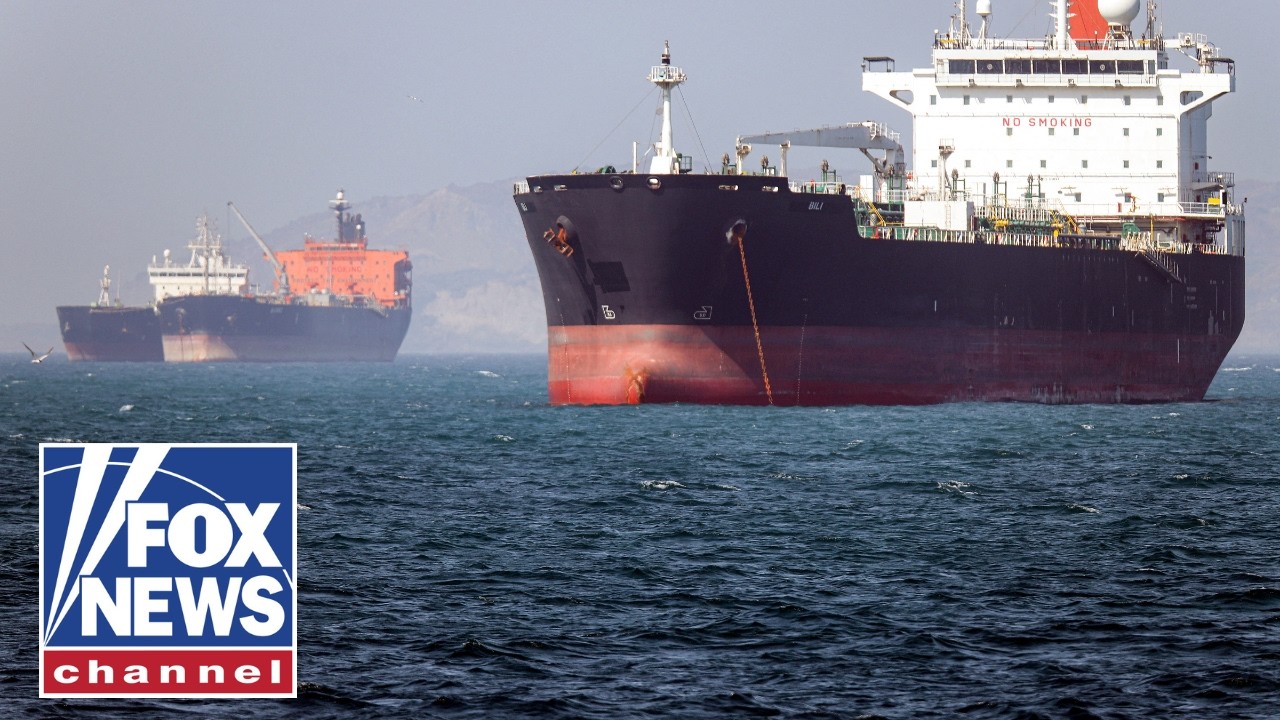
The situation between the United States under President Trump and Iran has indeed seen a significant uptick in tensions. At its core, Trump has issued a stark ultimatum: Iran must reopen the Strait of Hormuz, a critical global oil transit route, or face retaliatory strikes on its power infrastructure and bridges. This demand has been accompanied by particularly forceful rhetoric and a series of developments that indicate a volatile phase in their long-standing adversarial relationship.
Trump’s Ultimatum and Rhetoric
President Trump has made his stance on the Strait of Hormuz abundantly clear, framing it as a non-negotiable demand with serious consequences for non-compliance. This has been articulated through direct pronouncements and has set a specific, and at times, rapidly approaching deadline.
The Deadline and Its Evolution
Initially, reports indicated a very tight turnaround for Iran to comply with Trump’s demand to reopen the Strait of Hormuz. The post on Truth Social, specifying “Tuesday, 8 p.m. Eastern Time,” conveyed a sense of immediacy. This deadline appeared to be an extension of a prior ultimatum, with the initial 24-hour window being further pushed back by another day around April 5th. The precision of these deadlines, while seemingly tactical, also underscores the pointed nature of the US position and its expectation of swift action from Tehran. The brevity of these windows suggests a desire to force a decision and potentially limit the period of Iranian obstruction.
Forceful Language and Specific Targets
The language employed by President Trump has been notably severe. Descriptions include warnings of bombing Iran “back to the stone ages,” a phrase that implies a desire for a complete and utter dismantling of Iranian capabilities. Beyond generalized threats, specific targets have been mentioned. These include energy infrastructure, which naturally would have a profound impact on the daily lives of Iranian citizens. The Kharg Island oil facility, a critical hub for Iran’s oil exports, was specifically cited, as were desalination plants, essential for providing fresh water in a region often facing scarcity. The explicit mention of “living in Hell” and an expletive-filled rant demanding the “open the fin’ Strait” highlights the confrontational and unvarnished nature of his communication, aiming to convey extreme displeasure and a readiness to inflict significant damage.
Military Actions and Counteractions
The heightened tensions have not remained solely in the realm of rhetoric. There have been reported military actions and responses from both sides, indicating a potential escalation beyond verbal threats. These actions suggest that both the US and Iran are prepared to employ military force to achieve their objectives or to deter perceived aggression.
Strikes and Their Immediate Impact
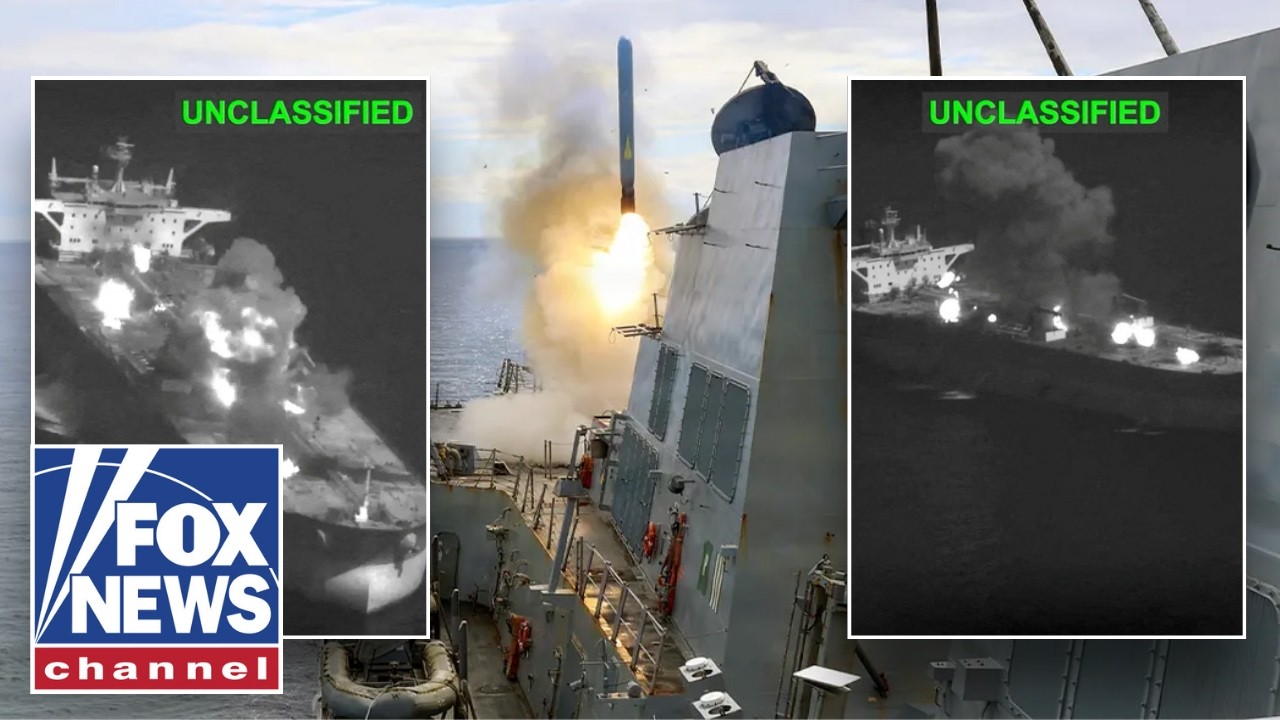
Reports emerged of joint US and Israeli strikes targeting Tehran, with the specific outcome being the disruption of electricity in the capital. The significance of such an action lies in its demonstrative nature and the immediate impact on an urban population. This kind of strike is designed to have a visible and palpable effect, serving as a direct message of capability and intent. The timing and targeting of such strikes are crucial tactical considerations, aiming to maximize disruption without necessarily leading to immediate, full-scale conflict.
Iranian Missile Fire and Information Gathering
In response to these actions, Iran did not shy away from demonstrating its retaliatory capabilities. The firing of ballistic missiles at Israel is a significant development, signaling a willingness to engage directly with a key US ally in the region. This is a direct escalation, moving beyond the immediate US-Iran dynamic to encompass regional players. Alongside this, the offering of a reward for information on a missing US pilot presents a different facet of Iran’s strategy – attempting to create domestic leverage or sow confusion while also perhaps signaling a willingness to engage on prisoner or pilot-related issues separately from broader geopolitical demands.
Crew Rescues and Operational Successes
On the other side of the coin, the confirmation of successful rescues for two US F-15E crew members shot down over Iran indicates successful US military operations, likely in response to Iranian actions or as part of ongoing defensive postures. These rescues demonstrate operational capabilities and a commitment to recovering personnel. The fact that these crew members were shot down over Iranian territory intrinsically links to the escalating conflict and suggests a potential engagement of air assets.
Diplomatic Maneuvers and Disagreements
Amidst the clear military posturing and vocal threats, there have also been indications of diplomatic efforts underway. These attempts to de-escalate or find a resolution through negotiation, however, appear to be complicated by differing interpretations and outright denials from various parties involved. The presence of multiple actors and the conflicting narratives make it challenging to ascertain the true state of diplomatic progress.
Mediating Nations and Direct Talks
Several countries have been reported to be involved in mediating efforts. Oman, for instance, has been mentioned as being in direct talks with Iran, suggesting a potential channel for communication that bypasses more direct and potentially confrontational dialogues. Pakistan and Egypt have also been identified as mediators, indicating a broader regional interest in preventing a full-blown conflict. The involvement of multiple nations underscores the significant geopolitical implications of the US-Iran standoff and the shared concern about its regional fallout.
Conflicting Claims of Progress
President Trump himself has claimed that there have been “productive talks.” He also suggested a postponement of attacks for a period of five days and stated that Iran had released 20 cargo ships. These are significant assertions of diplomatic success. However, these claims appear to be directly contradicted by Iranian officials. The speaker of the Iranian parliament, for example, has explicitly denied that any negotiations were taking place. This stark difference in narratives raises questions about the nature of any discussions, whether they are truly yielding concessions, or if they are being framed in a way that serves specific political objectives by those making the claims.
Iranian Responses and Counter-Strategies
Iran’s reaction to the escalating pressure from the United States has been a mixture of defiance, counter-threats, and a clear resolve to resist perceived aggression. Tehran’s responses indicate a strategic understanding of its own vulnerabilities and a determination to inflict costs on any aggressor.
Obstruction and Compensation Demands
Iran has counter-threatened to maintain the obstruction of the Strait of Hormuz until it receives compensation for what it views as unjust sanctions and hostile actions by the US. This positions Iran as a party seeking redress for perceived grievances, framing its actions not as unprovoked aggression, but as a defensive measure or a form of leverage to achieve its own terms. The demand for compensation suggests an underlying economic motivation driving Iran’s stance, tied to the impact of sanctions.
Vows of “Devastating” Retaliation
Beyond economic demands, Iran has also issued strong declarations of its readiness to retaliate militarily. The vow of “devastating” retaliation signals a commitment to inflicting significant damage on any aggressor. This is a clear deterrent strategy, intended to raise the perceived cost of any US or allied military action to an unacceptable level. This type of threat is a common tactic in international relations when a state feels cornered, aiming to shock an opponent into reconsidering its options.
Regional “Living HELL” Warning
The Iranian parliament speaker’s warning of the region “living HELL” from US actions is a direct echo of Trump’s own rhetoric, but from the opposing perspective. This indicates a mirroring of the confrontational tone and a projection of the potential consequences of continued US pressure. It suggests that if the US escalates, Iran is prepared to unleash a level of disruptive activity that would have widespread and severe repercussions across the Middle East. This highlights the interconnectedness of the region and the potential for any conflict to spill over.
Regional Impacts and Broader Implications
The ongoing tensions between the US and Iran have not been confined to their bilateral interactions. The conflict has already had a tangible impact on the broader Middle East, affecting trade, regional stability, and even the daily lives of citizens in neighboring countries. The implications extend beyond immediate military exchanges.
Extended Conflict and Border Closures
The conflict’s duration, now reportedly in its sixth week, signifies a prolonged period of heightened instability. This sustained engagement has led to practical consequences, such as Iraq closing a border crossing after an airstrike resulted in a citizen’s death. This demonstrates how the US-Iran friction can directly lead to incidents involving third countries and create humanitarian or logistical problems. The closure of a border crossing is not a minor event, as it disrupts trade, movement of people, and potentially essential supplies.
Long-Term Trade Disruptions
The acknowledgment that shipping resumption would take approximately two months post-ceasefire offers a stark look at the economic fallout. This is not just about immediate closure; it points to a significant and prolonged disruption of global supply chains, particularly for oil. The time required to normalize shipping indicates the scale of the damage or the complexity of securing the transit route, even after hostilities cease. This has ripple effects far beyond the immediate participants, influencing global energy prices and economic stability.
Strikes on Key Iranian Infrastructure
The hits on Iran’s nuclear site and petrochemical facility are direct targets designed to degrade Iran’s capabilities and potentially its ability to fund its activities. The nuclear site, in particular, carries immense global implications, raising concerns about proliferation and regional security. The petrochemical facility indicates a targeting of economic assets that are crucial to Iran’s revenue streams. These strikes suggest a strategy to cripple Iran’s capacity for both military and economic advancement, aiming to force a change in behavior through resource deprivation and degradation.
US Considerations on Uranium Seizure
The contemplation of an operation to seize Iran’s enriched uranium is a potentially game-changing move. It would represent a significant proactive step by the US to directly interdict Iran’s nuclear program, moving beyond defensive postures or retaliatory strikes. Such an operation would be highly complex and carry immense risks, but it also signals a seriousness in addressing Iran’s nuclear ambitions, potentially viewing it as an existential threat that requires direct intervention. This is a move that would undoubtedly escalate tensions to an extremely high level.
“Largely Achieved” Goals and Strategic Assessments
The statement from the US Secretary of State regarding the goals of degrading Iran’s military being “largely achieved” offers a US perspective on the effectiveness of their actions thus far. This assessment suggests that the US believes its current campaign of pressure and strikes has been successful in weakening Iran’s military posture. This is a crucial strategic calculation that likely informs decisions about further actions. If the US feels it has already achieved significant gains, it might influence their willingness to pursue further escalatory measures or to hold back and allow the current pressure to continue. However, it also leaves open the question of what “degrading” truly means and whether it has fundamentally altered Iran’s strategic calculus or its capacity for future aggression.
FAQs
What were the main factors contributing to the tensions between the US and Iran during the Trump era?
During the Trump era, tensions between the US and Iran were fueled by a range of factors, including Iran’s nuclear program, regional influence, and support for militant groups, as well as the US withdrawal from the Iran nuclear deal and the imposition of economic sanctions.
How did the US withdrawal from the Iran nuclear deal impact the tensions?
The US withdrawal from the Iran nuclear deal, officially known as the Joint Comprehensive Plan of Action (JCPOA), in 2018 significantly escalated tensions. The move led to the re-imposition of US sanctions on Iran, which had a severe impact on the Iranian economy and further strained relations between the two countries.
What were some of the key events that heightened tensions between the US and Iran during the Trump era?
Several events during the Trump era heightened tensions between the US and Iran, including the US airstrike that killed Iranian General Qasem Soleimani in January 2020, Iran’s downing of a US drone in June 2019, and attacks on oil tankers in the Gulf of Oman that the US blamed on Iran.
How did the Trump administration respond to Iran’s actions during this period?
The Trump administration responded to Iran’s actions with a “maximum pressure” campaign, which included the imposition of economic sanctions, the deployment of additional military forces to the region, and the targeting of Iranian-backed militias in Iraq and Syria.
What is the current status of US-Iran relations following the Trump era?
As of now, US-Iran relations remain tense, with both countries expressing a willingness to engage in diplomacy while also maintaining a firm stance on key issues such as Iran’s nuclear program and regional activities. The Biden administration has expressed a desire to re-engage with Iran diplomatically, but challenges remain in finding a path forward.


 One Place News