oneplacenews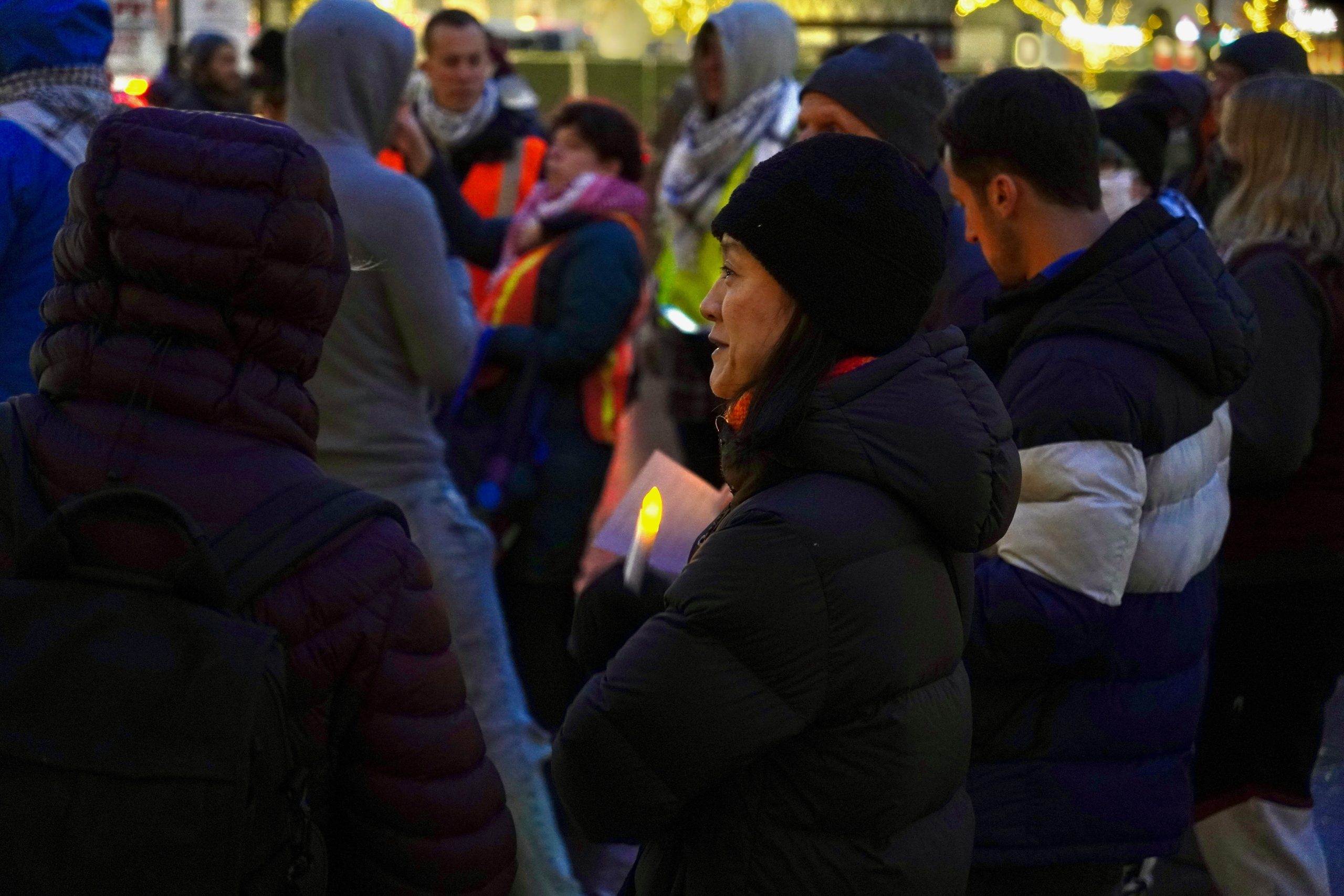
It’s a moment many have been waiting for, and the news is: yes, Israel has welcomed a ceasefire agreement with Hamas, but it’s certainly a sentiment colored by a good dose of ‘cautious optimism.’ This isn’t a case of popping champagne corks just yet. The agreement, which officially went into effect on October 10, 2025, is seen as a significant step, but the road ahead is viewed with a clear understanding of the complexities and challenges that remain.
The Deal on the Table
So, what exactly does this agreement entail? At its core, it’s about stopping the immediate violence and opening up crucial humanitarian pathways. This first phase of President Trump’s peace plan was designed to address the most pressing issues, specifically the release of hostages held by Hamas and the flow of desperately needed aid into Gaza. There’s a clear understanding that for every step taken, there will be a corresponding action, like the release of Palestinian prisoners in exchange for these hostages. The immediate goal is to bring some semblance of normalcy and relief to a population teetering on the brink of severe humanitarian crisis, with reports highlighting famine risks.
Key Components of the Agreement
- Hostage Release: The expectation is that Hamas will soon begin releasing hostages. This is a primary Israeli demand.
- Prisoner Exchange: In tandem with hostage releases, there’s an agreement for the release of dozens of Palestinian prisoners.
- Humanitarian Aid: A significant influx of humanitarian aid is planned for Gaza, aiming to alleviate immediate suffering and prevent further deterioration of the situation.
A Fragile Calm Descends
Since the ceasefire took effect, the region has experienced what can only be described as a ‘cautious calm.’ This isn’t the deep, settled peace of a resolved conflict, but rather a quiet that is being closely monitored. The sound of active fighting has subsided, creating a window of opportunity for the essential humanitarian efforts to begin. However, the effectiveness of this calm is still being assessed on the ground.
The Reality of Aid Delivery
While the agreement promises the entry of aid, the practicalities of getting it where it needs to go are proving challenging. Six hundred trucks are earmarked to enter Gaza, a number that sounds substantial. Yet, aid agencies on the front lines reported no immediate, significant increase in deliveries upon the ceasefire’s inception. This highlights the logistical hurdles and the specific demands that remain unaddressed for aid to truly reach the people who need it most.
Pledges vs. Practice
- Truck Numbers: The commitment for 600 trucks is a positive sign on paper.
- On-the-Ground Impact: Agencies are still waiting to see if these numbers translate into tangible aid reaching vulnerable populations.
- Ongoing Demands: Key requirements for effective aid delivery persist, including the need for open crossings, a consistent supply of fuel for operational needs, and crucial assurances for the safety and security of aid workers themselves. Without these, the current calm is precarious.
Echoes of Previous Attempts
It’s important to note that this isn’t the first attempt at bringing a halt to the hostilities. There was a preceding deal brokered on January 19, 2025, mediated by the United States, Qatar, and Egypt. That agreement also aimed for a ceasefire and a hostage-prisoner exchange and was met with a similar sentiment of ‘cautious optimism.’ This historical context adds to the current mood; past experiences have shown that agreements, no matter how well-intentioned, can be fraught with difficulties in their implementation.
Learning from the Past
The earlier deal provided a framework that included three distinct phases. These phases were intended to cover the full return of all hostages, a more comprehensive truce, the withdrawal of forces, and ultimately, the reconstruction of Gaza. The fact that these more ambitious goals were part of an earlier plan, and that concerns about Hamas regrouping persisted then, naturally casts a shadow of caution over the current agreement’s long-term prospects for these deeper objectives.
The Phased Approach
- Phase 1: Focused on immediate de-escalation and initial exchanges.
- Phase 2: Envisioned more comprehensive hostage return and a longer truce.
- Phase 3: Aimed at withdrawal and the immense task of rebuilding Gaza.
- Lingering Doubts: The concern that such agreements might inadvertently allow for the re-establishment and strengthening of Hamas’s infrastructure is a persistent worry that policymakers and the public are acutely aware of.
Reactions on the Ground
When the agreement was announced, there were visible signs of relief and hope. Celebrations, albeit tempered with realism, took place in places like Tel Aviv’s Hostages Square. This public reaction reflects a deep yearning for a cessation of conflict and the safe return of those held captive. It’s a visible manifestation of the human cost of the ongoing situation and the desire for a positive change.
A Mix of Emotions
The celebrations weren’t a wild, unrestrained outpouring of joy. Instead, they were marked by a sense that a critical threshold had been crossed, but the journey to true security and peace is far from over. This nuanced emotional response is a testament to the precariousness of the situation and the lingering anxieties that accompany any breakthrough in such a volatile environment.
Understanding the Public Sentiment
- Relief: A deep sigh of relief for the immediate halt to violence and the prospect of hostage returns.
- Hope: A renewed sense of hope that this ceasefire could lead to a more stable future.
- Apprehension: An underlying current of apprehension, given the history of failed agreements and ongoing challenges.
The Road Ahead: Challenges and Uncertainties
While the agreement is a positive development, it’s impossible to ignore the considerable challenges that lie ahead. The history of Israeli-Palestinian relations is littered with agreements that have faltered, and the current situation in Gaza is incredibly complex, with deep-seated issues that a ceasefire alone cannot resolve. This is why the optimism is so decidedly ‘cautious.’
What Needs to Happen Next
- Sustained Implementation: Both sides must adhere to the terms of the agreement consistently. Any violation, even a minor one, could unravel the fragile progress.
- Humanitarian Access: Ensuring that aid agencies can operate effectively and that aid reaches all populations in Gaza is paramount. This involves addressing the demands for open crossings and security.
- Political Will: The long-term success of any peace initiative hinges on sustained political will from all parties involved, as well as international support.
- Addressing Root Causes: While the ceasefire addresses immediate concerns, there’s a looming question of how to tackle the underlying issues that have fueled decades of conflict. This is where the ‘cautious’ aspect of optimism is most evident – the immediate steps are welcome, but the path to a lasting resolution is still largely uncharted.
The International Perspective
The international community has largely welcomed the ceasefire, recognizing its potential to alleviate humanitarian suffering and create a more stable environment in the region. However, this welcome is also infused with the same cautiousness. Global leaders understand that this is a critical juncture, and the success of this agreement will depend on diligent follow-up and a commitment to supporting a lasting peace process, not just a temporary cessation of hostilities. The focus will be on ensuring that the momentum generated by this agreement is not lost, and that it serves as a genuine springboard for more comprehensive peace efforts. The current tentative agreement to end fighting is a step, but the hard work of building a sustainable peace is what will truly test the optimism.
Looking Beyond the Ceasefire
- Reconstruction Efforts: The immense task of rebuilding Gaza will require significant international investment and coordination.
- Long-Term Security: Ensuring the security of both Israelis and Palestinians will necessitate addressing the fundamental drivers of conflict.
- Diplomatic Engagement: Continued and robust diplomatic efforts will be crucial to navigate the complex political landscape and achieve a comprehensive peace settlement. The current agreement, while a welcome development, is viewed as an essential but by no means final step in this protracted process.
FAQs
What is Israel’s reaction to the ceasefire?
Israel has agreed to a ceasefire with Hamas, ending 11 days of intense fighting in the Gaza Strip. The ceasefire was brokered by Egypt and came into effect on May 21, 2021.
What led to the ceasefire agreement?
The ceasefire agreement was reached after intense international pressure and diplomatic efforts. The United States, Egypt, and other international actors played a key role in brokering the ceasefire.
What are the terms of the ceasefire?
The terms of the ceasefire include a halt to all hostilities between Israel and Hamas, as well as an agreement to address the humanitarian crisis in Gaza. The ceasefire also includes a commitment to discuss the underlying issues that led to the recent conflict.
How has the Israeli government responded to the ceasefire?
The Israeli government has expressed a commitment to the ceasefire and has stated that it will work to ensure the security and safety of its citizens. Israeli Prime Minister Benjamin Netanyahu has also thanked the United States for its support in reaching the ceasefire agreement.
What are the next steps following the ceasefire?
Following the ceasefire, efforts are underway to provide humanitarian aid to the people of Gaza and to address the underlying issues that led to the recent conflict. The international community is also working to support efforts to rebuild and restore stability in the region.


 One Place News