
Stanford scientists discover the human brain may actually be two separate organs
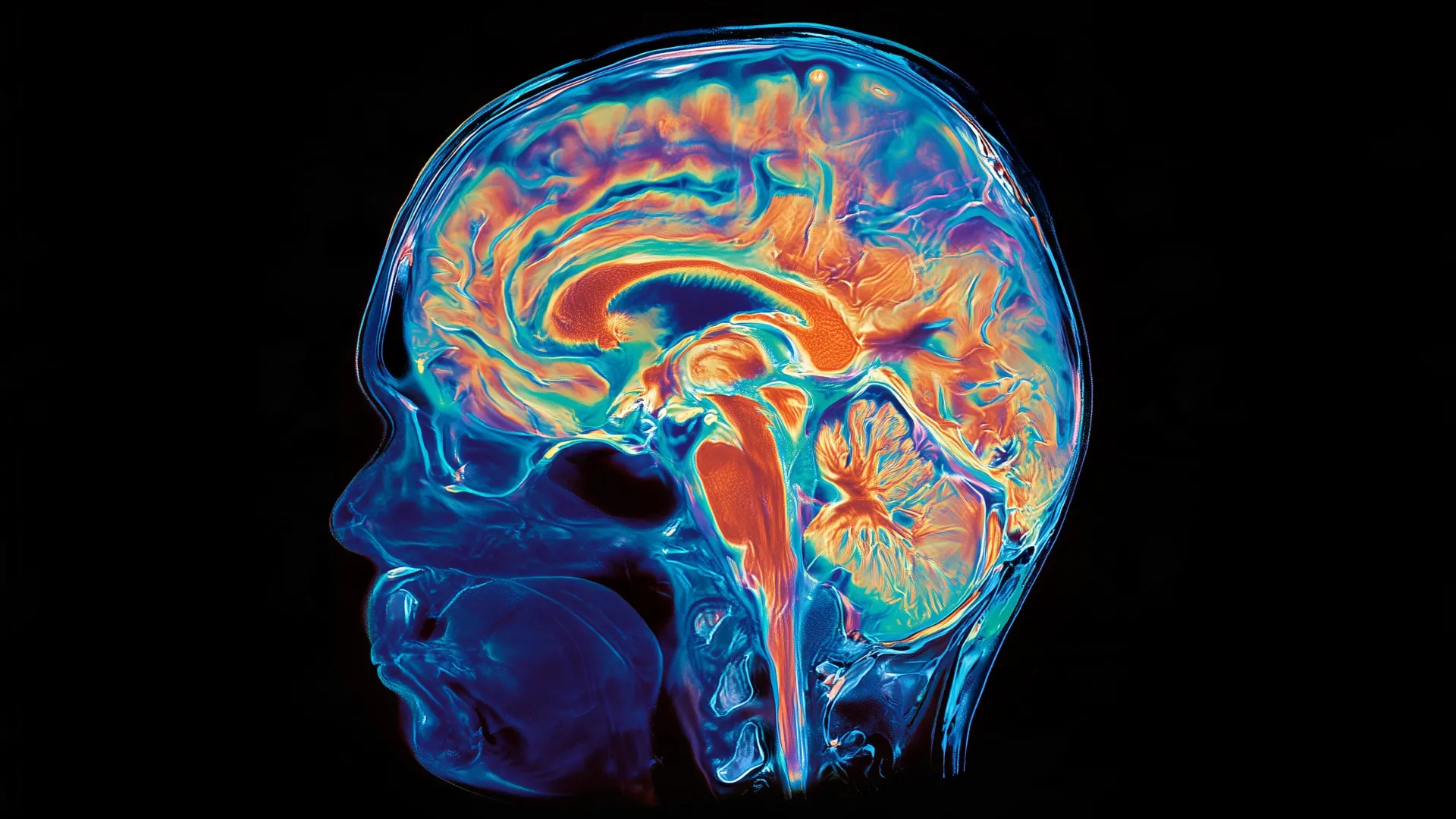
Scientists have found that the human brain develops from two distinct cellular systems, suggesting that evolution fused together two ancient nervous systems with very different jobs. The discovery also allowed researchers to grow human hindbrain neurons in the lab, opening new possibilities for studying ALS, spinal muscular atrophy, and other brainstem diseases. Scientists have long treated the brain as a single organ with a shared developmental origin. New research led by Stanford Medicine challenges that basic assumption, suggesting that what we call the brain is actually built from two distinct systems that arose separately over hundreds of millions of years of evolution. For decades, the dominant model held that the entire brain develops from one early progenitor cell population.
Under that view, the forebrain, midbrain, and hindbrain all trace back to the same developmental starting point. The new findings point to a very different picture. Researchers found that the human brain appears to combine two ancient nervous systems. One gives rise to structures responsible for essential functions such as breathing and controlling the heartbeat. The other produces regions associated with abilities such as language, mathematics, abstract thought, and reflection on our own existence. The discovery may also explain a long-standing problem in neuroscience: why researchers have had so
Source & Attribution
This One Place News story was acquired from sciencedaily.com. OPN retains the source link and provenance for newsroom review.
Filed Under
Health & Food