oneplacenews
It’s understandable to wonder if things are back to normal with the Strait of Hormuz. The short answer is, not quite yet. While there’s been a lot of diplomatic talk and efforts to get the waterway open again, the Strait of Hormuz is still largely shut down. Trade hasn’t fully resumed to its usual flow, and the focus right now is on finding diplomatic ways to resolve the situation rather than on a full reopening.
The Ongoing Uncertainty: More Than Just a Blip
The situation at the Strait of Hormuz isn’t a simple “closed” or “open” scenario at the moment. It’s more of a complex and worrying standstill. Think of it like a major highway that’s been blocked due to an unforeseen and persistent incident. While the authorities might be working on clearing it, the actual flow of traffic is severely restricted, and rerouting is proving difficult and costly. This isn’t a brief inconvenience; it’s a prolonged disruption that’s making waves across the global economy.
What Does “Largely Shut Down” Actually Mean?
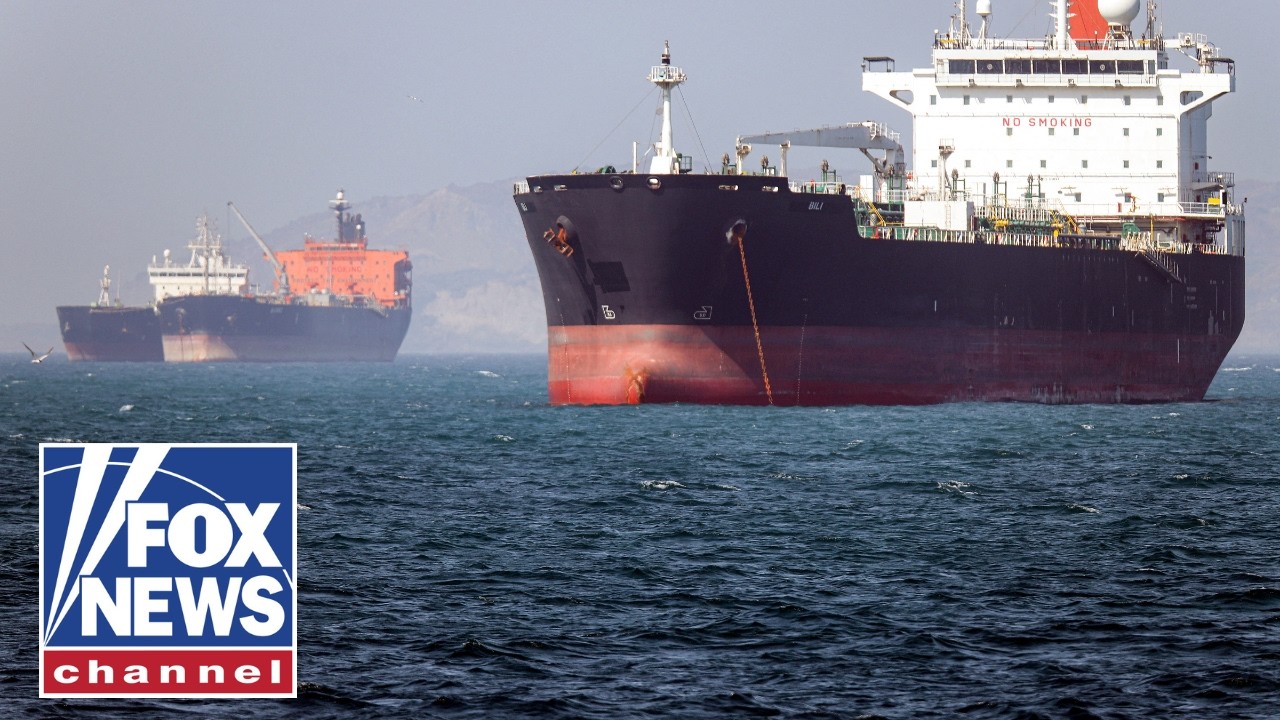
When we say the Strait is “largely shut down,” it means that the usual, steady stream of oil tankers and cargo ships that depend on this vital chokepoint is almost completely halted. While some very limited movement might be occurring under extreme caution or for specific, non-oil related traffic, the commercial reality is that the vast majority of the significant volume of trade that passes through here is not happening. It’s like a busy port where only a few small fishing boats are coming and going, while the large container ships and oil supertankers are anchored offshore, waiting.
Diplomatic Currents: The Push to Unblock the Strait
There’s been a significant international effort to get the Strait of Hormuz back to operating normally. This isn’t just about getting ships moving again; it’s about addressing a serious threat to global economic stability. The stakes are incredibly high, and many countries are involved in trying to find a solution.
The UK’s Initiative: A Global Call to Action
A key development was the virtual summit hosted by the UK in London around the beginning of April 2026. British Foreign Secretary Yvette Cooper brought together representatives from a substantial number of countries – around 35 to 40 or even more. The primary objective was to discuss concrete steps to reopen the Strait. The message from this gathering was clear: Iran’s actions were seen as a direct risk to the global economy, and the consequences, particularly rising oil prices, were unacceptable. This wasn’t just a casual chat; it was a focused, high-level discussion aimed at building a united front and exploring options.
The Context of Conflict: Why the Strait is Blocked
The closure of the Strait of Hormuz isn’t an isolated event. It’s directly linked to a period of heightened tension and direct conflict. Understanding this background is crucial to grasping the gravity of the situation and why a simple reopening isn’t easy.
A Month of Attacks: The Trigger for Disruption
The Strait has been largely impassable for over a month, dating back to late February 2026. This wasn’t a gradual slowdown; it was due to a series of alarming attacks. Reports indicate that at least 23 commercial vessels have been targeted. Tragically, these attacks have resulted in the deaths of 11 crew members, according to data compiled by Lloyd’s List Intelligence. This level of violence and loss of life is what made ships and their operators incredibly hesitant, and rightly so, to continue transiting the Strait. It’s a stark reminder of the human cost when vital trade routes become battlegrounds.
The US Position: A Different Approach
The United States has taken a distinct stance on the unfolding crisis at the Strait of Hormuz, which differs from the multilateral approach being pushed by some allies. This divergence in strategy has implications for how the situation might eventually be resolved.
Trump’s Call for Self-Reliance: Putting the Ball in Others’ Court
President Trump, in a notable address around the time of the UK summit, essentially urged countries that are heavily reliant on oil to take matters into their own hands. This suggests a reluctance from the US to be the primary actor in directly resolving the transit issues through the Strait. By encouraging oil-dependent nations to “act themselves,” the US is effectively signaling that the burden of securing these routes might fall more heavily on those who have the most to lose from their blockading. This could be interpreted as a move to leverage economic and political influence of certain regional powers.
No Participation in the UK Summit: A Strategic Distance
Crucially, the US did not participate in the UK-led virtual summit aimed at reopening the Strait. This absence from a significant international gathering highlights the US’s independent approach to the crisis. It suggests that while the US is closely monitoring the situation and its economic impacts, its preferred method of engagement or resolution might not align with the collective diplomacy being pursued by other nations. This can create complexities in building a unified international response, as key stakeholders are not at the same table.
Economic Repercussions: The Ripple Effect on Global Markets
The Strait of Hormuz is not just a geographical point; it’s an economic artery pumping vital fuel to the world. Its blockage has a domino effect, impacting economies far beyond the immediate region. The consequences are tangible and are being felt by consumers and businesses globally.
The Lifeline of Global Energy: 20% of World’s Oil and Gas
The sheer volume of energy that passes through the Strait of Hormuz is staggering. Under normal circumstances, it carries approximately 20% of the world’s total oil and natural gas supply. This means that any disruption here has an immediate and significant impact on global energy markets. Think of it as a critical valve in the world’s energy plumbing system. When that valve is shut, the flow stops, and the consequences are felt everywhere.
Halting Trade and Skyrocketing Prices: The Immediate Impact
The direct consequence of the Strait’s closure has been the halting of trade. Ships carrying essential commodities are either stuck or rerouted at significant cost. This scarcity, coupled with the ongoing demand for energy, has inevitably led to a sharp spike in prices. Consumers are likely seeing higher prices at the pump, and businesses are facing increased operational costs. This isn’t just an abstract economic phenomenon; it translates into real-world financial pressures for individuals and companies alike.
The Waiting Game: Ships Anchored and Unmoving
The physical reality of the Strait’s closure is evident in the large number of vessels waiting for passage. This image of ships tethered and unable to proceed paints a clear picture of the ongoing disruption.
Hundreds Queued: A Visual of the Stalemate
Reports indicate that approximately 400 vessels are reportedly queued outside the Strait. This is not a sign of a busy port or a temporary backlog. It’s a visual representation of a significant blockade, where ships are sitting idle, burning fuel, and incurring costs with no immediate prospect of transit. This large number of waiting ships is a powerful indicator that a full resumption of trade is not yet on the horizon. It underscores the persistence of the problem and the challenges in finding a swift resolution.
Future Outlook: What Lies Ahead?
Given the current situation, it’s natural to ask what the future holds. The reopening of the Strait of Hormuz is not a matter of simple logistics; it’s deeply intertwined with complex geopolitical dynamics and the resolution of ongoing conflicts.
The Race Against Time: Economic Pressures Mount
The longer the Strait remains closed, the greater the economic pressure will become. As oil prices continue to be volatile and supply chains are strained, there will be increasing calls for a decisive resolution. This economic reality might push various stakeholders to find more forceful diplomatic or even other types of solutions. The world economy can only absorb so much disruption before significant and potentially damaging structural changes occur.
The Role of Diplomacy and Potential Deadlines: A Complex Path Forward
The key to reopening the Strait lies in effective diplomacy. The UK-led summit is one piece of this puzzle, but broader international consensus and direct engagement with the parties involved will be crucial. There are also reports suggesting that deadlines have been set for Iran to reopen the strait, though the specifics and enforceability of such deadlines remain unclear. This suggests a potential escalation in pressure, but also highlights the delicate balancing act required. The path forward is likely to be complex, involving negotiations, potential concessions, and the ongoing risk of further escalation. The immediate focus remains on de-escalation and finding a peaceful resolution that allows for the safe passage of vessels and the resumption of global trade.
FAQs
What is the Strait of Hormuz?
The Strait of Hormuz is a narrow waterway located between the Persian Gulf and the Gulf of Oman. It is one of the most important strategic chokepoints in the world, through which a significant portion of the world’s oil supply is transported.
Why was the Strait of Hormuz closed?
The strait was closed due to heightened tensions in the region, particularly between Iran and the United States. This closure disrupted the flow of oil and other goods through the waterway, impacting global trade and energy markets.
How was the Strait of Hormuz reopened?
The strait was reopened after diplomatic efforts and negotiations between the involved parties. The exact details of the negotiations and agreements that led to the reopening have not been publicly disclosed.
What are the implications of the Strait of Hormuz reopening?
The reopening of the strait has eased concerns about potential disruptions to the global oil supply and has helped stabilize energy markets. It has also allowed for the resumption of normal maritime trade through the waterway.
What measures are being taken to prevent future closures of the Strait of Hormuz?
Efforts are being made to de-escalate tensions in the region and to promote diplomatic solutions to conflicts that could impact the strait. Additionally, some countries and organizations are exploring alternative routes for transporting oil and goods to reduce reliance on the strait.

 One Place News