oneplacenews
So, you’re wondering what’s happening with U.S. military operations right now, especially with talk of pauses and potential ground action. It’s a complex situation, but the short answer is: while some specific operations, like strikes on Iranian energy plants, have been temporarily halted, the broader military posture is shifting, and preparations for potential ground operations are underway. Think of it as a pause in one specific area while the bigger picture is being re-evaluated and other actions are being put into motion.
Why the Pause on Strikes?
President Trump announced an extension of the pause on striking Iranian energy plants. This wasn’t an arbitrary decision; it came at Iran’s request, following an initial five-day halt. The reasoning given is that talks are “going very well,” with a specific 15-point U.S. peace proposal on the table.
The Diplomatic Angle
This pause suggests a period of intense diplomatic engagement. The idea of a peace proposal, particularly a detailed 15-point one, points towards a structured effort to de-escalate and find a resolution. Whether this translates into lasting peace is, of course, the big question, but for now, the diplomatic channel is being kept open and prioritized.
Iran’s Role in the Pause
It’s significant that the pause was initiated at Iran’s request. This indicates a level of willingness from their side to engage in discussions, at least to a certain extent. The extension further underscores this. It’s a delicate dance, where each move is being closely watched.
Preparing for the Unthinkable: Ground Operations
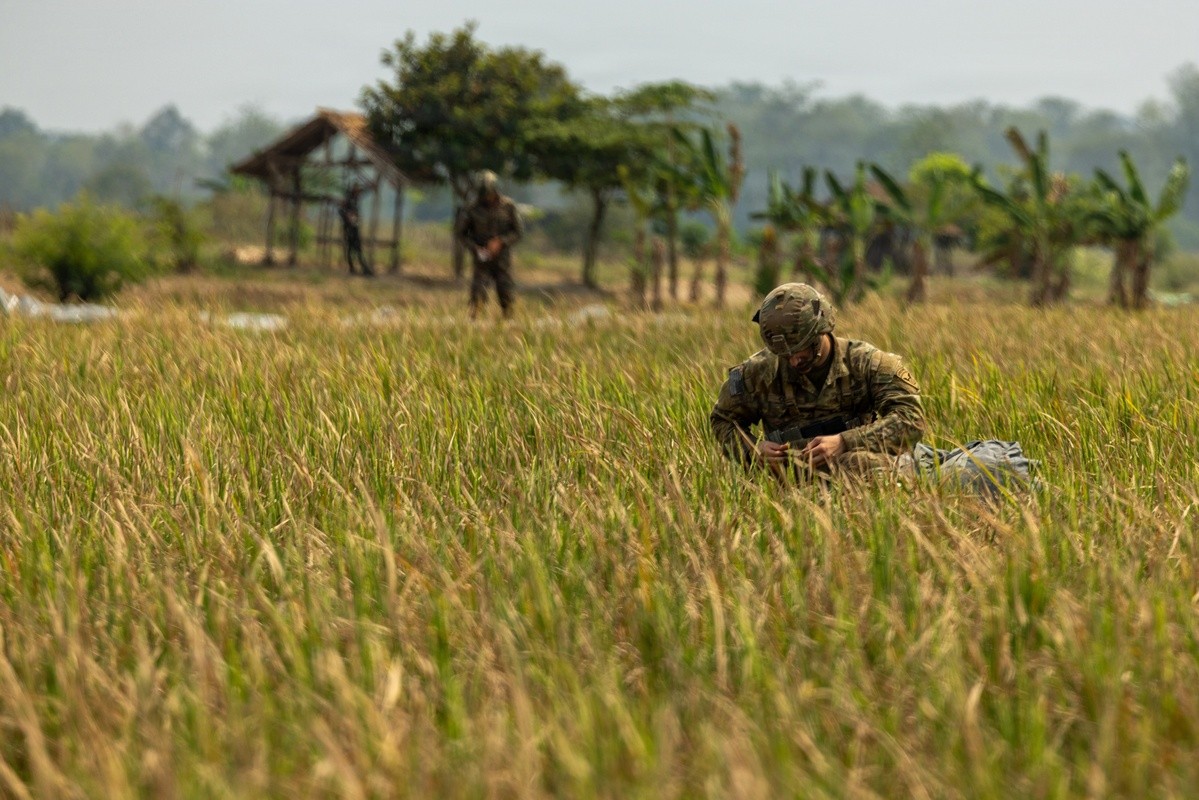
While diplomacy is happening, the Pentagon isn’t just sitting on its hands. There are reports of serious preparations for ground operations, potentially lasting weeks. This isn’t a full-scale invasion being planned at this moment, but rather more targeted raids involving special operations forces and infantry.
Why the Need for Ground Forces?
The escalating conflict has likely necessitated this contingency planning. When diplomatic options aren’t fully conclusive, or when there are immediate security concerns, having a ground force ready becomes crucial. The objective appears to be maintaining pressure and having options beyond air or naval power.
What Kind of Ground Operations?
The emphasis seems to be on raids and specific missions, rather than occupying large swathes of territory. This could involve anything from intelligence gathering and hostage rescue to disrupting specific threats. Special operations units are trained for these kinds of precise, high-stakes missions.
The Arrival of the USS Tripoli
A concrete indicator of this readiness is the arrival of the USS Tripoli. This amphibious assault ship is a significant asset, carrying 2,200 Marines. Their presence further signals a preparedness for ground-based actions, reinforcing the idea that the U.S. military is hedging its bets and has multiple scenarios accounted for.
Beyond the Tripoli
The deployment of the USS Tripoli isn’t an isolated event. Thousands more troops are reportedly being deployed. This broad deployment suggests a comprehensive approach, ensuring sufficient manpower and resources are available if ground operations are indeed initiated.
Successful Rescue Operations Highlight Special Forces Prowess
Amidst the escalating tensions, there have been successful operations that showcase the capabilities of U.S. special forces. Specifically, elite units rescued two U.S. airmen after their F-15E jet was shot down.
The “No-Fail” Mandate
Secretary Hegseth detailed the nature of these operations, emphasizing their “no-fail” status. This highlights the immense pressure and the importance placed on retrieving downed aircrews. The risk involved in such missions is considerable, making their success even more notable.
President Trump’s Acknowledgment
President Trump publicly hailed the second rescue, which occurred on April 5-6. This public acknowledgment serves multiple purposes: it boosts morale, signals resolve to adversaries, and assures the public of the government’s commitment to its personnel.
What This Means in the Larger Context
These rescue missions, while specific incidents, demonstrate the existing operational capacity and readiness of elite units. It shows that even in a tense and potentially hostile environment, the U.S. military can execute complex operations effectively. This capability underpins the confidence in planning for other potential ground operations.
The Shadow of Ongoing Strikes and Tensions
It’s crucial to remember that the pause on certain strikes doesn’t mean the overall conflict has ceased. There are still ongoing strikes and significant tensions in the region.
Israeli Actions
Israel has been striking infrastructure in Tehran. This indicates that the conflict is not confined to direct U.S.-Iran confrontations but involves regional actors with their own security interests and involvements.
Iranian Retaliation
Iran has responded by targeting U.S. sites in Bahrain, Israel, and Saudi Arabia. The fact that 15 U.S. troops were wounded in these attacks underscores the direct and dangerous nature of these exchanges. This is not a distant conflict; it has tangible consequences for U.S. personnel.
Impact on Global Markets
The rising oil prices are a clear indicator of how these tensions affect the global economy. The Strait of Hormuz, a vital shipping lane, remains a point of concern, and President Trump’s warnings to Iran regarding its control highlight the strategic importance and the potential for further escalation with significant economic ramifications.
Calls for a More Direct U.S. Presence
Within the U.S., there are voices advocating for a more assertive stance, including the potential deployment of “boots on the ground” in Iran. A congressman has explicitly stated that U.S. troops “may be required” in Iran amid the ongoing conflict.
Shifting Public and Political Discourse
Such statements reflect a segment of the political landscape that believes a stronger military presence is necessary to deter aggression or achieve strategic objectives. This adds another layer to the decision-making process, as domestic political considerations inevitably influence foreign policy.
The Debate Over Escalation
This call for boots on the ground highlights the broader debate about whether the current approach is sufficient or if a more direct military intervention is warranted. It’s a discussion that carries significant implications for the scale and nature of any future U.S. military involvement.
What Comes After the Pause?
The situation is fluid, and predicting the exact future is impossible. However, we can infer some likely directions based on the information available.
Continued Diplomatic Efforts
The current pause on energy plant strikes, driven by diplomatic talks and a peace proposal, suggests that efforts to resolve the situation through negotiation will continue. The success of these talks will dictate whether the pause is temporary or leads to a more lasting de-escalation.
Enhanced Readiness and Deterrence
Even if diplomacy succeeds, the preparations for ground operations and the ongoing heightened military posture indicate a focus on deterrence. The U.S. military is likely to maintain a strong presence and readiness to respond to any signs of aggression.
The Potential for Targeted Action
If diplomatic avenues fail or if new threats emerge, the preparations for raids and special operations suggest a willingness to engage in targeted military actions rather than broad, sweeping invasions. This approach aims to address specific threats with minimal collateral damage and, it’s hoped, avoid protracted conflicts.
The Unpredictability of Regional Dynamics
It’s essential to acknowledge that the region is highly dynamic. Actions by other regional powers, unforeseen events, or changes in the political climate in either Iran or the U.S. can quickly alter the trajectory of events. The presence of various actors means that a simple U.S.-Iran interpretation is insufficient.
Balancing Diplomacy and Military Strength
The current strategy appears to be a delicate balancing act between pursuing diplomatic solutions and maintaining robust military capabilities. The pause in certain offensive actions, coupled with preparations for defensive and offensive ground maneuvers, illustrates this dual approach. The coming weeks will likely reveal whether this balance is effective in navigating the current challenges.
FAQs
What is the current status of U.S. military operations?
The U.S. military has paused its operations in order to conduct a review of its security measures and protocols.
Why have U.S. military operations been paused?
The pause in U.S. military operations is a response to recent security incidents and concerns, including the attack on a military base in Iraq.
How long will the pause in U.S. military operations last?
The duration of the pause in U.S. military operations is currently unspecified, as it will depend on the outcome of the security review and any necessary adjustments to protocols.
What impact does the pause in U.S. military operations have on ongoing missions?
The pause in U.S. military operations may impact ongoing missions, as it allows for a reassessment of security measures and potential adjustments to operational plans.
What measures are being taken during the pause in U.S. military operations?
During the pause in U.S. military operations, the military is conducting a review of security measures and protocols, as well as assessing any potential threats to personnel and assets.


 One Place News