oneplacenews
So, you’re wondering about where things stand with Iran and their nuclear program, specifically what the deal, or lack thereof, is all about? It’s a complex web, and frankly, there’s no simple answer because the situation keeps shifting. Think of it less like a static chessboard and more like a dynamic game of chess where the board itself might change mid-play. Let’s break down the context and the hurdles that have made reaching any kind of lasting agreement so tough.
The Shifting Sands: Where We Are Now
The core of the issue is Iran’s nuclear program and the international community’s concern that it could be weaponized. For years, a lot of effort has gone into finding a way to ensure it remains peaceful, primarily through negotiations. However, as of my last update, things took a pretty dramatic turn.
A Critical Juncture (February 2026)
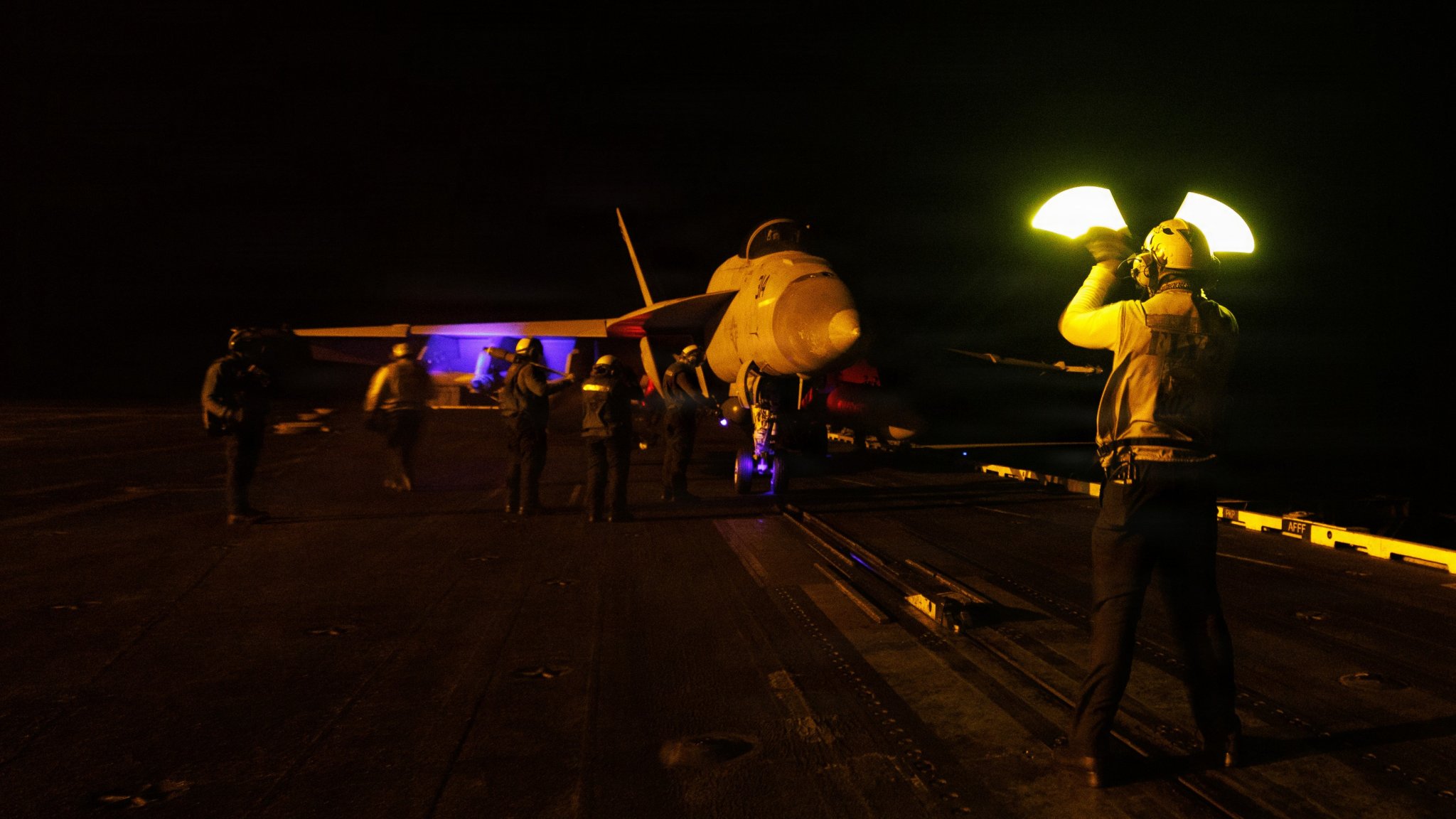
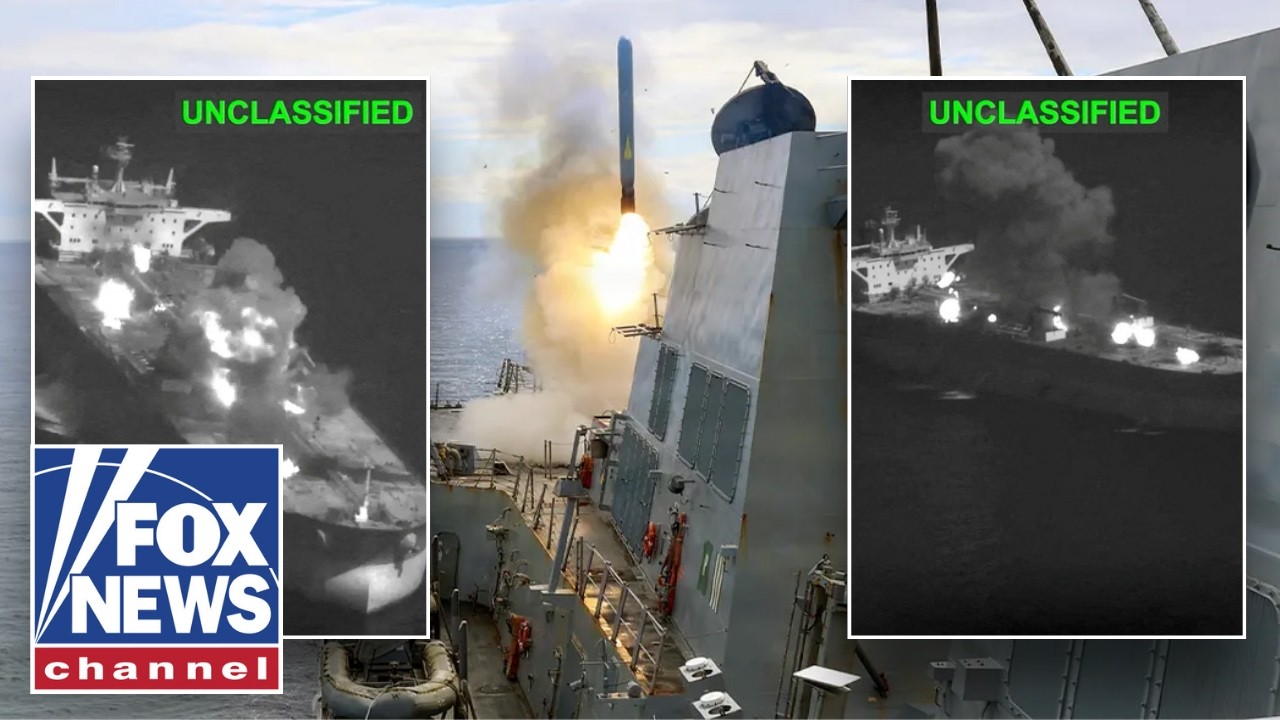
Negotiations that looked like they were building towards something significant in early 2026, with intermediaries like Oman trying to bridge the gap, ultimately hit a wall. U.S. officials and their Iranian counterparts met, and there was talk of substantial progress. However, from the U.S. perspective, the proposed terms just didn’t go far enough. This led to a pretty significant escalation: U.S. and Israeli forces carried out strikes targeting Iran’s nuclear infrastructure. Sites that had been previously damaged or were key to Iran’s nuclear fuel cycle were hit. The idea was clearly to degrade Iran’s nuclear capabilities directly, rather than waiting for a diplomatic solution that wasn’t materializing.
The Demands and the Disagreements
What exactly was being discussed, and why did it fall apart? The demands on the table were, to put it mildly, ambitious.
U.S. Maximalist Stance
The U.S. position, particularly under President Trump, was pretty clear: they wanted Iran to have no enrichment capabilities whatsoever. This meant dismantling facilities, removing existing enriched uranium, and significant curbs not just on the nuclear program itself, but also on Iran’s ballistic missile program and its regional proxies, which are seen as integral to its overall security posture. Essentially, it was a demand for a near complete rollback of Iran’s capabilities and influence.
Iran’s Response and Proposals
Iran, on the other hand, had its own set of proposals, but these were often criticized for a lack of detail regarding the sequencing of any dismantling or monitoring. Crucially, they weren’t seen as sufficiently restrictive to prevent a path towards weaponization. Iran has consistently maintained that its nuclear program is for peaceful purposes, but proving that definitively to the satisfaction of all parties has been a constant challenge. Their position often leans towards what they see as their sovereign right to nuclear technology for peaceful means, and they’ve pushed back hard against what they perceive as unreasonable demands.
The Snapback Leverage and Its Expiration
For a while, a key piece of negotiating leverage was the UN Security Council’s “snapback” sanctions mechanism. This was a way to re-impose UN sanctions if Iran violated agreements.
The October 2025 Deadline
The snapback mechanism had a crucial expiration date in October 2025. Before this, the European trio (E3 – France, Germany, and the UK) had invoked it. They saw it as a way to put pressure on Iran to come to the table and agree to a verifiable deal. The hope was that Iran would see the writing on the wall and agree to terms to avoid the reimposition of these significant sanctions.
Iran’s Dismissal of Zero-Enrichment
However, from Iran’s perspective, the idea of “zero-enrichment” was often dismissed as unrealistic or even insulting, sometimes colloquially termed a “joke.” They argued that enrichment was a fundamental aspect of peaceful nuclear technology and that demanding its complete cessation was an overreach. They signaled a willingness for direct talks, but on terms that acknowledged their right to pursue nuclear technology for civilian purposes. This difference in fundamental understanding about enrichment rights has been a persistent sticking point.
The War and Its Fallout (March-April 2026)
The strikes in late February 2026 significantly altered the landscape. It wasn’t diplomacy that prevailed, but military action.
A Return to the Negotiating Table?
After the initial wave of strikes, President Trump announced a return to talks. This might seem contradictory, but the idea was that the military action had supposedly degraded Iran’s capabilities to a point where they might be more amenable to U.S. demands. However, this wasn’t a sign of de-escalation in terms of demands.
New Demands, Same Stalemate
The U.S. laid out a new set of 15 demands, transmitted via Pakistan, which is often used as an intermediary. These demands reiterated the core issues: no nuclear weapons, a handover of enriched uranium, and significant limitations on ballistic missiles and proxies. Iran’s response, however, was reportedly a categorical “maximum no.” This highlights the stark reality of the situation: despite the military pressure, the fundamental gaps in understanding and objectives remained vast. There was little agreement on even the basic building blocks of any potential deal.
The Ongoing Degradation and Regional Concerns
The military campaign, while ongoing, aims to achieve what diplomacy couldn’t.
Degraded Infrastructure, Weakened Influence
The U.S. and Israeli forces have been systematically targeting Iran’s nuclear program, its missile capabilities, its navy, drone program, and proxies. Reports indicate the sinking of a considerable number of naval vessels and damage to other key military assets. The International Atomic Energy Agency (IAEA) had, prior to the strikes, not seen evidence of a structured program geared towards weaponization, but the current actions are pre-emptively addressing any potential future development.
Seeds of Instability
This military pressure is happening in a wider context of regional shifts. Israel, for instance, has faced its own setbacks in the region, including the overthrow of the Assad regime in Syria in late 2024, which had been a key ally. The weakening of Iran’s “Axis of Resistance” – its network of allied paramilitary groups across the region – is a deliberate consequence of these actions. However, such interventions also carry inherent risks of broader instability and unintended consequences. The concerns about proliferation, while driving the initial actions, are now intertwined with the potential for a more chaotic regional environment.
The European Position and Future Pathways
While the U.S. and Iran have been at loggerheads, other international players have tried to steer things differently.
Europe’s Push for Direct Talks
European nations have consistently advocated for direct dialogue between the U.S. and Iran. They generally believe that sustained, direct diplomatic engagement is the most viable path to a stable resolution, even if it’s a difficult one.
The UNSCR 2231 Card
An offer tied to the extension of UN Security Council Resolution 2231, which had been instrumental in the original Iran nuclear deal (JCPOA), has been on the table in various forms. This resolution outlines restrictions on Iran’s nuclear program and missile development. The idea of extending or modifying its provisions, perhaps in exchange for verifiable concessions from Iran and a lifting of some sanctions, has been a key point of discussion for European diplomats hoping to revive some semblance of a diplomatic framework. However, with the current military actions, the relevance and viability of such diplomatic pathways are in serious doubt.
Conclusion: A Long Road Ahead
Navigating the Iran nuclear negotiations is a constantly evolving challenge. The core issues – enrichment rights, verifiable peaceful use, and regional security concerns – remain deeply entrenched. The breakdown of talks in early 2026 and the subsequent military actions have injected a new, more volatile dimension into the situation. While diplomatic channels are always a possibility, the recent events suggest that the path to a stable, mutually agreeable solution is more fraught than ever, with the immediate future appearing to be dictated by military rather than diplomatic outcomes.
FAQs
What is the current status of Iran’s nuclear program?
As of [current year], Iran has continued to enrich uranium and has expanded its nuclear program, despite international efforts to curb its nuclear activities. The International Atomic Energy Agency (IAEA) has reported that Iran has exceeded the limits set by the 2015 nuclear deal, known as the Joint Comprehensive Plan of Action (JCPOA).
What is the Joint Comprehensive Plan of Action (JCPOA)?
The JCPOA, commonly referred to as the Iran nuclear deal, was an agreement reached in 2015 between Iran and the P5+1 countries (United States, United Kingdom, France, Russia, China, and Germany). The deal aimed to limit Iran’s nuclear activities in exchange for sanctions relief. However, in 2018, the United States withdrew from the agreement, leading to increased tensions and uncertainty surrounding Iran’s nuclear program.
What are the key issues in the current negotiations with Iran?
The key issues in the current negotiations with Iran revolve around the potential revival of the JCPOA and the terms under which Iran would limit its nuclear activities in exchange for sanctions relief. Other issues include addressing Iran’s ballistic missile program and its regional activities, which have been a source of concern for the international community.
What are the concerns surrounding Iran’s nuclear program?
The concerns surrounding Iran’s nuclear program stem from the potential for Iran to develop nuclear weapons, which could destabilize the region and pose a threat to global security. Iran has consistently denied seeking nuclear weapons and maintains that its nuclear program is for peaceful purposes, such as energy production and medical research.
What are the potential implications of the negotiations with Iran?
The potential implications of the negotiations with Iran are significant, as a successful agreement could lead to the reinstatement of the JCPOA and the easing of sanctions on Iran. This could have far-reaching effects on regional stability, global energy markets, and diplomatic relations between Iran and the international community. Conversely, a failure to reach an agreement could lead to further escalation of tensions and potential military action.

 One Place News