oneplacenews
So, what does lifting Iran sanctions mean for the global economy? In a nutshell, if the US decides to lift sanctions on Iranian oil, we could see a pretty swift impact on global oil prices and supply, especially benefiting oil-importing nations. It’s not a silver bullet, but it’s a significant lever. But let’s be real, the current situation is complex, with ongoing “maximum pressure” from the US and no broad relief actually announced yet. We’re talking more about potential scenarios and historical insights than an immediate, sweeping change.
The Oil Factor: A Game Changer for Global Supply?
When we talk about Iran sanctions, oil is often the first thing that comes to mind, and for good reason. Iran has a lot of it, and a significant chunk of it is currently “stranded” – meaning it can’t easily get to global markets due to sanctions.
Unlocking Stranded Oil
Energy Secretary Chris Wright recently hinted that the US is thinking about lifting sanctions on this stranded Iranian oil. Why now? Global supply pressures are mounting, oil prices are climbing, and disruptions, like those in the Strait of Hormuz, don’t help. If this oil hits the market, we’re talking about a quick turnaround, potentially reaching Asian markets in just three to four days. This isn’t just a minor blip; it’s a potential influx of supply that could seriously ease some of the current market tightness.
Price Impact for Consumers
The World Bank’s modeling, looking at historical sanctions relief, gives us a good idea of what could happen. If similar sanctions were lifted, especially on oil, we could see a significant drop in global oil prices – think around 13%. That’s a big deal. For countries that import a lot of oil, like the US, EU, and even Israel, this translates directly to lower prices at the pump and reduced energy costs for businesses. It’s essentially a bit of breathing room for their economies.
Who Wins and Who Loses?
Of course, not everyone benefits equally. While oil importers celebrate, oil-exporting nations, particularly OPEC members and Russia, might see their revenues dip. A 13% drop in global oil prices isn’t something they’d welcome, especially if they’re relying on higher prices to fund their budgets. It creates a dynamic shift in the global energy landscape.
A Look at Iran’s Economy: Beyond Just Oil
While oil is a major piece of the puzzle, sanctions relief isn’t just about crude. It has broader implications for Iran’s own economy and its ability to participate in international trade.
Boost to Iran’s Welfare
The World Bank’s analysis also showed that lifting sanctions could significantly boost Iran’s per capita welfare – around 3.7%. This isn’t just about selling more oil; it’s about broader economic liberalization. Removing barriers to trade, such as the EU oil embargo or restrictions on service sectors, allows Iran to better utilize its resources and integrate with the global economy. For the average Iranian, this could mean more opportunities and a better standard of living.
Reintegrating into Global Markets
Imagine a country that’s been largely cut off from mainstream global financial systems and trade routes. Sanctions relief means Iran could start selling not just oil, but also other goods and services more freely. Its businesses could, in theory, access international finance, technology, and partnerships that have been out of reach for years. This re-integration slowly but surely changes the dynamics of trade in the region.
The US Maximum Pressure Campaign: A Persistent Reality
It’s crucial to remember that we’re talking about hypotheticals and historical analyses because, right now, the US “maximum pressure” campaign is very much active and ongoing. This isn’t just a term; it translates into concrete actions.
Ongoing Sanctions and Enforcement
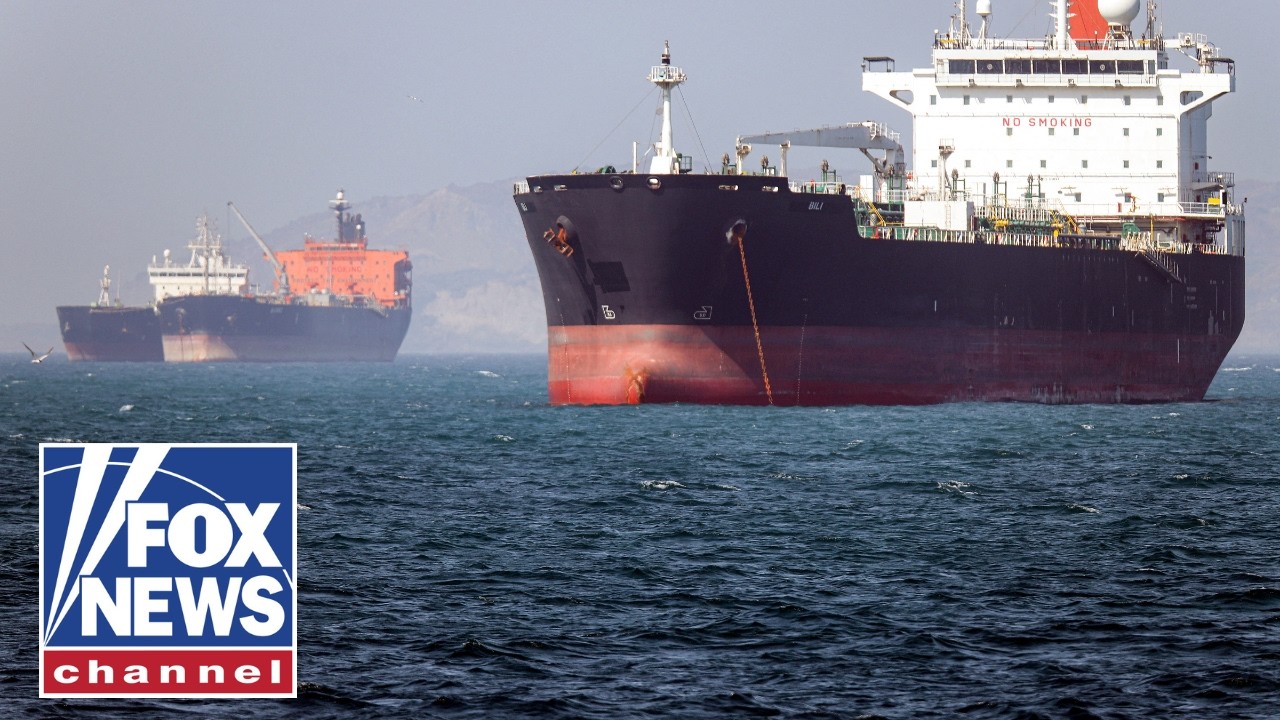
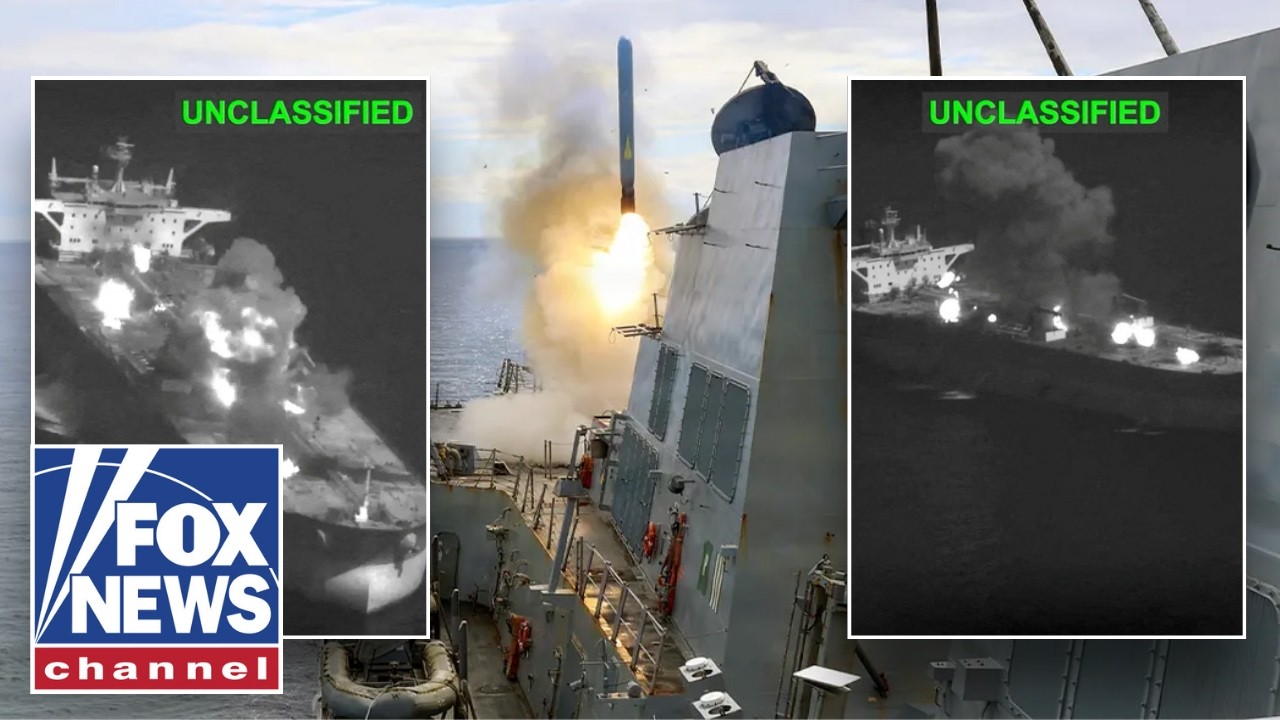
The Treasury Department continues to sanction entities, individuals, and vessels involved in various aspects of Iran’s economy and military programs. We’re talking about things like Iran’s “shadow fleet” – the ships used to bypass sanctions for petroleum sales, its ballistic missile programs, and other activities deemed problematic by the US. These sanctions leverage executive orders like 13902 and are a clear signal of the US’s commitment to pressure Iran.
Targeting Specific Sectors
These sanctions aren’t just broad strokes, they’re often highly targeted. For example, focusing on the shadow fleet directly impacts Iran’s ability to export oil even if there’s any wiggle room. Sanctioning entities involved in ballistic missile programs aims to curb Iran’s military ambitions. This consistent pressure means that even if there’s talk of some relief, the overall environment remains challenging for Iran.
The Current Sanctions Framework: No Broad Relief Announced
Despite all the talk and analysis of what if, the current reality is that there hasn’t been any widespread lifting of sanctions. The framework put in place by the Office of Foreign Assets Control (OFAC) is still largely intact.
OFAC’s Stance
OFAC continues to maintain broad sanctions against Iran. We’re still operating under the reimposition of sanctions like those under E.O. 13846, which was a significant move. While there are some general licenses for specific, limited humanitarian trade – things like food, medicine, and medical devices – these are carefully carved-out exceptions and don’t represent a broad opening for business.
Why the Cautious Approach?
The lack of broad relief isn’t just bureaucratic inertia. It reflects the complex geopolitical considerations at play. There are concerns about Iran’s nuclear program, its regional activities, and human rights. Any move towards widespread sanctions relief would likely be tied to clear concessions or shifts in behavior from Iran, and those discussions are always fraught with challenges.
Broader Economic Impacts: Beyond Oil Prices
While oil prices get a lot of attention, sanctions relief – or the lack thereof – has wider ripples through the global economy.
Geopolitical Stability
A stable and engaged Iran, integrated into the global economy, could contribute to greater regional stability. Conversely, an isolated and heavily sanctioned Iran can be seen as a source of instability. The economic levers of sanctions are not just about money; they’re also tools of foreign policy aimed at influencing behavior. Any major shift in sanctions policy would have significant geopolitical implications, potentially altering alliances and rivalries in the Middle East and beyond.
Investment Opportunities (or Lack Thereof)
For multinational corporations, changes in sanctions mean either potential new markets or continued restrictions. If sanctions are lifted, Iran could become an attractive, albeit challenging, market for foreign direct investment. Imagine the demand for infrastructure, technology, and consumer goods in a country that has been starved of capital and modern imports for years. However, as long as the current “maximum pressure” framework is in place, the risks for most legitimate foreign businesses trying to enter Iran remain exceptionally high.
Shipping and Logistics
The Strait of Hormuz is a vital chokepoint for global oil shipments. Any disruptions there, as Energy Secretary Wright mentioned, have immediate feedback loops on oil prices. If Iranian oil can flow freely, and if relations with Iran improve, it could potentially ease tensions and reduce risks in key shipping lanes. Conversely, continued sanctions and heightened tensions contribute to instability and higher shipping costs, impacting global supply chains.
In Conclusion
So, what does it all boil down to? The potential lifting of sanctions on Iranian oil could offer a significant, albeit targeted, boost to global oil supply and a meaningful reduction in prices, especially benefiting importing nations. It also holds the promise of improving Iran’s own economic welfare.
However, it’s crucial to keep a grounded perspective. We’re currently in a landscape of persistent “maximum pressure” from the US, with no broad sanctions relief actively announced. The ongoing sanctions target a wide range of Iranian activities, and OFAC maintains a tight grip on what’s allowed. While the prospect of Iranian oil re-entering the market is a powerful one, the reality on the ground is that the road to comprehensive sanctions relief is still complex and politically charged. It’s a situation where we need to watch not just the statements, but the actual policy shifts.
FAQs
What are Iran sanctions relief?
Iran sanctions relief refers to the easing or lifting of economic sanctions imposed on Iran by the United States and other countries. These sanctions were put in place to pressure Iran to limit its nuclear program and comply with international agreements.
When did Iran sanctions relief occur?
Iran sanctions relief occurred in January 2016 when the International Atomic Energy Agency (IAEA) verified that Iran had fulfilled its commitments under the nuclear agreement known as the Joint Comprehensive Plan of Action (JCPOA). As a result, the United States, European Union, and United Nations lifted certain sanctions on Iran.
What were the impacts of Iran sanctions relief?
The lifting of sanctions allowed Iran to rejoin the global economy, access previously frozen assets, and resume oil exports. It also opened up opportunities for foreign investment in Iran’s economy. However, the reimposition of sanctions in 2018 had a significant impact on Iran’s economy, leading to a decline in foreign investment and trade.
Why were Iran sanctions relief controversial?
Iran sanctions relief was controversial because it was seen as a concession to Iran without addressing other concerns such as Iran’s support for militant groups and its ballistic missile program. Critics argued that the relief would provide Iran with resources to further its destabilizing activities in the region.
What is the current status of Iran sanctions relief?
The current status of Iran sanctions relief is complex. In 2018, the United States withdrew from the JCPOA and reimposed sanctions on Iran, including those related to its oil exports and financial transactions. As a result, Iran’s economy has faced significant challenges, and the future of sanctions relief remains uncertain.

 One Place News