oneplacenews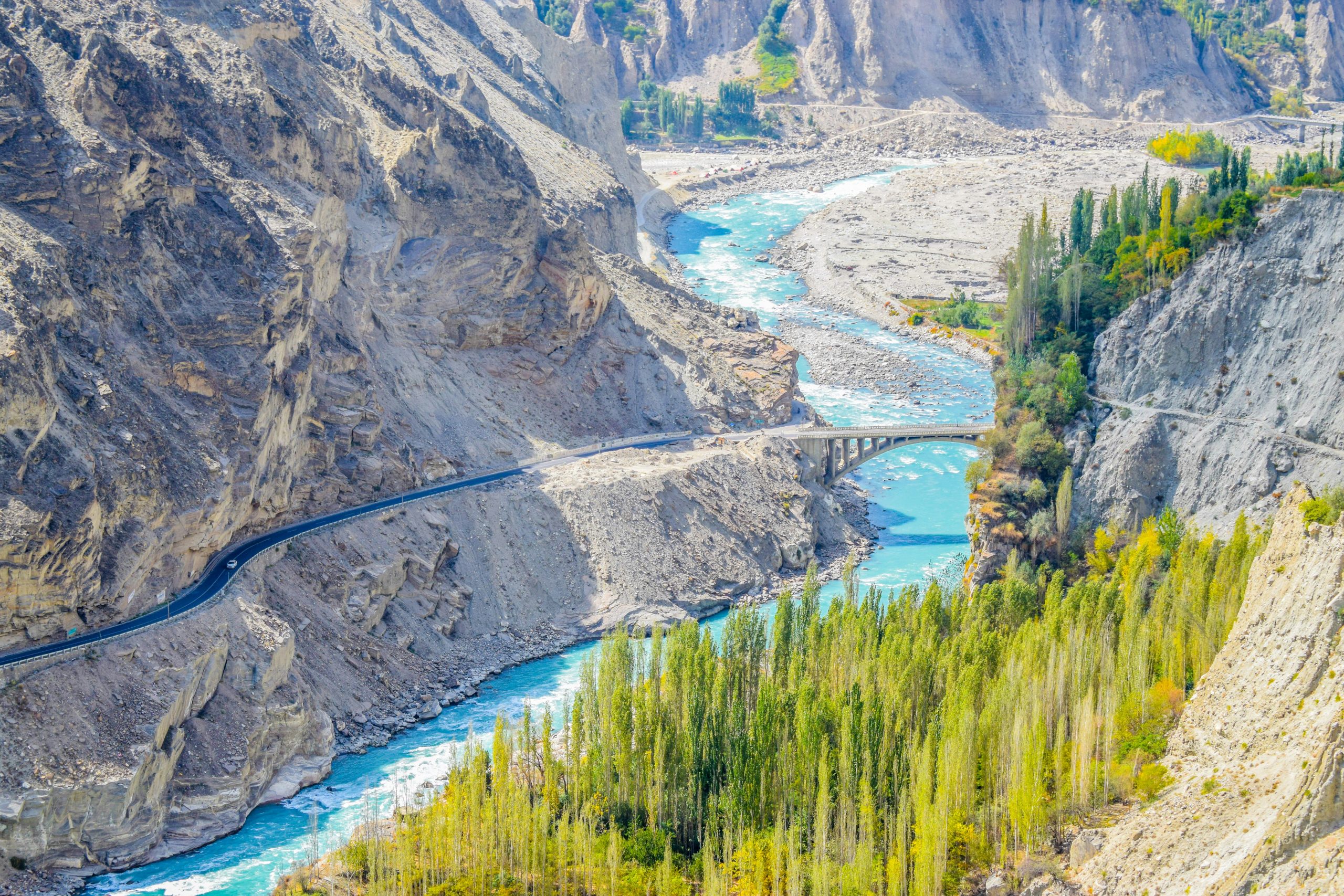
Pakistan’s growing presence on the world stage isn’t about a sudden, grand declaration, but rather a steady evolution. It’s a country with a complex history and a significant geographic position, and these factors are increasingly shaping how it interacts with the rest of the globe. Rather than being a passive observer, Pakistan is actively carving out its own niche, driven by a mixture of its own aspirations and the shifting dynamics of international relations. This isn’t about predicting it will suddenly become a superpower; it’s about understanding the practical ways its influence is being felt and the areas where it’s building capacity and connections.
Pakistan’s location is its most undeniable asset, and increasingly, the world is paying attention. It sits at a crossroads, bordering Iran, Afghanistan, China, and India, with direct access to the Arabian Sea. This isn’t just a map point; it translates into real-world influence and potential.
The China-Pakistan Economic Corridor (CPEC)
This is by far the most visible manifestation of Pakistan’s strategic importance. CPEC, a flagship project of China’s Belt and Road Initiative (BRI), involves massive infrastructure development across Pakistan, including ports, roads, railways, and energy projects.
Economic Impact and Connectivity
CPEC is touted as a game-changer for Pakistan’s economy, promising job creation, increased trade, and improved infrastructure. The Gwadar port, in particular, is envisioned as a major shipping hub, offering China a shorter route to the Middle East and Africa. For Pakistan, it’s an opportunity to overcome its infrastructure deficits and boost its economy.
Geopolitical Implications
The corridor inevitably draws attention from regional powers. India, for example, views CPEC with suspicion due to its passage through disputed territory (Kashmir) and its deepening ties between Pakistan and China, its rival. The US and other Western nations have also expressed concerns about the debt implications and transparency of CPEC projects. Pakistan’s ability to navigate these geopolitical currents while maximizing CPEC’s benefits is crucial.
Gateway to Central Asia
Beyond CPEC, Pakistan’s position also makes it a potential gateway to the resource-rich and strategically important Central Asian republics. Improved connectivity, particularly through Afghanistan, could unlock trade routes and energy pipelines.
Untapped Potential and Challenges
While the potential is there, significant challenges remain, including improving stability in Afghanistan, developing robust transportation networks, and overcoming historical trade barriers. However, as Central Asian economies grow, Pakistan’s role as a trade and transit facilitator could become increasingly significant.
Shifting Defense Posture and Regional Security
Pakistan’s defense capabilities and its approach to regional security are directly linked to its emerging global role. Its military strength, particularly its nuclear capability, has always been a factor, but its active participation in international security initiatives is growing.
Counter-Terrorism Efforts and International Cooperation
For decades, Pakistan has been on the front lines of the global war on terror, incurring significant human and economic costs. Its contributions to counter-terrorism efforts, while sometimes viewed with skepticism, have been acknowledged.
Intelligence Sharing and Border Management
Pakistan’s intelligence agencies have collaborated with international partners on numerous occasions, sharing critical information and undertaking joint operations. Its extensive border management efforts, particularly along the Afghan border, are vital for regional stability.
The Evolving Nature of Threats
As global security threats evolve (cyber warfare, hybrid threats), Pakistan is also adapting its capabilities and seeking partnerships to address these new challenges. This includes investing in cyber defense and participating in international discussions on these emerging issues.
Maintaining Strategic Balance in South Asia
Pakistan’s defense policies are intrinsically linked to its relationship with India. The ongoing strategic competition in South Asia influences its defense spending, alliances, and its cautious approach to arms control.
Deterrence and Regional Stability
Pakistan maintains that its nuclear capabilities are purely for deterrence. Its role in maintaining a strategic balance in the region, while complex and often tense, is a significant factor in global security considerations. Any shift in this balance has ripple effects far beyond its borders.
Economic Engagement and Trade Diversification

While Pakistan has historically relied on remittances and some key exports, there’s a growing push towards economic diversification and attracting foreign investment. This is crucial for its stability and its ability to play a more robust role on the global stage.
Beyond Traditional Exports
Historically, textiles have been a dominant export. However, Pakistan is exploring and promoting its potential in sectors like IT services, light engineering, pharmaceuticals, and agricultural products. This diversification is key to absorbing external shocks and fostering sustainable growth.
Leveraging the Digital Economy
The growth of Pakistan’s IT sector is a significant development. Talented young professionals are contributing to the global digital economy, and the government is investing in initiatives to further develop this sector. This offers a pathway to export high-value services.
Attracting Foreign Direct Investment (FDI)
Securing FDI is vital for economic development and also signals confidence in Pakistan’s economic fundamentals. The government is working to improve the ease of doing business, streamline regulations, and create a more attractive environment for foreign investors.
Sector-Specific Opportunities
There are specific sectors where Pakistan is actively seeking investment, including renewable energy, logistics, and manufacturing. These areas align with global trends and offer long-term growth potential.
Regional Trade Agreements and Partnerships
Pakistan is actively participating in regional trade agreements and seeking to forge new partnerships to expand its market access and boost trade volumes.
SAARC and ECO
While SAARC (South Asian Association for Regional Cooperation) has faced challenges due to political tensions, Pakistan remains committed to its role within the organization. It also actively participates in ECO (Economic Cooperation Organization) with Central Asian nations.
Climate Change and Environmental Diplomacy

Climate change is a global challenge that transcends borders, and Pakistan is on the front lines, facing significant impacts. Its experience and its efforts to address these issues position it as a voice in global climate diplomacy.
Vulnerability and Impact
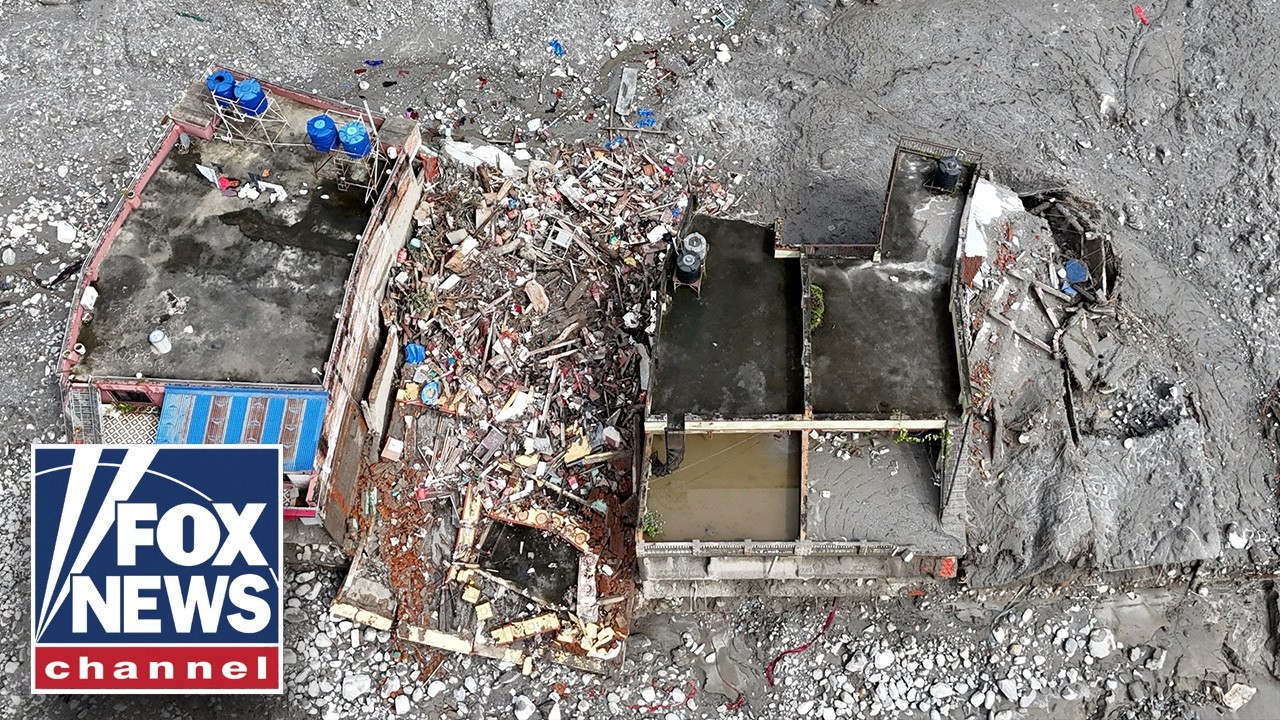
Pakistan is one of the most climate-vulnerable countries in the world. Experiences with severe floods, droughts, and extreme weather events have a devastating impact on its agriculture, economy, and population.
Adaptation and Resilience Efforts
The country is implementing numerous adaptation strategies and aiming to build resilience against climate shocks. Initiatives like the Ten Billion Tree Tsunami aim to combat deforestation and desertification.
Advocating for Climate Justice
Given its vulnerability, Pakistan is increasingly vocal in international forums, advocating for greater climate finance for developing nations and stricter global emissions targets.
Lessons Learned and Best Practices
Pakistan’s experiences with climate-induced disasters offer valuable lessons for other vulnerable regions. Sharing these lessons and collaborating on adaptation technologies is a key aspect of its emerging environmental diplomacy.
Soft Power and Cultural Outreach
| Metrics | Data |
|---|---|
| Population | 220 million |
| Area | 881,913 square kilometers |
| Capital | Islamabad |
| Official Language | Urdu |
| Currency | Pakistani Rupee (PKR) |
Beyond defense and economics, Pakistan’s cultural richness and its people’s engagement with the world are increasingly contributing to its global profile.
Media, Arts, and Literature
Pakistani artists, writers, musicians, and filmmakers are gaining international recognition. Their work offers a window into the country’s diverse society, its struggles, and its aspirations.
Global Audiences and Storytelling
From popular drama serials to independent films and literary works, Pakistani creators are reaching global audiences and telling stories that resonate internationally. This “soft power” builds understanding and bridges cultural divides.
Sports Diplomacy
Pakistan’s cricketing heritage, in particular, has always been a significant aspect of its international engagement. Sporting events foster camaraderie and understanding between nations.
Youth Engagement and International Platforms
The involvement of Pakistani youth in international forums, debate competitions, and cultural exchange programs also contributes to its soft power. These young individuals are often ambassadors for their country.
Promoting Tourism and Heritage
Pakistan possesses immense natural beauty and rich historical sites, from the Karakoram mountains to ancient civilizations. Efforts to promote tourism aim to showcase this heritage and foster positive perceptions.
Cultural Exchange and Diplomacy
Facilitating cultural exchanges, academic collaborations, and people-to-people contact are crucial for building long-term relationships and enhancing Pakistan’s standing on the global stage. This isn’t about boasting, but about genuine connection.
FAQs
What is the geography of Pakistan?
Pakistan is located in South Asia and is bordered by India to the east, Afghanistan and Iran to the west, and China to the north. It also shares a maritime border with Oman. The country has a diverse landscape, including mountains, plains, and coastal areas.
What is the population of Pakistan?
As of 2021, the population of Pakistan is estimated to be over 225 million, making it the 5th most populous country in the world. The population is predominantly Muslim, with Islam being the official religion of the country.
What is the economy of Pakistan like?
Pakistan has a mixed economy with agriculture, industry, and services sectors. The country is known for its agricultural products such as cotton, wheat, and rice. It also has a growing industrial sector, particularly in textiles, manufacturing, and construction.
What are the major cities in Pakistan?
The major cities in Pakistan include Karachi, which is the largest city and financial hub, Lahore, the cultural capital, and Islamabad, the capital city. Other important cities include Faisalabad, Rawalpindi, and Multan.
What are some popular tourist attractions in Pakistan?
Pakistan is known for its natural beauty and historical sites. Some popular tourist attractions include the Karakoram Highway, which offers stunning mountain views, the ancient city of Taxila, and the scenic Hunza Valley. The country also has several UNESCO World Heritage Sites, such as the Lahore Fort and Shalimar Gardens.

 One Place News