oneplacenews
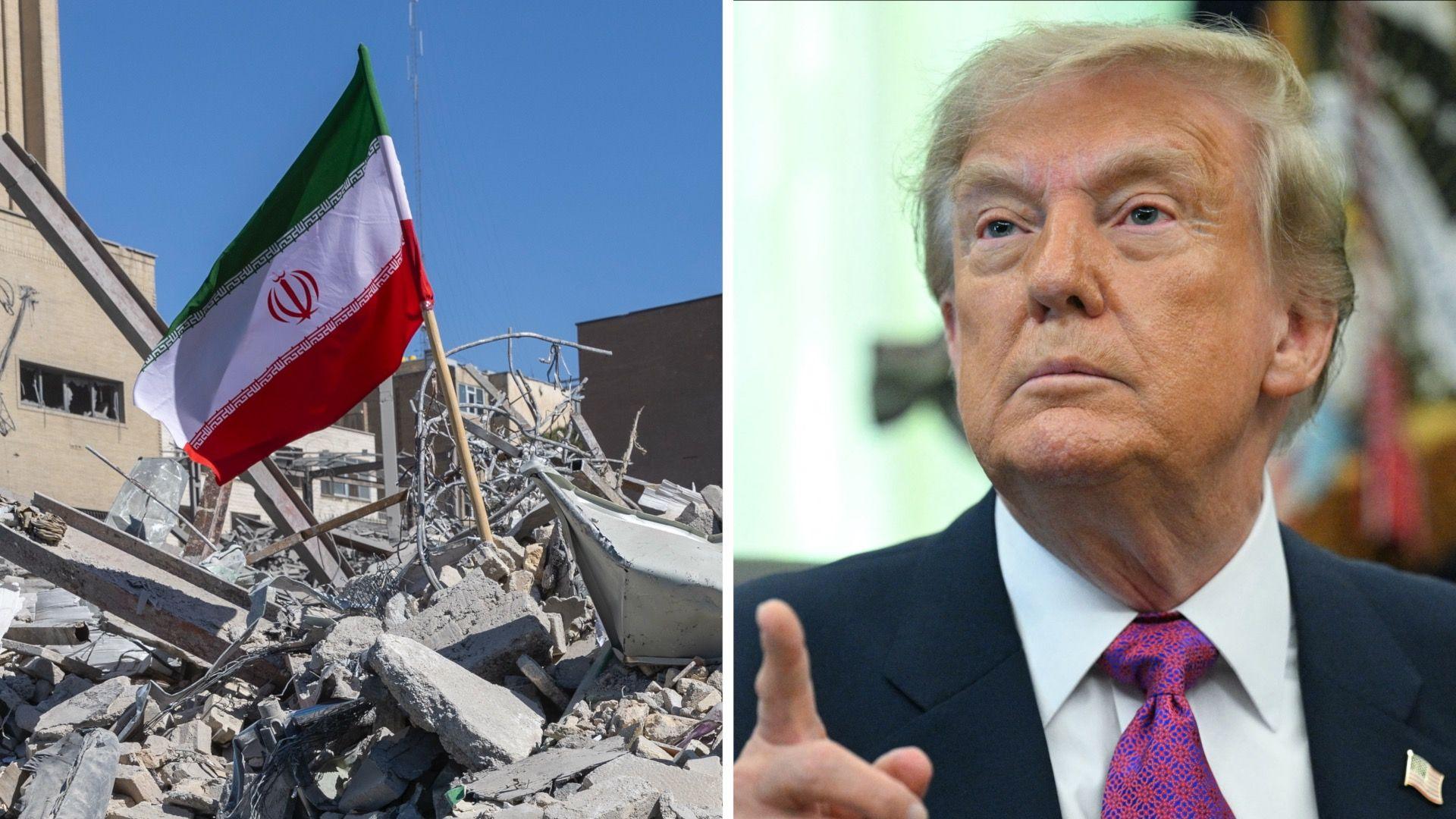
Let’s talk about what’s really happening in Iran right now. If you’re looking for a quick summary, the country is navigating a complex web of internal disaffection, economic pressure, and escalating regional and international tensions. It’s a challenging period on multiple fronts, with the government trying to maintain stability amidst growing protests and a struggling economy, all while dealing with external pressures that aren’t making things any easier.
The past few years have been punctuated by significant bouts of internal unrest in Iran. These aren’t just minor demonstrations; they reflect deep-seated issues that resonate across various segments of society.
Persistent Social and Political Grievances
At the heart of the protests are long-standing grievances related to personal freedoms, political representation, and basic human rights. People are frustrated with the limitations on their daily lives, the lack of avenues for expressing dissent without severe repercussions, and what many perceive as a lack of accountability from those in power.
- Women’s Rights and the Mandatory Hijab: The death of Mahsa Amini in late 2022, following her arrest by the morality police, ignited widespread protests. While sparked by the mandatory hijab law, these demonstrations quickly broadened into a broader movement against the Islamic Republic’s entire system of governance. The demand for “Woman, Life, Freedom” became a rallying cry, encapsulating desires for greater autonomy and an end to discriminatory practices.
- Student Activism: Universities have often been hotspots for dissent. Students, typically more vocal and organized, frequently participate in protests, advocating for academic freedoms, political reforms, and greater social liberties. Their actions often face stern crackdowns, with many facing arrest or expulsion.
- Ethnic Minorities: Iran is a multi-ethnic country, and various minority groups (Kurds, Balochs, Arabs, Azeris) often feel marginalized and discriminated against. They face economic disadvantages and cultural repression, leading to localized protests that occasionally merge with broader national movements. These regional grievances add another layer of complexity to the internal situation.
Economic Hardship Fueling Anger
While social and political issues are potent drivers for unrest, economic woes are perhaps the most pervasive and tangible source of public frustration. Sanctions, mismanagement, and corruption have created significant hardships for ordinary Iranians.
- High Inflation and Unemployment: Iran has grappled with persistently high inflation for years, eroding the purchasing power of average households. Essential goods and services become increasingly unaffordable. Unemployment, particularly among youth and educated individuals, remains a significant challenge, leading to widespread disillusionment and a feeling of hopelessness about the future.
- Corruption and Inequality: Perceptions of widespread corruption within government and intertwined institutions are a major source of public anger. Many believe that a select few benefit disproportionately from the country’s resources while the majority struggle. This perceived inequality fuels resentment and a sense of injustice among the population.
- Impact of Sanctions: While sanctions are imposed externally, their internal impact is profound. They restrict Iran’s ability to trade on international markets, access financial systems, and acquire necessary technology, all of which directly contribute to economic stagnation and hardship. While the government blames sanctions, many Iranians also attribute their suffering to internal mismanagement and corruption.
Economic Challenges and Sanctions Strain
Iran’s economy is under severe strain, primarily due to international sanctions and structural issues. This impacts everything from daily life to the government’s ability to fund its operations and foreign policy objectives.
The Weight of International Sanctions
The unilateral sanctions imposed by the United States, particularly after withdrawing from the Joint Comprehensive Plan of Action (JCPOA), have dealt a heavy blow to Iran’s economy.
- Oil Exports and Revenue: Oil exports traditionally formed the backbone of Iran’s economy. Sanctions have severely curtailed Iran’s ability to sell its oil on the international market, dramatically reducing its primary source of foreign currency revenue. While Iran has found creative ways to bypass some sanctions, the overall volume and price remain significantly depressed compared to pre-sanction levels.
- Banking and Financial Isolation: Iran’s banking sector is largely cut off from the global financial system. This makes it incredibly difficult for Iranian businesses to conduct international transactions, import necessary goods, or attract foreign investment. This isolation hampers economic growth and complicates efforts to diversify the economy.
- Access to Essential Goods and Medicine: While human rights advocates argue that sanctions should not target humanitarian goods, the reality is that the financial restrictions often make it challenging to import even essential medicines and medical equipment. This creates real suffering for ordinary citizens and further fuels public discontent.
Structural Economic Issues and Diversification Efforts
Even without sanctions, Iran’s economy faces significant structural challenges rooted in historical reliance on oil, political patronage, and a lack of transparency.
- Rentier State Dependence: For decades, Iran’s economy has been heavily reliant on oil revenues, which has discouraged the development of diverse manufacturing sectors and private enterprise. This “rentier state” model makes the economy vulnerable to global oil price fluctuations and external pressures.
- State Control and Privatization Challenges: A large portion of the Iranian economy remains under state control or belongs to quasi-governmental foundations (Bonyads) that are often opaque and unaccountable. Efforts to privatize state-owned enterprises have been inconsistent and often marred by allegations of corruption or simply transferring assets to government-affiliated entities rather than genuine private sector development.
- Water Scarcity and Agricultural Pressures: Iran is inherently a dry country facing increasing water scarcity due to climate change and inefficient agricultural practices. This poses a significant long-term threat to food security and creates additional economic and social pressures, particularly in rural areas.
Iran’s Foreign Policy and Regional Role

Iran’s foreign policy is highly active and often controversial, reflecting its revolutionary ideology and strategic interests in the Middle East. This has led to both alliances and significant tensions with other regional and global powers.
Engagement with Regional Proxies
A key aspect of Iranian foreign policy is its support for various non-state actors across the Middle East. This network of alliances and proxies is often referred to as the “Axis of Resistance.”
- Hezbollah in Lebanon: Hezbollah is perhaps the most prominent and powerful of Iran’s allies. Iran provides financial, military, and political support, viewing Hezbollah as a crucial deterrent against Israel and a key component of its regional influence.
- Houthi Movement in Yemen: Iran supports the Houthi rebels in Yemen, providing them with military assistance and political backing. This engagement challenges Saudi Arabia’s influence in the Arabian Peninsula and diversifies Iran’s regional leverage.
- Militias in Iraq and Syria: Iran maintains significant influence over various Shiite militias in Iraq, some of which are integrated into the Iraqi state’s security apparatus. In Syria, Iran played a critical role in supporting the Assad regime during the civil war, deploying advisors and backing various pro-regime militias to protect its interests and maintain a land bridge to Hezbollah.
Strained Relations with Western Powers
Relations between Iran and Western powers, particularly the United States, remain deeply adversarial, characterized by a cycle of sanctions, rhetoric, and accusations.
- Nuclear Program Standoff: The Iranian nuclear program is a central point of contention. While Iran insists its program is for peaceful purposes, Western powers and Israel fear its potential to develop nuclear weapons. The collapse of the JCPOA and subsequent negotiations have left the future of the program uncertain and dangerously close to military escalation.
- Human Rights Concerns: Western governments frequently criticize Iran’s human rights record, including its treatment of political prisoners, women, and ethnic minorities. These concerns often inform sanction policies and diplomatic efforts.
- Regional Instability and Terrorism Allegations: Western nations accuse Iran of destabilizing the region through its proxy networks and supporting terrorism. Iran, in turn, accuses the West of interference in its internal affairs and pursuing hostile policies.
Geopolitical Dynamics and Global Power Plays

Iran’s position as a strategically important country, sitting at the crossroads of the Middle East, makes it a focal point for global power struggles.
China and Russia as Strategic Partners
Facing Western isolation, Iran has increasingly turned to Russia and China for economic, political, and military cooperation.
- Economic Ties with China: China is Iran’s largest trading partner and a crucial market for Iranian oil, despite sanctions. Beijing also invests in Iranian infrastructure projects, though often with caution due to secondary sanctions risks. This relationship provides Iran with a vital economic lifeline.
- Military and Political Alignment with Russia: Russia and Iran share common interests in challenging U.S. hegemony and maintaining influence in the Middle East, particularly in Syria. Recent reports indicate growing military cooperation, including Iranian drone sales to Russia for use in Ukraine and potential future transfers of advanced Russian military technology to Iran. This military-technical cooperation is a significant development and raises concerns for Western powers.
- Shanghai Cooperation Organization (SCO) Membership: Iran’s recent full membership in the SCO, a security block led by China and Russia, signifies its efforts to integrate into non-Western alliances and reduce its vulnerability to Western pressure.
The Israel-Palestine Conflict and Regional Dynamics
The ongoing conflict between Israel and Palestine profoundly influences Iran’s foreign policy and its relationships with other regional actors.
- Support for Palestinian Factions: Iran is a vocal supporter of Palestinian resistance groups like Hamas and Islamic Jihad, providing them with financial and military assistance. This support is framed within its revolutionary ideology and its opposition to Israel.
- Impact of Gaza War: The recent conflict in Gaza has significantly heightened regional tensions. Iran’s proxies, particularly the Houthis, have escalated attacks in response, while Hezbollah has engaged in border skirmishes with Israel. This situation increases the risk of a wider regional conflict, which could draw in Iran directly.
- Normalization Agreements and Iranian Isolation: The Abraham Accords, which saw several Arab states normalize relations with Israel, were viewed by Iran as an attempt to isolate it further. This has reinforced Iran’s determination to strengthen its “Axis of Resistance” and counter what it perceives as an anti-Iran regional bloc.
The Nuclear Program and Future Outlook
| Metrics | Data |
|---|---|
| Population | 83 million |
| Area | 1,648,195 square kilometers |
| Capital | Tehran |
| Official Language | Persian |
| Currency | Iranian Rial (IRR) |
The unresolved issue of Iran’s nuclear program remains arguably the most critical and potentially dangerous aspect of its current situation, with high stakes for regional and global security.
Stalled Negotiations and Uranium Enrichment
Since the U.S. withdrawal from the JCPOA, efforts to revive the agreement have largely stagnated, and Iran has significantly advanced its nuclear capabilities.
- Increased Enrichment Levels: Iran has steadily increased its uranium enrichment levels, far beyond the limits set by the JCPOA, and closer to weapons-grade levels. It has also expanded its centrifuge cascade operations, reducing its “breakout” time – the time estimated to produce enough fissile material for one nuclear weapon.
- IAEA Monitoring Challenges: Iran has placed restrictions on the International Atomic Energy Agency’s (IAEA) access to its nuclear sites and monitoring equipment, making it difficult for the agency to fully verify the peaceful nature of Iran’s program. This lack of transparency further fuels international concerns.
- U.S. and Israeli Positions: The U.S. maintains that a diplomatic solution is preferred but has consistently stated that it will not allow Iran to obtain nuclear weapons. Israel views a nuclear-armed Iran as an existential threat and has not ruled out military action to prevent it. This creates a highly volatile situation.
Pathways and Potential Scenarios
The future of Iran’s nuclear program and its broader situation is uncertain, with several possible paths forward, each carrying significant risks.
- Renewed Diplomacy (Unlikely in Short Term): A return to serious negotiations could theoretically lead to a new deal or a return to the JCPOA, but trust is low, and both sides have entrenched positions. Deep political divisions within Iran also make it difficult for the government to make significant concessions.
- Further Escalation and Confrontation: Continued lack of progress on the nuclear front, combined with regional tensions, could lead to further escalation. This could involve increased Israeli strikes on alleged Iranian targets in Syria, more aggressive actions by Iranian proxies, or even direct military confrontation, whether accidental or intentional.
- Internal Evolution and Succession: While not directly tied to the nuclear issue, the eventual succession of the Supreme Leader, Ayatollah Ali Khamenei, is a major unknown. This event could trigger significant internal power struggles and potentially alter Iran’s domestic and foreign policy trajectory, though the system is designed for continuity, not radical change.
In essence, Iran is a country under immense pressure, both from within and without. The government is trying to navigate these challenges while maintaining its ideological commitments and regional influence. The public, enduring economic hardship and limited freedoms, continues to express its discontent, often at great personal risk. The interplay of these forces will determine Iran’s path forward, and the implications will be felt far beyond its borders.
FAQs
What is the capital of Iran?
The capital of Iran is Tehran, which is also the largest city in the country.
What is the official language of Iran?
The official language of Iran is Persian, also known as Farsi.
What is the currency used in Iran?
The currency used in Iran is the Iranian rial.
What are some popular tourist attractions in Iran?
Some popular tourist attractions in Iran include the ancient city of Persepolis, the Golestan Palace in Tehran, and the Nasir al-Mulk Mosque in Shiraz.
What are some traditional dishes in Iranian cuisine?
Some traditional dishes in Iranian cuisine include kebabs, rice dishes such as chelo kebab and tahdig, and stews such as ghormeh sabzi and fesenjan.

 One Place News