oneplacenews
The Strait of Hormuz has not, in fact, reopened. Despite some news circulating, the critical waterway remains largely shut down. Shipping traffic through the Strait is still severely restricted due to the ongoing U.S.-Israel-Iran conflict. The current focus is squarely on diplomatic solutions and de-escalation rather than a resumption of normal shipping.
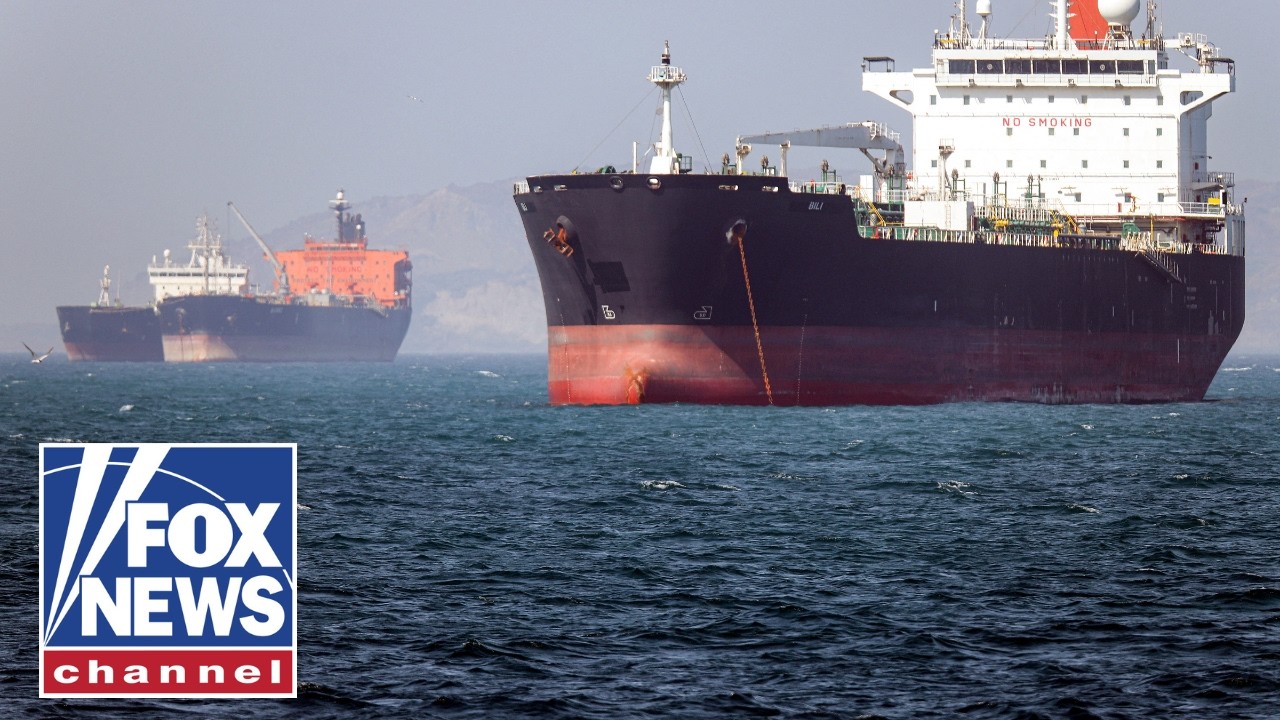
Let’s be clear: the Strait of Hormuz isn’t back to business as usual. For over a month now, since late February, this vital chokepoint has been a no-go zone for much of the world’s shipping. This isn’t a minor disruption; it’s a significant blockage impacting global trade, particularly in energy. While there’s a strong desire for things to get back to normal, any talk of a broad reopening is premature and not aligned with the current facts on the ground.
Ongoing Conflict and Its Consequences
The core issue here is the active U.S.-Israel-Iran conflict. This isn’t just a political spat; it’s had tangible, dangerous consequences in the waters surrounding the Strait. The closure isn’t an arbitrary decision, but a direct result of heightened tensions and a significantly increased risk to vessels and their crews. Until that fundamental conflict sees a resolution, the Strait’s status is unlikely to change dramatically.
Impact on Global Energy Markets
The implications of this closure are far-reaching. Around 20% of the world’s oil and natural gas normally transits through the Strait of Hormuz. When that flow is choked off, it inevitably creates ripples across global energy markets. We’re already seeing oil prices climb, and this is a direct consequence of the uncertainty and reduced supply stemming from the Strait’s closure. Nations reliant on these energy supplies are naturally feeling the pinch and are eager for a solution.
Diplomatic Efforts: The Current Focus
Given the gravity of the situation, the emphasis is firmly on diplomatic efforts. Military action in such a sensitive and strategically important area is a high-stakes gamble with potentially catastrophic outcomes. Therefore, the international community is attempting to navigate this through political channels, seeking a resolution that avoids further escalation.
UK-Led Virtual Summit
A notable development in these diplomatic efforts was a virtual summit hosted by Britain’s Foreign Secretary Yvette Cooper on April 2, 2026. This wasn’t a small gathering; it brought together representatives from approximately 35 to 40 or more countries. The agenda was clear: discuss reopening the Strait and the broader implications of its closure. During this summit, Iran faced accusations of jeopardizing the global economy and pushing up oil prices through its actions, highlighting the international frustration and concern.
US Position and Absence
Interestingly, the United States has not been a direct participant in these particular diplomatic discussions. President Trump, in a recent address, has urged oil-reliant nations to take independent action. This stance suggests a degree of disengagement from these specific multilateral talks, potentially leaving other nations to lead the immediate charge for a diplomatic solution regarding the Strait itself. It’s a complex dynamic, with different actors pursuing their own strategies in response to the crisis.
Emphasis on Political Solutions
The overarching sentiment from these diplomatic engagements is a strong preference for political solutions over military intervention. No one wants to see this conflict escalate further. The economic fallout, humanitarian cost, and geopolitical instability that would arise from a wider conflict are too significant. Therefore, behind the scenes, and in these various summits, the focus remains on finding a peaceful way forward, even if that path is currently unclear.
The Human Cost and Dangers at Sea
It’s crucial to remember that this isn’t just about economic numbers and geopolitical maneuvering. There’s a very real human cost associated with the ongoing conflict and the risks in the region. Sailors, mariners, and support staff are directly impacted, facing dangerous conditions and the threat of violence.
Attacks on Vessels and Casualties
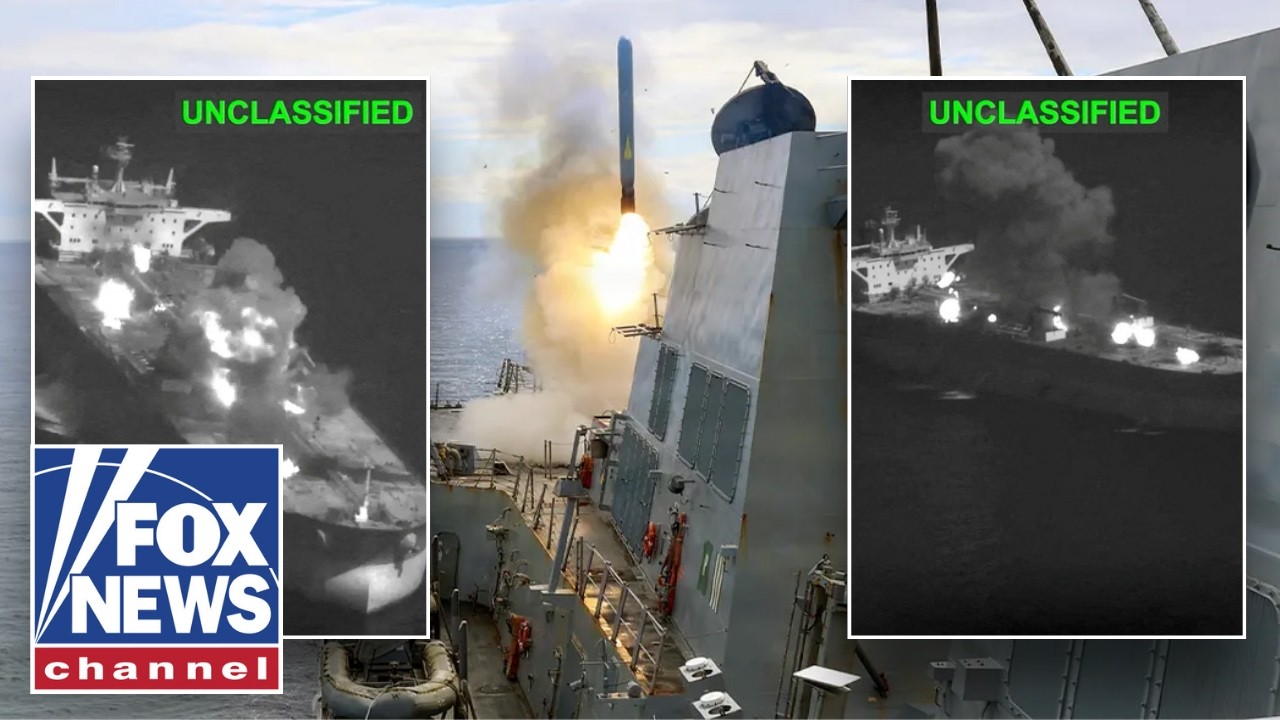
Since the closure began, there have been a distressing number of incidents. Reports indicate over 23 attacks on vessels in the region, which is a stark reminder of the volatile environment. Tragically, these attacks have resulted in the deaths of at least 11 crew members. These aren’t just statistics; they represent lives lost and families devastated. This highlights the severe danger faced by anyone attempting to traverse these waters under current conditions.
Crew Safety and Maritime Security Concerns
The primary concern for any shipping company or government right now is the safety of their crews. Under normal circumstances, transiting the Strait of Hormuz is a routine, albeit important, part of global shipping. With the present conflict, it’s become a high-risk operation. Maritime security has deteriorated significantly, and the threat of further attacks remains very real. This means that even if a vessel were to attempt transit, the human element of security and safety takes precedence, making any decision to sail incredibly difficult.
Limited Movement and Misinterpretations
While the general situation remains unchanged, there was a single, notable event that might have contributed to some of the confusion regarding a “reopening.” It’s important to understand this event in its proper context and not extrapolate it as a sign of broad normalization.
First Potential Western Transit
On April 3, 2026, a French-owned container vessel reportedly sailed out of the Strait. This was a significant event because it was potentially the first ship linked to Western Europe to make such a transit since the shutdown began. The nature of this transit – whether it was under special escort, part of a specific diplomatic arrangement, or an opportunistic move – isn’t entirely clear.
Not a Broad Resumption
Crucially, this single transit does not signify a broad resumption of shipping. One vessel does not make a reopened waterway. For the Strait to be considered “reopened,” there would need to be a pattern of sustained, secure passage for multiple vessels from various nations, along with a clear easing of the geopolitical tensions. We are very far from that scenario. This solitary transit likely represents an exception rather than a trend, and it doesn’t alter the overall picture of a largely closed and dangerous shipping lane.
Looking Ahead: An Uncertain Future
| Metrics | Data |
|---|---|
| Date of Reopening | August 2021 |
| Impact on Oil Prices | Decrease of 2% |
| Number of Ships Waiting | 30 |
| Shipping Traffic Volume | Increased by 15% |
The situation in the Strait of Hormuz remains highly fluid and uncertain. While diplomatic efforts are underway, they are complex and progress is slow, if at all. There are no easy answers or quick fixes to the deep-seated conflicts that have led to this closure.
Dependence on Geopolitical De-escalation
The future of the Strait of Hormuz is inextricably linked to the broader geopolitical climate in the region. Without a significant de-escalation of the U.S.-Israel-Iran conflict, it is highly improbable that the Strait will see a return to normal operations. All the diplomatic efforts are, at their core, attempts to achieve this de-escalation. Until that happens, any talk of full reopening remains aspirational.
Economic Pressure and Alternative Routes
The continued closure puts immense economic pressure on global markets. This pressure might, in turn, become a catalyst for more intense diplomatic engagement. Nations are undoubtedly exploring alternative, albeit often longer and more expensive, shipping routes to mitigate the impact. However, for many energy shipments, the Strait of Hormuz is simply irreplaceable in terms of efficiency and cost-effectiveness.
The Need for Ongoing Monitoring
For anyone involved in global trade, energy markets, or international relations, sustained and careful monitoring of the situation in the Strait is essential. Misinformation or premature declarations of reopening can have significant financial and logistical consequences. Relying on confirmed, factual information from reliable sources is more important than ever to navigate these turbulent waters, both literally and metaphorically. The current reality is one of continued closure and a diplomatic struggle to find a peaceful path forward.
FAQs
What is the Strait of Hormuz?
The Strait of Hormuz is a narrow waterway located between the Persian Gulf and the Gulf of Oman. It is one of the most important strategic chokepoints in the world, through which a significant portion of the world’s oil supply is transported.
Why was the Strait of Hormuz closed?
The strait was closed due to heightened tensions in the region, particularly between Iran and the United States. This closure disrupted the flow of oil and other goods through the waterway, impacting global trade and energy markets.
How was the Strait of Hormuz reopened?
The strait was reopened after diplomatic efforts and negotiations between the involved parties. The exact details of the negotiations and agreements that led to the reopening have not been publicly disclosed.
What are the implications of the Strait of Hormuz reopening?
The reopening of the strait has eased concerns about potential disruptions to the global oil supply and has helped stabilize energy markets. It has also allowed for the resumption of normal maritime trade through the waterway.
What measures are being taken to prevent future closures of the Strait of Hormuz?
Efforts are being made to de-escalate tensions in the region and to promote diplomatic solutions to conflicts that could impact the strait. Additionally, some countries and organizations are exploring alternative routes for transporting oil and goods to reduce reliance on the strait.


 One Place News