oneplacenews
It’s understandable why you might be seeing headlines about U.S. military operations being “temporarily halted.” The situation in the Middle East, particularly concerning Iran, has been pretty dynamic. The core idea behind these kinds of announcements often boils down to a shift in tactical focus or a pause for assessment, rather than a complete withdrawal or cessation of all activity. Right now, there’s a lot of back-and-forth, with mentions of winding down certain operations while simultaneously preparing for potential escalations and maintaining a strong presence.
A Delicate Balancing Act in the Gulf
The U.S. military’s presence in and around the Persian Gulf is a constant dance of deterrence and readiness. When we talk about “pauses” or “wind-downs,” it’s often within the context of specific objectives or a perceived stage of engagement.
Shifting Objectives and Strategic Rethinks
President Trump has recently indicated a potential shift in U.S. strategy, suggesting a move towards “winding down” operations directed at Iran. This isn’t necessarily about stopping all military action, but rather about re-evaluating what the immediate goals are and whether those goals have been sufficiently met.
“Very Close to Meeting Our Objectives”
The sentiment expressed is that the U.S. is nearing the completion of key objectives. The focus has been on degrading Iran’s capabilities, particularly in areas like its missile program, naval strength, and air force. The idea is that if these specific threats can be significantly diminished, the operational tempo might be adjusted accordingly. This is more about reaching a specific milestone than a broad “mission accomplished” declaration.
Reducing Middle East Efforts
Following the perceived achievement of these objectives, there’s talk of a broader reduction in overall U.S. military efforts in the Middle East. This could involve reallocating resources, personnel, and attention to other strategic priorities. However, such a reduction is often contingent on the prevailing security environment and the continued adherence to any agreements or understandings reached.
Mixed Signals: Presence vs. Presence
Despite discussions of winding down, the practical reality on the ground often presents a more complex picture. The deployment of military assets can send conflicting messages, suggesting readiness for broader engagement even as specific operations are being reviewed.
Reinforcing the Regional Footprint
While some operations might be scaled back in intensity or focus, the U.S. continues to strengthen its military presence in key areas. This is often a proactive measure to deter aggression or respond to evolving threats.
Sending More Warships to the Region
The dispatch of additional warships to the Middle East is a common tactic to bolster naval power and ensure freedom of navigation. These deployments serve multiple purposes: demonstrating commitment to regional allies, projecting power, and having the capacity to respond quickly to any disruptions in vital shipping lanes.
Marines on Standby
Similarly, the deployment of Marines signifies a readiness for various contingencies. Marines are a highly adaptable force, capable of performing a wide range of missions from expeditionary warfare to providing security for critical installations. Their presence underscores the U.S. commitment to regional stability and its ability to project force if necessary.
Preparing for the Worst: Escalation Plans
Beneath the surface of any perceived “winding down,” defense officials are often engaged in meticulous planning for more significant scenarios, including potential escalations. These preparations are a standard part of military strategy, ensuring readiness for a range of possibilities.
Contingency Planning for Ground Operations
Sources within the Pentagon have indicated that detailed plans are being developed for the potential deployment of U.S. ground forces. This doesn’t mean an invasion is imminent, but rather that the military is exploring all viable options should the situation demand a direct intervention within Iran itself.
Briefings and Discussions on Ground Forces
These discussions and planning sessions are complex, involving numerous variables such as logistical challenges, operational objectives, and potential ramifications. The focus is on understanding the scope and feasibility of such an undertaking, even if it remains a contingency option.
The Ever-Present Strait of Hormuz
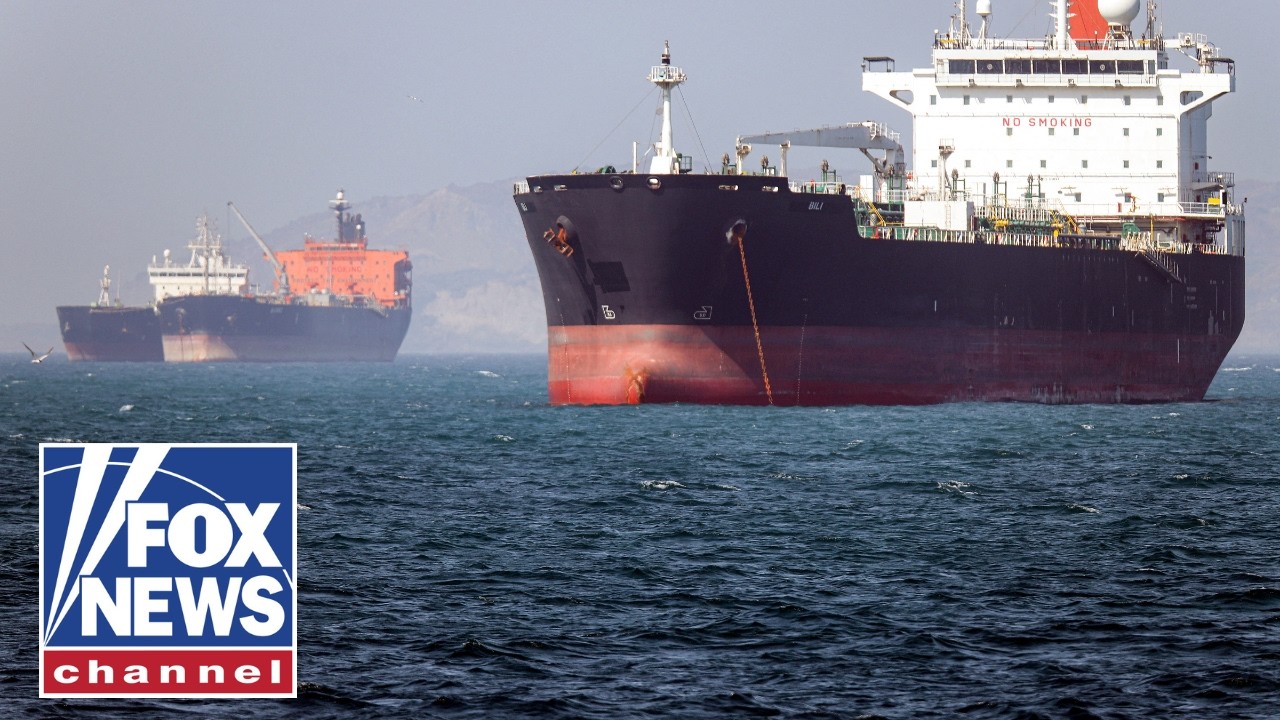
The Strait of Hormuz remains a critical chokepoint in global oil trade and a perpetual source of tension. Any discussion of military operations in the region inevitably involves this vital waterway.
Iran’s Threats and U.S. Responses
Iran has repeatedly threatened to close the Strait of Hormuz if the U.S. takes certain actions, such as striking Iranian power plants. These threats are part of a broader strategy of creating regional instability and projecting leverage.
U.S. Assertions on Kharg Island
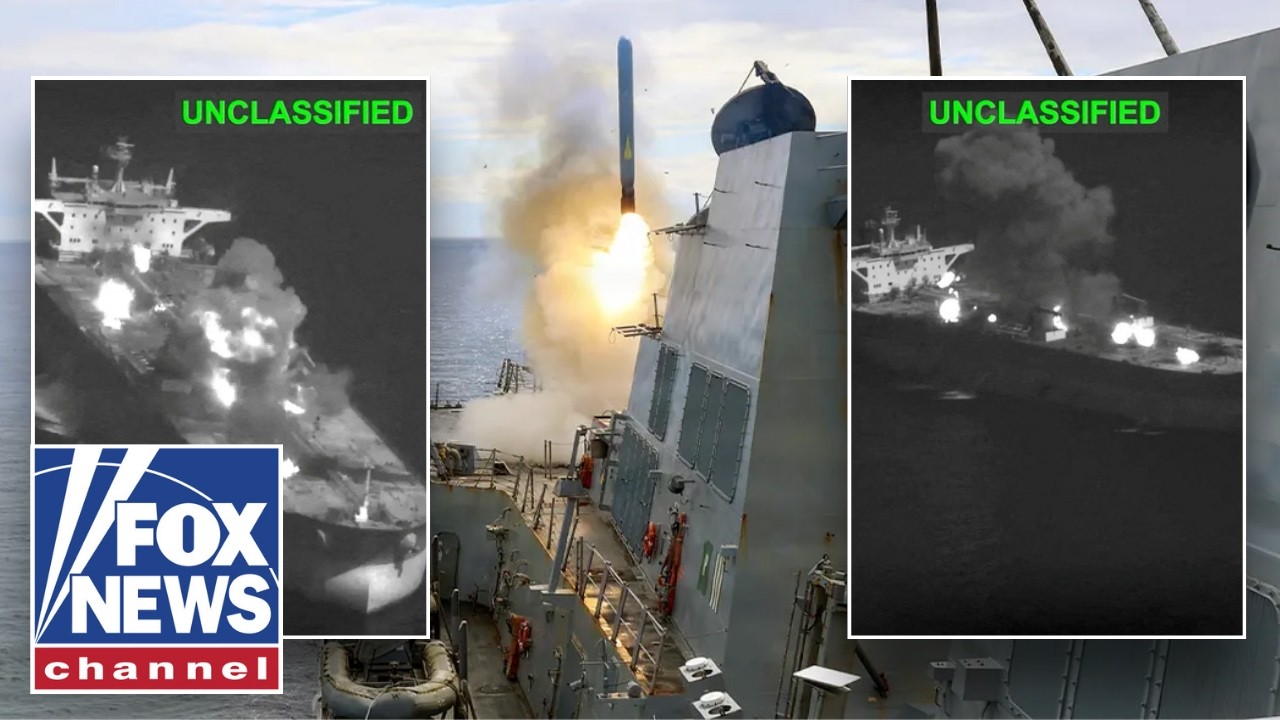
In response, the U.S. has made it clear it possesses the capability to target key Iranian infrastructure, specifically mentioning Kharg Island, a major oil terminal. However, the U.S. has also stated that there are no immediate plans to force the reopening of the strait, suggesting a measured approach to potential actions. This implies a strategy of targeted deterrence rather than an outright confrontation aimed at physically controlling the strait.
Ongoing Military Actions and Shifting Sands
Despite talk of pauses, military activities are fluid, with continuous operations and deployments shaping the immediate landscape. The largest U.S. carrier has been positioned for potential action, and regional allies are also engaged.
Intensified Strikes on the Horizon?
President Trump has alluded to the possibility of intensified U.S. strikes over a two-to-three-week period. This suggests a concentrated effort to achieve specific tactical gains or to send a strong message to Iran. The duration and intensity are subject to ongoing assessment of the situation and the desired outcomes.
The USS Gerald R. Ford’s Role
The departure of the USS Gerald R. Ford, one of the U.S. Navy’s newest and most powerful aircraft carriers, from Croatia and its positioning in the region is a significant development. Carriers are mobile airbases and command centers, capable of projecting substantial air power and supporting a wide range of operations. Its presence signals readiness and a capacity for immediate and sustained action in the area.
Regional Ally Operations
It’s also important to note that the regional security environment is not solely dictated by U.S. actions. Israel’s strikes in Tehran and against Hezbollah indicate that other regional players are also actively engaged in their own security operations, which can have a ripple effect on the broader geopolitical situation. These actions, while separate from U.S. operations, contribute to the overall regional tension and the decisions made by all parties involved.
International and Internal Adjustments
The situation isn’t just playing out militarily; there are also diplomatic maneuvers and internal U.S. military changes occurring that reflect the complexities of the current context.
UN Involvement and Authorizations
The United Nations Security Council has taken steps to address the situation, authorizing “all necessary measures” to ensure the safety of shipping in the Strait of Hormuz. This international authorization provides a framework for collective action and underscores the global importance of maintaining open shipping lanes. It signifies a degree of international consensus on the need to prevent disruptions to trade.
Changes within the U.S. Army Leadership
Amidst the ongoing discussions and potential for heightened conflict, there have been significant personnel changes within the U.S. Army’s leadership. The request for the Army’s top officer to step down can be interpreted in various ways, but it often reflects a desire for new leadership or a strategic realignment at a critical juncture. Such changes can signal internal reassessments of strategy or operational approaches.
FAQs
What is the current status of U.S. military operations?
The U.S. military has paused its operations in order to conduct a review of its activities and ensure compliance with international law and human rights standards.
Why have U.S. military operations been paused?
The pause in U.S. military operations is a result of concerns about civilian casualties and potential violations of international law during recent military actions.
How long will the pause in U.S. military operations last?
The duration of the pause in U.S. military operations is currently unclear, as it will depend on the outcome of the review and any necessary changes to military procedures and protocols.
What impact will the pause in U.S. military operations have on ongoing conflicts?
The pause in U.S. military operations may lead to a temporary reduction in military activities in certain regions, as the review process is expected to affect the planning and execution of future operations.
What steps is the U.S. military taking to address concerns about civilian casualties and international law violations?
The U.S. military has stated that it is committed to conducting a thorough review of recent military actions, implementing any necessary changes to procedures, and ensuring compliance with international law and human rights standards in future operations.


 One Place News