oneplacenews
So, you’re wondering what’s going on with Iran’s nuclear program and all those talks? It’s a complex picture, and honestly, there isn’t a simple “yes” or “no” answer to whether a deal is truly on the table or likely to stick. The core issue revolves around Iran’s nuclear capabilities, its regional actions, and the significant sanctions it faces. While there have been moments of intense negotiation, like those in February 2026, they ultimately hit roadblocks. Things got particularly heated after those talks stalled, leading to military actions. More recently, there have been attempts to forge ceasefires, some of which have touched upon the nuclear issue again. It’s a dynamic situation, and understanding the different positions and the broader regional context is key to grasping where things stand.
The February 2026 Talks: A Moment of Intense Negotiation
In early 2026, there was a concentrated effort to de-escalate tensions surrounding Iran’s nuclear program. Three rounds of talks took place in Geneva, with Oman playing a crucial mediating role. The focus was definitely on the big-ticket items: how much uranium Iran could enrich, the development of its ballistic missile program, and its support for various regional groups, often referred to as proxies.
What Was on the Table?
The United States, under President Trump at the time, came with a fairly clear set of demands. The overarching goal was to prevent Iran from ever developing nuclear weapons.
“Zero Enrichment” and Beyond
A significant point of contention was the concept of “zero enrichment.” The US pushed for Iran to cease all uranium enrichment activities. Iran, however, viewed its enrichment program as a sovereign right, particularly for peaceful energy purposes. Their counter-proposals often involved a pause in enrichment for specific periods or a commitment to dilute enriched uranium, rather than outright elimination.
Ballistic Missiles and Regional Influence
Beyond the nuclear fuel cycle, the US also sought to address Iran’s ballistic missile program and its involvement in regional conflicts. This is where the talks often became much broader, and more difficult to define clear pathways forward. Iran’s support for groups like Hezbollah in Lebanon and the Houthis in Yemen were seen by the US and its allies as destabilizing forces.
The Omani Role and “Major Breakthroughs”
Oman, a neutral neighbor, worked diligently to bridge the divide. At various points, Omani officials spoke of “major breakthroughs,” often in relation to Iran’s willingness to address its enriched uranium stockpile. For instance, Iran’s proposal on February 26th, which suggested allowing for future reactor fueling after a pause in enrichment, was seen by some as a step forward, though it didn’t meet the US demand for complete dismantlement of certain facilities or zero enrichment.
Disagreements Uncovered: Why Talks Collapsed
Despite periods of perceived progress, the fundamental disagreements between the US and Iran proved too significant to overcome in February 2026. The gap between what the US demanded and what Iran was willing to concede remained substantial.
The “Zero Enrichment” Hurdle
The idea of “zero enrichment” was a non-starter for Iran. They consistently argued that enrichment was essential for their energy needs and that any deal would have to accommodate this. The US position, however, was largely driven by the fear that a significant enrichment capacity could be quickly repurposed for weapons production.
Scope of the Deal
A major sticking point was the scope of any potential agreement. The US sought a comprehensive deal that would not only curb the nuclear program but also address Iran’s missile development and regional activities. Iran, on the other hand, often preferred to negotiate these issues separately or to see broader sanctions relief in exchange for more limited nuclear concessions.
Facility Access and Transparency
Iran’s willingness to allow enhanced International Atomic Energy Agency (IAEA) access to its nuclear facilities was often linked to sanctions relief. While Iran indicated a willingness to restore access, the extent and nature of that access, as well as the triggers for sanctions relief, were subjects of intense debate.
The Fallout: Military Action and Renewed Conflict
The collapse of the February 2026 negotiations was not just a diplomatic setback; it had immediate and severe real-world consequences. The breakdown in talks led directly to military actions, highlighting the volatile nature of the situation.
Operations ‘Epic Fury’ and ‘Roaring Lion’
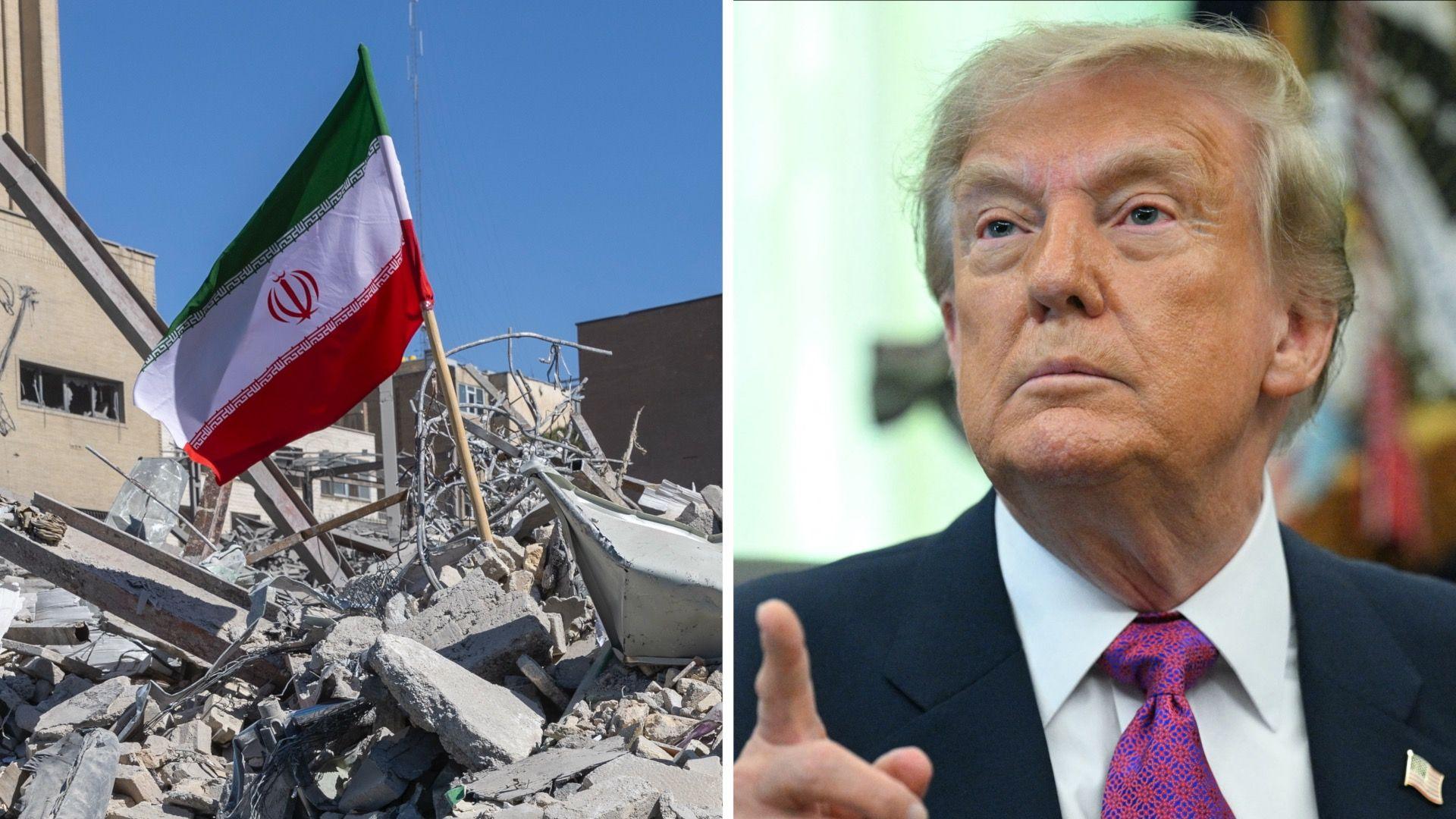
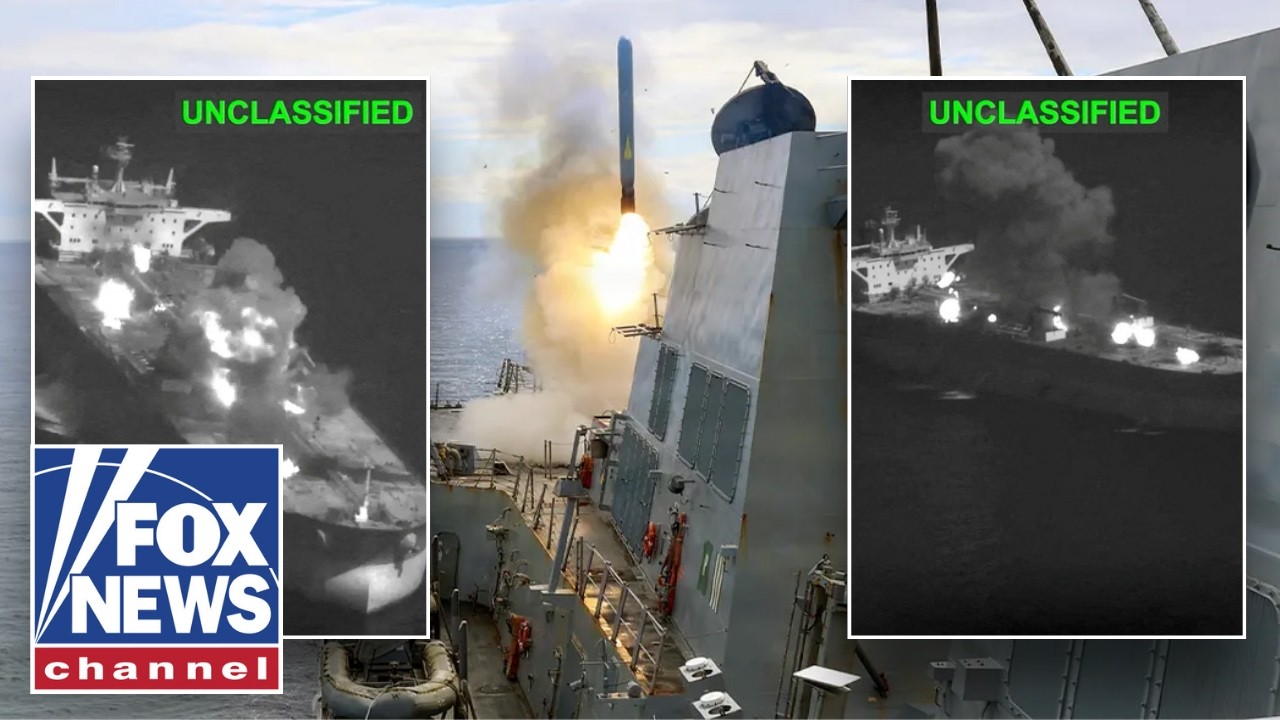
Within days of the talks officially stalling by February 28th, reports emerged of US and Israeli strikes targeting Iran. These operations, dubbed “Epic Fury” and “Roaring Lion,” were publicly justified, at least in part, by concerns over Iran’s nuclear program and its perceived defiance.
Justifications and Criticisms
The decision to launch military strikes after diplomatic efforts failed was controversial. Some argued it was a necessary response to a perceived intransigence on Iran’s part, while others criticized the US negotiators, suggesting they were ill-prepared and had perhaps not fully explored all avenues for de-escalation before the talks collapsed. The military actions undoubtedly heightened regional tensions and shifted the focus away from diplomatic solutions.
The April 2026 Ceasefire Push: A Desperate Measure?
Amidst the ongoing conflict that erupted after the February negotiations failed, a new attempt at de-escalation emerged in early April 2026. This time, the focus was on a broader ceasefire, with the nuclear program again becoming a potential bargaining chip.
A 45-Day Proposition
A proposal for a 45-day ceasefire was put on the table. This was a significant development, as it aimed to pause hostilities across the region and buy time for further negotiations.
Pakistan’s Mediation
Pakistan’s army chief played a key coordinating role in this push. Discussions involved high-level US officials, including Vice President JD Vance and envoy Steve Witkoff, alongside Iran’s Foreign Minister Abbas Araghchi. The involvement of global and regional actors underscored the gravity of the situation and the widespread desire to avoid further escalation.
Iran’s Stance on Strait of Hormuz
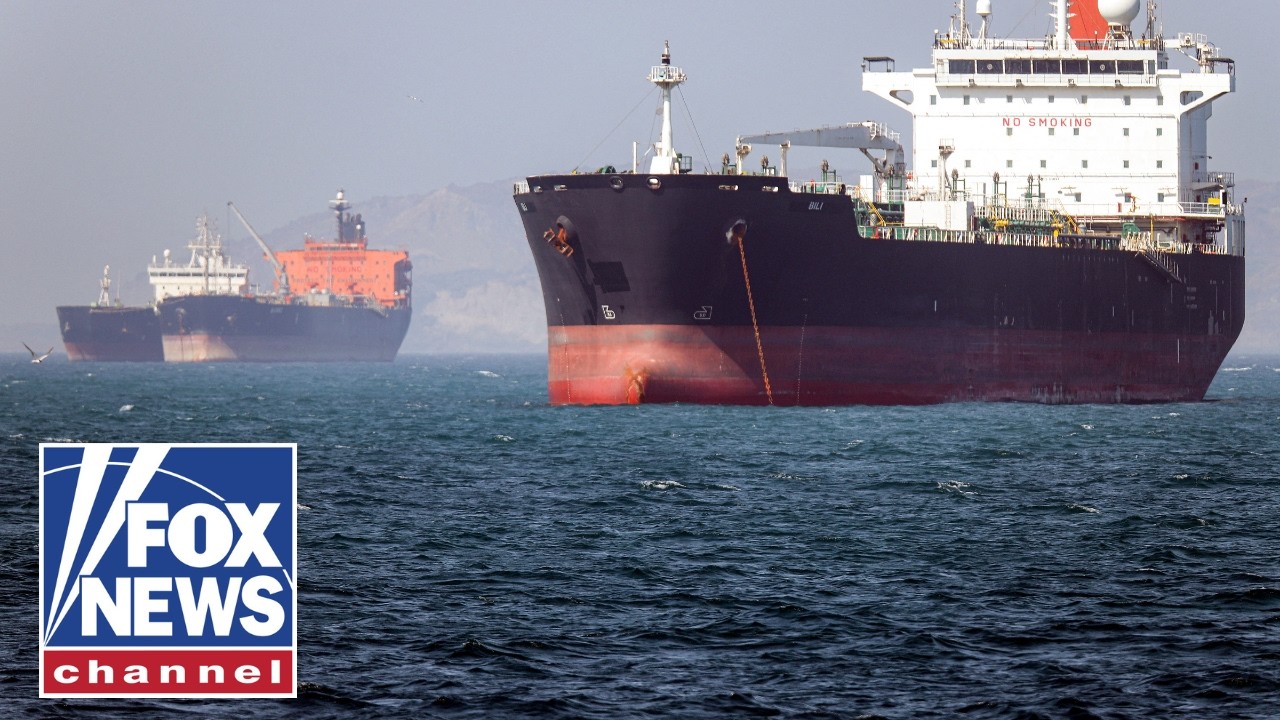
A critical point of contention during these ceasefire discussions was Iran’s refusal to reopen the Strait of Hormuz. This vital shipping lane has been a point of leverage for Iran in the past, and its continued closure or threat of disruption remained a major concern for global trade and regional stability. The potential for attacks on Gulf shipping, should the ceasefire falter, loomed large.
The Broader Geopolitical Landscape: 2025-26 and Beyond
Understanding Iran’s nuclear negotiations requires looking beyond the immediate tactical discussions. The period between 2025 and 2026 saw broader strategic objectives at play for the US, particularly under the Trump administration, which aimed to reshape regional dynamics.
Curbing Iran’s Regional Footprint
The overarching goal for the US during this period was to significantly curb Iran’s influence in the Middle East. This didn’t just mean stopping a nuclear weapon; it extended to its ballistic missile program and its network of regional allies.
Hezbollah, Houthis, and Proxy Warfare
The US viewed groups like Hezbollah and the Houthis as instruments of Iranian foreign policy that contributed to instability and conflict. Any comprehensive deal would inevitably need to address Iran’s support for these groups, a notoriously difficult challenge given the intertwined nature of these relationships.
The Unlikelihood of Permanent Facility Destruction
From Iran’s perspective, accepting the permanent destruction of its nuclear facilities was highly unlikely. They viewed their nuclear program, even if scaled back or constrained, as a strategic asset and a symbol of national sovereignty. While they might have been willing to make concessions on enrichment levels or stockpile management, giving up the infrastructure entirely would likely be seen as too great a concession, both politically and strategically. This fundamental difference in core interests has consistently been a major obstacle to a lasting agreement.
FAQs
What is the current status of Iran’s nuclear program?
As of [current year], Iran has continued to enrich uranium and has expanded its nuclear program, despite international efforts to curb its nuclear activities. The International Atomic Energy Agency (IAEA) has reported that Iran has exceeded the limits set by the 2015 nuclear deal, known as the Joint Comprehensive Plan of Action (JCPOA).
What is the Joint Comprehensive Plan of Action (JCPOA)?
The JCPOA, commonly referred to as the Iran nuclear deal, was an agreement reached in 2015 between Iran and the P5+1 (the United States, United Kingdom, France, Russia, China, and Germany). The deal aimed to limit Iran’s nuclear activities in exchange for the lifting of economic sanctions. However, in 2018, the United States withdrew from the agreement, leading to increased tensions and uncertainty surrounding Iran’s nuclear program.
What are the key issues in the negotiations surrounding Iran’s nuclear program?
Key issues in the negotiations include Iran’s uranium enrichment levels, the monitoring and verification of its nuclear activities, the lifting of economic sanctions, and the potential for Iran to develop nuclear weapons. The negotiations also involve the role of international organizations such as the IAEA in overseeing Iran’s compliance with any new agreements.
What are the positions of the major stakeholders in the negotiations?
The United States, European Union, Russia, China, and Iran are the major stakeholders in the negotiations. The United States has expressed a willingness to re-engage in diplomacy with Iran, while the European Union has sought to salvage the JCPOA. Russia and China have called for a return to the original terms of the JCPOA, while Iran has demanded the lifting of sanctions before it will consider returning to compliance with the agreement.
What are the potential implications of the negotiations for regional and global security?
The outcome of the negotiations could have significant implications for regional and global security. A failure to reach a new agreement could lead to further escalation of tensions in the Middle East and the potential for Iran to advance its nuclear program. On the other hand, a successful negotiation could contribute to stability in the region and reduce the risk of nuclear proliferation.

 One Place News