oneplacenews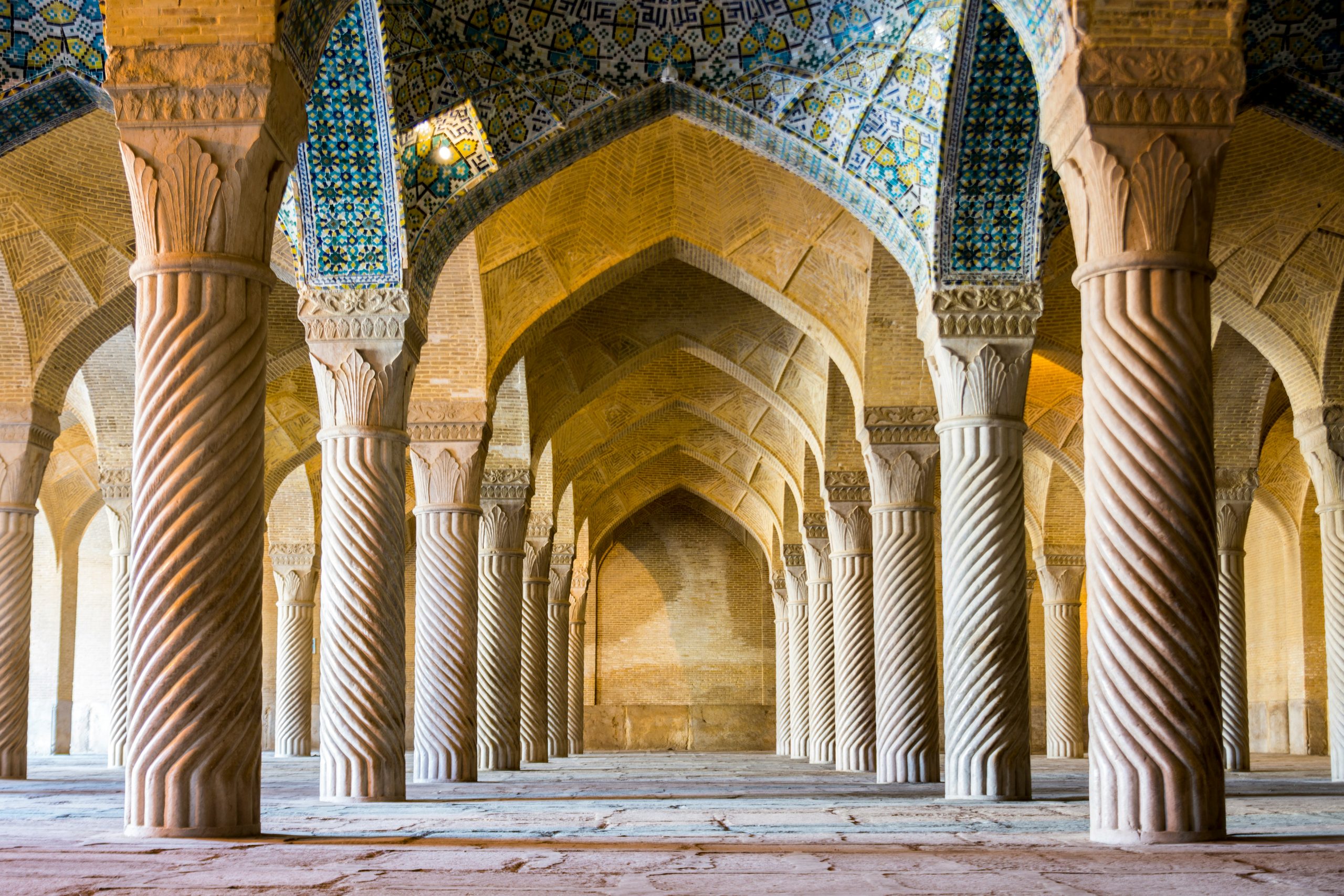
Navigating Iran’s Influence: Understanding the Complexities of Politics and Culture
Iran’s influence in the world is a topic that often sparks discussion, and for good reason. It’s a country with a rich history, a complex political landscape, and a vibrant culture that extends far beyond its borders. Understanding this influence isn’t about cheerleading or hand-wringing; it’s about grasping the practical realities of how Iran interacts with the world, both politically and culturally. This article aims to break down these complexities in a straightforward, everyday way, giving you the information you need to get a clearer picture.
When we talk about Iran’s influence, we’re not just talking about government policies or international relations, though those are significant. We’re also talking about the far-reaching impact of its art, literature, cuisine, and the experiences of its people, both inside and outside Iran. It’s a multifaceted picture, and one that’s constantly evolving. So, let’s dive in and see what makes up Iran’s influence.
When you hear about Iran in the news, it’s often dominated by political events. But what’s really going on beneath the surface? Understanding Iran’s political system is key to grasping its international actions and its domestic dynamics. It’s a system with unique checks and balances, and a history that shapes its present.
A Hybrid System: Clerics and Elected Officials
Iran operates as an Islamic Republic, which means it has a blend of religious and democratic elements. This can be confusing from an outsider’s perspective, as it doesn’t fit neatly into Western political boxes.
Supreme Leader: The Ultimate Authority
At the very top is the Supreme Leader, currently Ayatollah Ali Khamenei. This position holds significant power, not just over religious matters, but also over major political decisions, foreign policy, and the military. Think of it as the ultimate veto power, ensuring that policies align with the revolutionary ideology.
The President: Elected, But Within Limits
Then you have the President, who is elected by popular vote. This role is responsible for the day-to-day running of the government, appointing ministers, and implementing policies. However, the President’s authority is constrained by the Supreme Leader and other religious bodies. It’s a bit like being a CEO who has to get final approval from the board on all major moves.
Parliament: Debating and Lawmaking
Iran also has a parliament, the Majlis, where elected representatives debate and vote on legislation. This is where much of the public policy discussion happens, though again, any laws passed must ultimately be approved by a Guardian Council.
The Guardian Council: The Gatekeepers
The Guardian Council is a crucial body. It’s made up of jurists and Islamic scholars who vet parliamentary candidates and review legislation to ensure it’s compatible with Islamic law and the constitution. This gives them significant influence over who can run for office and what laws can be enacted.
Foreign Policy Drivers: A Complex Web
Iran’s foreign policy is shaped by a mix of historical grievances, regional ambitions, and its specific political ideology. It’s not a simple case of following one path; there are many factors at play.
Regional Competition: The Balance of Power
A major driver of Iran’s foreign policy is its relationship with its neighbors, particularly Saudi Arabia. This rivalry plays out in proxy conflicts and diplomatic maneuvering across the Middle East. Iran sees itself as a significant regional power and seeks to exert its influence accordingly.
The Nuclear Program: A Persistent Issue
Iran’s nuclear program has been a constant point of international contention and significantly impacts its foreign relations. The desire for nuclear capability, whether for energy, deterrence, or prestige, has led to sanctions and complex negotiations.
Anti-Imperialist Stance: Historical Roots
Historically, Iran has maintained an anti-Western, and particularly anti-American, stance. This is rooted in past interventions and perceived interference, shaping its approach to international partnerships and its skepticism towards Western-led initiatives.
Alliances and Partnerships: Shifting Sands
Iran engages in various alliances and partnerships, often with countries that share similar political outlooks or have common adversaries. These relationships can shift based on geopolitical developments.
Cultural Footprints: Beyond National Borders
Iran’s cultural legacy is immense and has a reach that extends far beyond its political influence. From ancient Persia to contemporary artistic movements, its culture offers a different lens through which to understand the country. This influence is often subtle, woven into the fabric of global appreciation for art, literature, and traditions.
The Power of Persian Literature and Poetry
Persian literature, particularly poetry, has a global reputation. Think of figures like Rumi, Hafez, and Saadi. Their works have been translated into countless languages and continue to inspire poets, writers, and thinkers worldwide. This is a form of influence that transcends political borders and connects with people on an emotional and intellectual level.
Rumi: A Universal Mystic
Rumi’s poetry, with its themes of love, divine connection, and spiritual longing, has found a massive audience in the West. His accessible language and profound insights resonate with people from diverse backgrounds, making him one of the best-selling poets in the United States.
Hafez and Saadi: Masters of Persian Verse
Hafez is celebrated for his lyrical beauty and philosophical depth, often exploring themes of love, wine, and divine grace. Saadi, on the other hand, is known for his moral tales and wisdom, offering practical guidance on life and ethics. Their influence on Persian culture and beyond is undeniable.
A Rich Artistic Heritage: From Miniatures to Modern Art
Iran boasts a long and distinguished artistic tradition. This heritage continues to evolve, with contemporary Iranian artists gaining international recognition for their innovative work.
The Art of the Miniature: A Timeless Craft
The intricate beauty of Persian miniature painting has captivated viewers for centuries. These detailed illustrations, often accompanying manuscripts, showcase remarkable skill and storytelling.
Contemporary Iranian Art Scene: Global Acclaim
Today, Iranian artists are making waves on the international scene. Exhibitions in major galleries and museums worldwide feature their paintings, sculptures, photography, and new media art. They often explore themes of identity, social commentary, and the human condition, bringing unique perspectives to global art conversations.
Cuisine: A Taste of Iran Around the World
Iranian cuisine is a flavorful and aromatic part of its cultural influence. Dishes like kebabs, Persian rice (chelow), and various stews are enjoyed by many, both within Iran and by the diaspora.
The Art of Persian Rice: A Staple of Hospitality
Chelow, fluffy rice often served with saffron, is a centerpiece of Iranian meals. Its preparation and accompanying dishes are deeply embedded in the culture of hospitality.
Flavorful Stews and Kebabs: A Culinary Journey
Ghormeh Sabzi (herb stew) and Fesenjan (pomegranate and walnut stew) are just a few examples of the complex and delicious flavors found in Iranian cooking. The variety of grilled meats, or kebabs, is also a quintessential part of the culinary experience.
The Iranian Diaspora: Ambassadors of Culture and Ideas

The Iranian diaspora, the communities of Iranians living outside Iran, play a significant role in spreading and maintaining Iranian culture abroad. These communities are often vibrant hubs that keep traditions alive and introduce new generations to their heritage.
Preserving Identity Abroad: Language and Traditions
Across the globe, from North America to Europe and Australia, Iranian communities strive to preserve their language, history, and cultural practices. This often involves community centers, language schools, and cultural events.
Farsi Classes and Cultural Gatherings: Keeping the Flame Alive
Many diaspora communities organize Farsi language classes for children and cultural festivals that celebrate Nowruz (Persian New Year) and other important holidays. These are crucial for maintaining a connection to their roots.
Bridging Cultures: New Perspectives
The diaspora also acts as a bridge between cultures, introducing Iranian traditions, literature, and cuisine to their adopted countries. This can foster greater understanding and appreciation.
A Voice for Change and Continuity: Diverse Perspectives
The diaspora’s perspective on Iran is often diverse, reflecting a range of political views and personal experiences. Some are actively involved in advocating for political change within Iran, while others focus on promoting cultural exchange and understanding.
Activism and Advocacy: Raising Awareness
From human rights advocacy to promoting artistic expression, many in the diaspora use their platforms to raise awareness about issues concerning Iran.
The Role of Media and Online Platforms
With the rise of the internet, diaspora media outlets and social media groups have become powerful tools for communication, discussion, and the dissemination of information among Iranians both inside and outside the country.
Economic Interactions: Trade, Sanctions, and Opportunities

Iran’s economic interactions are heavily influenced by international relations, particularly sanctions. However, this doesn’t mean there’s no economic activity or potential for engagement. Understanding the constraints and opportunities is key.
The Impact of Sanctions: A Constraining Factor
International sanctions have placed significant limitations on Iran’s ability to trade and engage in global financial markets. This has affected its economy, limiting imports and exports, and impacting investment.
Navigating Sanctions: Complexity and Adaptation
Businesses and governments that engage with Iran must navigate a complex web of sanctions regimes, which can change and evolve. This requires careful legal and financial due diligence.
Impact on Everyday Life: Inflation and Availability
For ordinary Iranians, sanctions can mean higher inflation, limited access to certain goods and services, and a difficult economic environment.
Potential for Trade and Investment: Looking Beyond Sanctions
Despite the challenges, Iran possesses significant natural resources, particularly oil and gas, and has a large, educated population. This presents potential opportunities for trade and investment in certain sectors, especially for countries less strictly aligned with sanctioning powers.
Key Sectors: Energy, Manufacturing, and Agriculture
The energy sector is obviously central, but Iran also has growing capabilities in manufacturing, petrochemicals, and agriculture. Opportunities for partnership can exist if the political climate allows and the legal frameworks are navigable.
The Role of Regional Trade: Neighbors and Partners
Iran maintains significant trade relationships with its neighbors, including Turkey, Iraq, and Central Asian countries. These regional economic ties are often more resilient than broader international engagement.
Soft Power and Cultural Diplomacy: Iran’s Global Appeal
| Category | Metric |
|---|---|
| Population | 83 million |
| Area | 1,648,195 square kilometers |
| Capital | Tehran |
| Official Language | Persian |
| Currency | Iranian rial (IRR) |
Beyond formal political or economic ties, Iran exercises “soft power” – the ability to attract and persuade through culture and values. This is where its artistic achievements, historical legacy, and, in some instances, its political narrative find a global audience.
Cultural Exchange Programs: Fostering Understanding
While sometimes limited by political tensions, Iran has historically engaged in cultural exchange programs, inviting foreign academics, artists, and students, and sending its own abroad. These interactions can build bridges of understanding.
Academic and Scientific Collaboration: Shared Knowledge
Despite political headwinds, there are often opportunities for academic and scientific collaboration between Iranian institutions and international researchers, particularly in fields like medicine and environmental science.
The Appeal of Iranian Cinema: Global Recognition
Iranian cinema has a well-deserved international reputation for its artistic merit and humanistic storytelling. Films by directors like Abbas Kiarostami, Asghar Farhadi, and Majid Majidi have won prestigious awards and resonated with audiences worldwide, showcasing a different, often more intimate, side of Iranian life.
The Narrative of Resistance: A Compelling Story for Some
For certain audiences, the narrative of Iran as a nation resisting perceived Western dominance or acting as a champion of certain regional causes can be compelling. This is a form of ideological attraction that shapes its influence, particularly within specific geopolitical contexts.
Ideological Alignment: Shared Grievances and Aspirations
In some parts of the world, Iran’s anti-imperialist rhetoric and its support for certain resistance movements find resonance, attracting attention and, in some cases, support.
Online Presence and Information Dissemination: The Digital Front
Iran actively uses online platforms and state-backed media to project its narratives and influence public opinion both domestically and internationally. This digital engagement is a crucial aspect of its soft power strategy.
In conclusion, Iran’s influence is a multifaceted phenomenon that can’t be reduced to a single headline or a simple descriptor. It’s a blend of its political system, its deep cultural roots, the contributions of its diaspora, its complex economic realities, and its use of soft power. Understanding these various threads allows for a more nuanced and practical grasp of how Iran interacts with the world. It’s about recognizing the different layers of its identity and engagement, and how they collectively shape its presence on the global stage.
FAQs
What is the location of Iran?
Iran is located in the Middle East, bordered by Iraq, Turkey, Armenia, Azerbaijan, Turkmenistan, Afghanistan, and Pakistan. It also has coastlines along the Caspian Sea and the Persian Gulf.
What is the population of Iran?
As of 2021, Iran has an estimated population of around 85 million people, making it the 18th most populous country in the world.
What is the capital of Iran?
The capital of Iran is Tehran, which is also the largest city in the country. Tehran is located in the northern part of Iran and serves as the political, economic, and cultural center of the country.
What is the official language of Iran?
The official language of Iran is Persian, also known as Farsi. It is spoken by the majority of the population and is the language of government, media, and education in the country.
What is the economy of Iran based on?
The economy of Iran is primarily based on the oil and gas industry, with the country having some of the world’s largest reserves of oil and natural gas. In addition to energy resources, Iran also has a diverse economy that includes agriculture, manufacturing, and services.

 One Place News