oneplacenews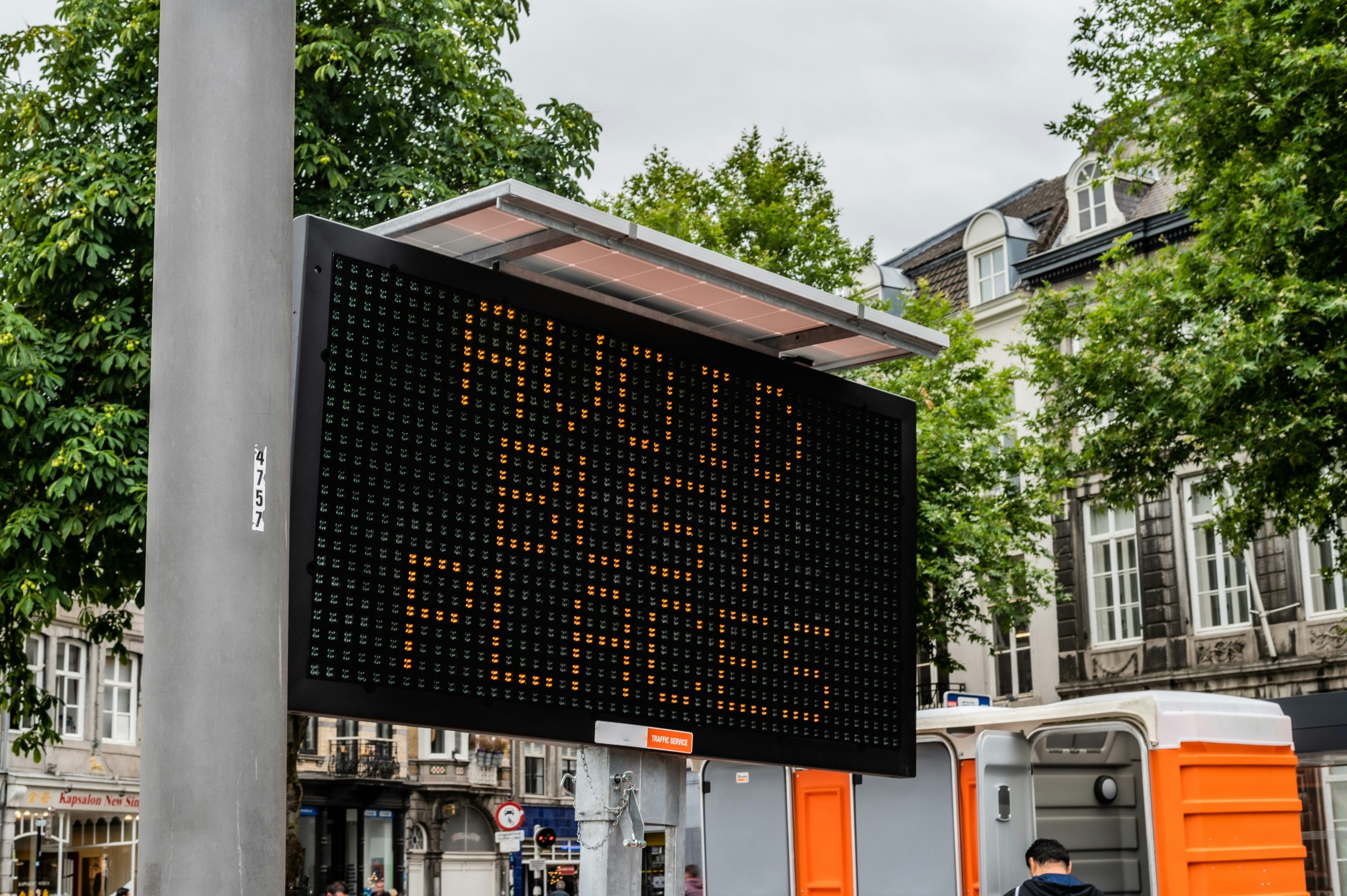
Ever wondered if those “be aware” messages popping up on your phone or local news are actually worth paying attention to? The shortest answer is yes, absolutely. Public safety warnings aren’t just background noise; they’re immediate, practical information designed to keep you, your family, and your community safer. Think of them as a heads-up from people whose job it is to anticipate and respond to risks. Ignoring them can range from a minor inconvenience to a serious threat. So, let’s unpack what these warnings really mean and how to make the most of them without getting overwhelmed.
Not all warnings are created equal, and knowing the difference can help you react appropriately. They often follow a hierarchy, from general advisories to urgent, life-threatening directives.
Advisory Warnings
These are typically issued for situations that might cause minor disruption or require a bit more caution than usual. Think of them as a heads-up that conditions are changing.
- Weather Advisories: This could be for dense fog, slick roads due to light ice, or strong winds that aren’t quite gale-force but could make driving difficult or blow over light objects. You might be advised to drive carefully or secure outdoor furniture.
- Health Advisories: These often relate to air quality warnings for sensitive groups (asthmatics, elderly), or perhaps a recommendation to boil water due to a problem with the local supply, but not a full-blown contamination scare. It’s about taking preventative steps.
- Traffic Advisories: Think of a heads-up about major construction that might slow commutes, or a planned large event that will close certain roads. It’s information to help you plan your route differently.
Watch Warnings
A “watch” indicates that conditions are favorable for a specific dangerous situation to develop in your area. It’s a stage of readiness.
- Severe Weather Watch: For example, a “tornado watch” means that tornadoes are possible in and near the watch area. It’s not happening yet, but the ingredients are there. Your job is to stay informed and be ready to act.
- Flood Watch: This means heavy rainfall is expected, and there’s a good chance of flooding in low-lying areas or near rivers. It’s time to review your flood plan and perhaps move valuables to higher ground.
Warning Alerts
This is where things get serious. A “warning” means the dangerous event is happening now or is imminent. Immediate action is usually required.
- Tornado Warning: A tornado has been spotted or indicated by radar. You need to seek shelter immediately. This isn’t a drill.
- Flash Flood Warning: A flash flood is occurring or about to occur. Get to higher ground as quickly and safely as possible.
- Active Shooter Warning: This is an urgent alert about a direct threat to public safety, often with instructions to shelter in place or evacuate.
Amber Alerts
These aim to recover abducted children. They’re critically time-sensitive and rely on public vigilance.
- Child Abduction in Progress: These alerts provide descriptions of the child, suspected abductor, and vehicle information. While not a direct threat to your safety, your immediate attention to shared details can be life-saving for the victim.
- Immediate Action Required: If you see a vehicle or person matching the description, report it to law enforcement immediately. Do not approach them yourself.
Silver Alerts
Similar to Amber Alerts, but for missing vulnerable adults, often those with cognitive impairments.
- Missing Elderly/Vulnerable Adults: These provide descriptions of missing individuals, their last known location, and any relevant health conditions. Again, your observation can be critical.
- Public Assistance: Like Amber Alerts, these rely on the public to keep an eye out and report any sightings directly to the authorities.
Why These Warnings Matter for You
It’s easy to become desensitized to warnings, especially if they don’t seem to directly affect you, or if they’re frequent. However, each warning is issued for a reason, and understanding that reason can shift your perspective from passive receipt to active engagement.
Personal Safety
This is the most obvious and direct impact. A timely warning can give you precious minutes or hours to make decisions that protect your physical well-being.
- Evacuation Orders: Knowing a hurricane is approaching gives you time to pack essentials, secure your home, and get to a safe location. Waiting until the last minute can lead to being stuck in dangerous conditions.
- Shelter-in-Place Directives: During a chemical spill or an active threat, staying indoors, away from windows, and sealing off your home can be crucial.
- Health Precautions: A boil water advisory, for instance, prevents illness. Ignoring it could mean days of being sick.
Property Protection
Many warnings offer the chance to mitigate damage to your home, car, or other possessions.
- Flood Preparation: If a flood watch is issued, you might have time to move valuables off the floor, sandbag doorways, or move your car to higher ground.
- Severe Storm Preparation: Securing loose outdoor items, parking vehicles away from large trees, or bringing in sensitive electronics can prevent costly damage.
- Wildfire Alerts: If you live in an area prone to wildfires and receive a warning, clearing brush around your property or implementing defensible space measures could save your home.
Community Resilience
Your individual actions contribute to the overall safety and resilience of your community. When people heed warnings, emergency services are less overwhelmed.
- Reduced Strain on Emergency Services: If fewer people are caught off guard during a storm or emergency, paramedics, firefighters, and police can focus on critical rescues and maintaining order, rather than responding to preventable incidents.
- Faster Recovery: A community that effectively prepares and responds to warnings generally recovers faster from a crisis. Less damage and fewer injuries mean less time and resources spent on initial response and more on rebuilding.
- Informed Decisions: When you’re informed, you can contribute to public safety discussions, advocate for better community planning, and even volunteer to help others.
How to Stay Informed (Without Drowning in Information)

In our always-on world, information overload is a real risk. The goal isn’t to consume every piece of news, but to get reliable, timely warnings effectively.
Official Government Channels
These are your primary sources for accurate and actionable warnings.
- Emergency Alert System (EAS) & Wireless Emergency Alerts (WEA): These are sent directly to your phone. They’re designed to be disruptive because the information is critical. Don’t disable them.
- National Weather Service (NWS) & Local Weather Authorities: Websites, apps, and local TV/radio stations often source directly from the NWS.
- Local Emergency Management Agencies: Your county or city often has a dedicated office or website. They frequently offer opt-in text or email alerts specific to your immediate area.
- Police and Fire Departments: Follow their official social media accounts or sign up for their local alert systems, if available. They often provide real-time updates on local incidents.
Reliable News Outlets
Stick to established news organizations that prioritize accuracy.
- Local News Stations (TV/Radio): Often have dedicated teams tracking local emergencies and providing detailed, location-specific information.
- Reputable Newspapers/Online Media: These can provide important context and follow-up information once the initial threat has passed. Be wary of hyper-partisan or sensationalist sources.
Community Networks
Sometimes the fastest information comes from your neighbors, but always cross-reference.
- Nextdoor or Local Social Media Groups: These can be good for hyper-local observations (e.g., “power is out on Maple Street,” “tree down on Oak Avenue”). However, these are prone to misinformation, so verify anything critical with an official source.
- Neighborhood Watch Programs: If your community has one, it can be a good conduit for non-urgent safety information and best practices.
Practical Steps to Take When a Warning is Issued

Receiving a warning is one thing; knowing what to do with it is another. Having a basic plan, even a mental one, can make a significant difference.
Understand the Risk
Don’t just react to the alert; try to grasp what it means for your specific situation.
- Assess Proximity: Is the warning for your immediate town, your county, or a broader region? The closer it is, the more immediate your need to act.
- Consider Your Location: Are you at home, at work, commuting, or outdoors? Your response will vary significantly depending on where you are.
- Evaluate Your Vulnerability: Do you have dependents (children, elderly family members)? Do you have mobility issues? Is your home particularly susceptible to certain dangers (e.g., in a flood plain)?
Develop a Basic Action Plan
You don’t need a military-level strategy, but a general idea of what to do for common threats is invaluable.
- Evacuation Route: Know at least two ways out of your home/neighborhood and where you would go (friend’s house, shelter). Practice it.
- Shelter-in-Place Knowledge: Know where the safest place in your home is for different threats (e.g., interior room for tornadoes, highest floor for floods, away from windows for active threats).
- Communication Plan: Discuss with family members how you’ll communicate if cell service is down. Designate an out-of-town contact.
- Emergency Kit: Have essential supplies ready: water, non-perishable food, first-aid, medications, essential documents, flashlight, battery bank, and a hand-crank radio.
Act Decisively, Not Panicked
Once you’ve understood the warning and have a plan, execute it calmly and efficiently.
- Follow Instructions: If authorities say evacuate, do so. If they say shelter in place, comply. Their expertise is based on real-time data and best practices.
- Don’t Hesitate: Delaying action to “wait and see” can put you in greater danger, especially with fast-moving threats like tornadoes or flash floods.
- Help Others (if Safe): Once your immediate safety is secured, if you can safely help neighbors, especially the vulnerable, do so. This strengthens community bonds and resilience.
Avoiding Misinformation and Alarm Fatigue
| Date | Location | Type of Alert | Description |
|---|---|---|---|
| 2022-05-15 | Main Street | Weather | Severe thunderstorm warning |
| 2022-05-20 | City Park | Public Safety | Missing person alert |
| 2022-05-25 | Downtown Area | Health | COVID-19 outbreak alert |
It’s a balancing act: staying informed without becoming overwhelmed or ignoring warnings altogether.
Verify Information
Before you share or act on information heard through unofficial channels, verify it.
- Cross-Reference: Check at least two official sources (e.g., local emergency management website and a major news outlet) before believing or spreading a warning.
- Look for Official Logos/Sources: Official government communications will have clear identification. Be wary of anonymous posts or sources that lack credibility.
- Beware of Sensationalism: If something sounds too dramatic or unbelievable, it likely is. Misinformation often relies on emotional triggers.
Manage Alarm Fatigue
Regular exposure to warnings, especially those that don’t directly impact you, can lead to ignoring them.
- Customize Alerts: Many systems allow you to tailor the types of alerts you receive and for specific geographical areas. This reduces irrelevant noise.
- Understand the “Why”: Rather than just dismissing an alert, take a moment to understand why it was issued. This can help you appreciate its relevance, even if you don’t need to act immediately.
- Focus on Actionable Information: Filter out the noise and concentrate on what specific actions, if any, are being recommended or required. If no action is needed from you, simply be aware.
- Take Breaks: Don’t constantly refresh news feeds during non-critical times. It’s okay to step away from screens and news for your mental well-being.
Ultimately, public safety warnings are a tool. They’re only effective if understood and acted upon. By knowing what to look for, where to get reliable information, and having a basic plan, you can significantly improve your safety and contribute to a more resilient community. Stay aware, stay safe.
FAQs
What are public safety alerts?
Public safety alerts are notifications issued by government agencies or law enforcement to inform the public about potential threats to their safety, such as severe weather, natural disasters, or criminal activity.
How are public safety alerts distributed to the public?
Public safety alerts are typically distributed through various channels, including emergency alert systems, mobile phone alerts, social media, local news outlets, and public address systems in public spaces.
What types of events warrant a public safety alert?
Events that warrant a public safety alert include severe weather conditions (such as tornadoes, hurricanes, or blizzards), natural disasters (such as earthquakes or wildfires), hazardous material spills, public health emergencies, and criminal activity (such as active shooter situations or missing persons).
Who issues public safety alerts?
Public safety alerts are typically issued by government agencies, such as the National Weather Service, Federal Emergency Management Agency (FEMA), local law enforcement agencies, and public health departments.
How can individuals stay informed about public safety alerts?
Individuals can stay informed about public safety alerts by signing up for local emergency notification systems, following government agencies and local law enforcement on social media, staying tuned to local news outlets, and being aware of their surroundings in public spaces.