oneplacenews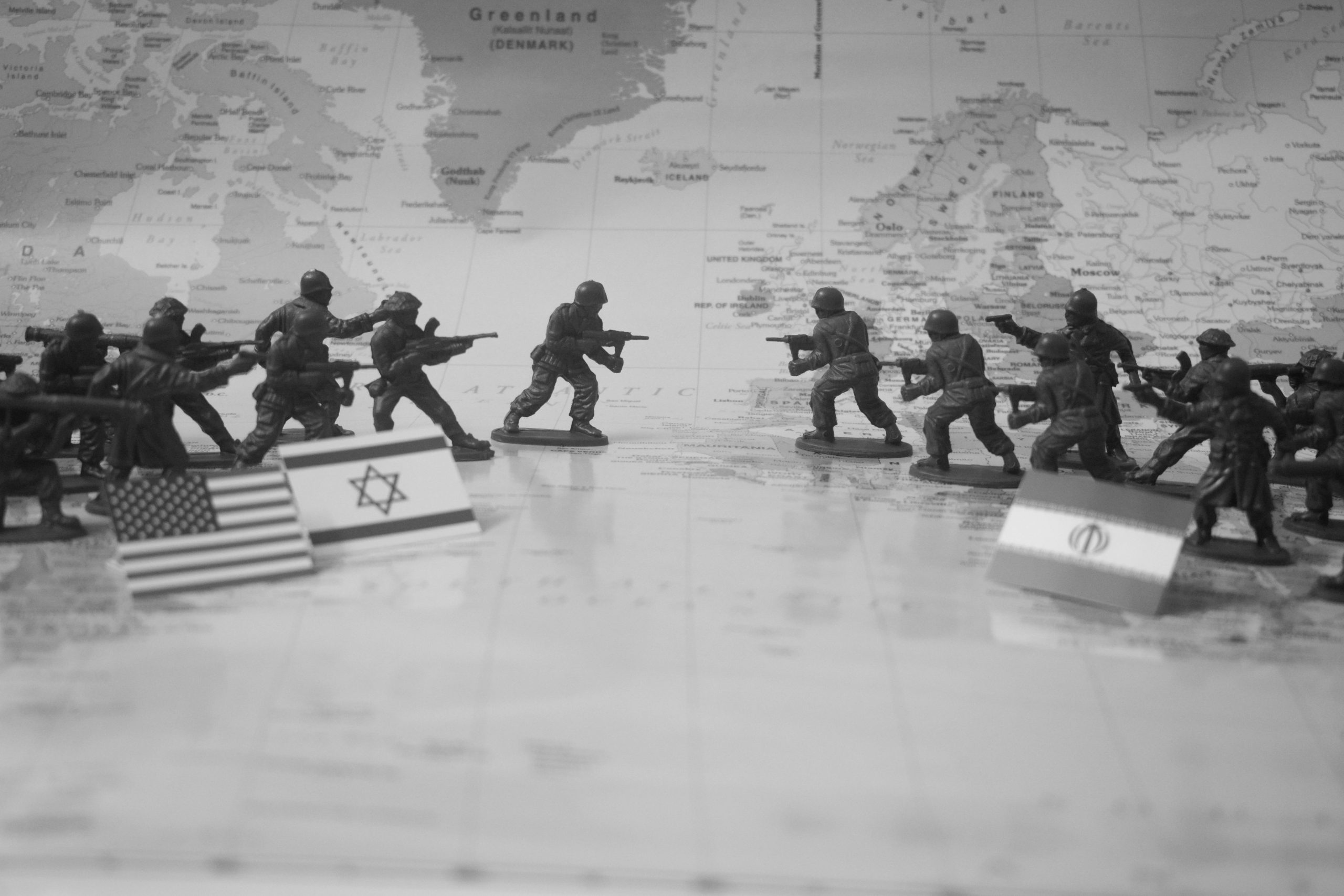
Is there an escalating conflict between Iran and Israel? Yes, and it’s complicated. While a direct, full-blown war hasn’t erupted on the scale of historical interstate conflicts, the dynamic between Iran and Israel has undeniably intensified in recent years, evolving from a cold war of proxies to something much hotter. We’re seeing more direct engagements and a significant increase in the frequency and severity of their clashes, even if they often happen in the shadows or through intermediaries.
The Shifting Sands of Conflict
For decades, the interaction between Iran and Israel was largely characterized by a “shadow war.” This meant indirect confrontation, often through proxies, cyberattacks, and intelligence operations. Israel targeted Iranian nuclear facilities and scientists, while Iran supported groups like Hezbollah and Hamas, which then launched attacks against Israel. This dynamic is changing, and the shadows are thinning.
Direct Confrontation: A New Era?
Recent events suggest a move towards more direct engagement. This isn’t just about rhetoric; it’s about actions. We’ve witnessed a series of incidents that go beyond the traditional proxy warfare.
Syrian Skirmishes
Syria has become a primary battleground for this direct confrontation. Israel has openly admitted to conducting numerous airstrikes in Syria, targeting Iranian military assets and weapons shipments destined for Hezbollah. These strikes are no longer deniable or ambiguous; they’re precise operations aimed at degrading Iran’s regional military infrastructure.
What’s noteworthy is the increasing willingness of both sides to acknowledge these operations, at least implicitly. This marks a departure from the past where such actions were often attributed to unnamed sources or remained officially unconfirmed.
Naval Engagements in the Gulf
Beyond Syria, there have been reports of tit-for-tat attacks on commercial vessels in the Persian Gulf and Arabian Sea. While neither side officially claims responsibility, intelligence agencies and analysts widely believe these incidents are part of the broader Iran-Israel conflict. These attacks target tankers and cargo ships belonging to or associated with the opposing party, aiming to disrupt trade and exert economic pressure.
This naval component adds another layer of complexity, extending the conflict’s reach to vital shipping lanes and potentially impacting global energy markets.
Cyber Warfare Intensifies
Cyberattacks have always been a feature of this conflict, but their sophistication and impact have grown. Critical infrastructure, including power grids and water systems, has been targeted. These attacks demonstrate a willingness to inflict damage beyond military targets, potentially impacting civilian populations and causing significant disruption. The attribution of these attacks is often difficult, making it a convenient tool for both sides to engage in hostilities without direct military confrontation.
The implications for national security and the everyday lives of citizens on both sides are significant. A successful cyberattack on a critical system could have devastating consequences, rivaling those of a conventional military strike.
The Nuclear Program: A Persistent Worry
Iran’s nuclear program remains a central and deeply contentious issue. Israel views a nuclear-armed Iran as an existential threat, and its rhetoric and actions consistently reflect this concern. The 2015 Joint Comprehensive Plan of Action (JCPOA), or Iran nuclear deal, aimed to curb Iran’s nuclear ambitions in exchange for sanctions relief. However, the US withdrawal from the deal in 2018 and subsequent Iranian actions have complicated the situation considerably.
Iranian Enrichment and Israeli Red Lines
Since the US withdrawal, Iran has steadily increased its uranium enrichment levels, moving closer to weapons-grade material. This accelerated enrichment, coupled with restrictions on international inspectors, has raised alarms in Washington, Jerusalem, and other capitals. Israel has repeatedly stated that it will not tolerate a nuclear-armed Iran and maintains that all options are on the table to prevent it.
The very public debates about “red lines” and “trigger points” highlight the extreme tension surrounding this issue. Each advancement by Iran in its nuclear program is met with heightened levels of concern and potentially aggressive countermeasures from Israel.
The Role of International Diplomacy
Efforts to revive the JCPOA have been long and arduous, often punctuated by stalemates and setbacks. The challenges are numerous, including Iran’s demands for sanctions relief, its continued nuclear advancements, and the lingering distrust between all parties involved.
The international community, particularly the remaining signatories to the JCPOA (UK, France, Germany, Russia, and China), are caught in a delicate balancing act, attempting to de-escalate tensions while finding a diplomatic solution. However, the clock is ticking, and the window for diplomacy may be closing.
Regional Proxies and the “Axis of Resistance”
Iran has cultivated a network of proxies across the Middle East, often referred to as the “Axis of Resistance.” These groups, though not always directly controlled by Tehran, receive significant financial, military, and logistical support. They serve as a crucial component of Iran’s regional strategy to project power and counter what it perceives as Israeli and American influence.
Hezbollah in Lebanon
Hezbollah is arguably the most powerful and well-equipped of Iran’s proxies. Operating out of Lebanon, it possesses a vast arsenal of rockets and missiles capable of reaching deep into Israel. Its involvement in the Syrian civil war, fighting alongside the Assad regime, has further honed its military capabilities and expanded its operational experience.
The potential for a full-scale conflict between Israel and Hezbollah remains a constant threat, and any major escalation between Iran and Israel would likely involve Hezbollah opening a second front.
Hamas and Palestinian Islamic Jihad in Gaza
In the Gaza Strip, Iran provides support to Hamas and Palestinian Islamic Jihad (PIJ). While these groups also have their own agendas and sources of funding, Iranian assistance is crucial for their military capabilities, particularly in rocket technology and training.
The periodic flare-ups in Gaza often draw in Iran indirectly, as Israel holds Tehran responsible for arming and funding these groups. Any significant escalation in Gaza could quickly become entangled in the broader Iran–Israel conflict.
Houthi Rebels in Yemen
While geographically distant, the Houthi rebels in Yemen also receive Iranian support. Their missile and drone attacks on Saudi Arabia and Emirati targets, and more recently on shipping in the Red Sea, are seen by some as an extension of Iran’s strategy to disrupt regional stability and challenge rivals.
Although not directly targeting Israel, the Houthis’ actions contribute to the overall regional tensions and demonstrate Iran’s broad reach through its proxy network.
The Broader Geopolitical Context
The Iran-Israel conflict doesn’t exist in a vacuum. It is deeply intertwined with broader geopolitical dynamics in the Middle East and beyond. The involvement of global powers, regional alliances, and internal political considerations on both sides all play a significant role in shaping the conflict’s trajectory.
US Policy and Iranian Sanctions
US policy towards Iran has been inconsistent, oscillating between engagement and “maximum pressure.” The current administration is attempting to balance the desire for a renewed nuclear deal with concerns about Iran’s regional behavior and human rights record. US sanctions continue to exert significant economic pressure on Iran, impacting its ability to fund its proxies and develop its military programs.
American policy decisions have a direct impact on the dynamics of the Iran-Israel conflict, either by emboldening one side or creating opportunities for de-escalation.
The Abraham Accords and Regional Alignment
The Abraham Accords, which saw several Arab nations normalize relations with Israel, have shifted regional alliances. These accords are partly motivated by a shared concern over Iranian aggression and influence. This emerging front against Iran has complicated the regional security landscape, potentially creating new fault lines and opportunities for cooperation among former adversaries.
The question remains how these new alliances will impact the Iran-Israel dynamic, and whether they will lead to greater regional stability or further polarization.
Internal Pressures and Political Calculi
Both Iran and Israel face significant internal pressures that influence their foreign policy decisions. In Iran, the regime grapples with economic hardship, social unrest, and political dissent. Its regional actions are often viewed through the lens of maintaining internal legitimacy and projecting strength.
In Israel, political stability is often contingent on a strong stance against perceived threats, particularly from Iran. The need to demonstrate resolve and protect national security is a paramount concern for any Israeli government. These internal political dynamics can sometimes drive escalation or limit diplomatic flexibility.
What Lies Ahead?
Predicting the future of the Iran-Israel conflict is challenging, to say the least. The situation remains highly volatile, with numerous potential flashpoints that could trigger a wider conflict.
Scenarios for Escalation
Several scenarios could lead to further escalation. A major Israeli strike on Iranian nuclear facilities, a significant Iranian proxy attack on Israel, or a direct naval confrontation in the Persian Gulf are all possibilities. Any of these events could rapidly spiral out of control, drawing in other regional and international actors.
The lack of direct communication channels and deeply entrenched mistrust between the two sides further increases the risk of miscalculation.
The Tightrope of Deterrence
Both Iran and Israel operate under a complex web of deterrence. Each side seeks to deter the other from taking actions that cross their respective red lines. However, the effectiveness of deterrence is constantly being tested, and the lines themselves are continually shifting.
Maintaining a credible deterrent without provoking an all-out war is a delicate balancing act that both countries are attempting to manage.
The Search for De-escalation
Despite the grim outlook, there’s always a glimmer of hope for de-escalation. Diplomatic efforts, even if currently stalled, remain crucial. The international community, particularly the major powers, has a vested interest in preventing a regional war that would have devastating global consequences.
Finding off-ramps and establishing mechanisms for communication, even indirect ones, could help reduce the risk of accidental escalation and pave the way for future dialogue. The conflict is real, it’s escalating, and it demands constant attention and understanding from anyone following global affairs.
FAQs
What is the current situation between Iran and Israel?
The relationship between Iran and Israel has been strained for decades, with both countries engaging in hostile rhetoric and actions towards each other. Tensions have escalated in recent years due to Iran’s nuclear program and its support for militant groups in the region.
Has there been a war between Iran and Israel?
As of now, there has not been a full-scale war between Iran and Israel. However, there have been numerous incidents of indirect conflict, including airstrikes, cyber attacks, and proxy warfare in countries such as Syria and Lebanon.
What are the main reasons for the tensions between Iran and Israel?
The main reasons for the tensions between Iran and Israel include Iran’s nuclear ambitions, its support for militant groups such as Hezbollah, and its anti-Israel rhetoric. Israel sees Iran as a threat to its security and has taken measures to counter Iran’s influence in the region.
How has the international community responded to the tensions between Iran and Israel?
The international community has expressed concern over the escalating tensions between Iran and Israel. Efforts have been made to address Iran’s nuclear program through diplomatic means, including the Joint Comprehensive Plan of Action (JCPOA) in 2015, which aimed to limit Iran’s nuclear activities in exchange for sanctions relief.
What are the potential consequences of a war between Iran and Israel?
A war between Iran and Israel could have serious implications for the entire region, leading to widespread destruction, loss of life, and further destabilization. It could also draw in other countries and have global repercussions, including economic and security impacts. Diplomatic efforts to de-escalate tensions and find peaceful solutions are crucial to preventing such a scenario.

 One Place News