oneplacenews
Alright, let’s talk about this U.S.-Iran situation. It’s a complex, evolving story, but the short answer to the potential for a diplomatic resolution lies in the recent proposals exchanged. Iran put forward a 10-point plan on April 7, 2026, through Pakistan, signaling a willingness to engage, even as the U.S. side found it insufficient. This move is significant because it highlights a pathway, however rocky, towards de-escalation and a potential diplomatic off-ramp from the current conflict.
The Latest from Tehran: Iran’s 10-Point Proposal
On April 7, 2026, Iran made a notable move by presenting a 10-point proposal. This wasn’t just a casual suggestion; it was formally delivered via Pakistan and aimed at laying the groundwork for ending the ongoing conflict with the U.S. and Israel. This proposal came as a direct rejection of a prior 15-point ceasefire plan from the U.S., showing Iran’s clear intent to set its own terms for a potential resolution.
What’s in the Iranian Demands?
While the full 10 points haven’t been publicly shared in their entirety, some key demands have surfaced. These give us a pretty good idea of Iran’s priorities:
- Guarantees Against Future Aggression: This is a big one. Iran wants assurances that once any deal is struck, there won’t be follow-up attacks or attempts to undermine their security. It’s about more than just stopping the current fight; it’s about preventing a recurrence.
- Lifting All Sanctions: Predictably, Iran is pushing for an end to the economic pressures it has faced. This includes not just current sanctions but also a general commitment to roll back punitive economic measures.
- Ending Regional Conflicts: Iran’s proposal touches on wider regional stability. Specifically, it seeks an end to ongoing conflicts, citing examples like Israeli strikes on Hezbollah. This shows their interest in a broader de-escalation that extends beyond just their direct confrontation with the U.S.
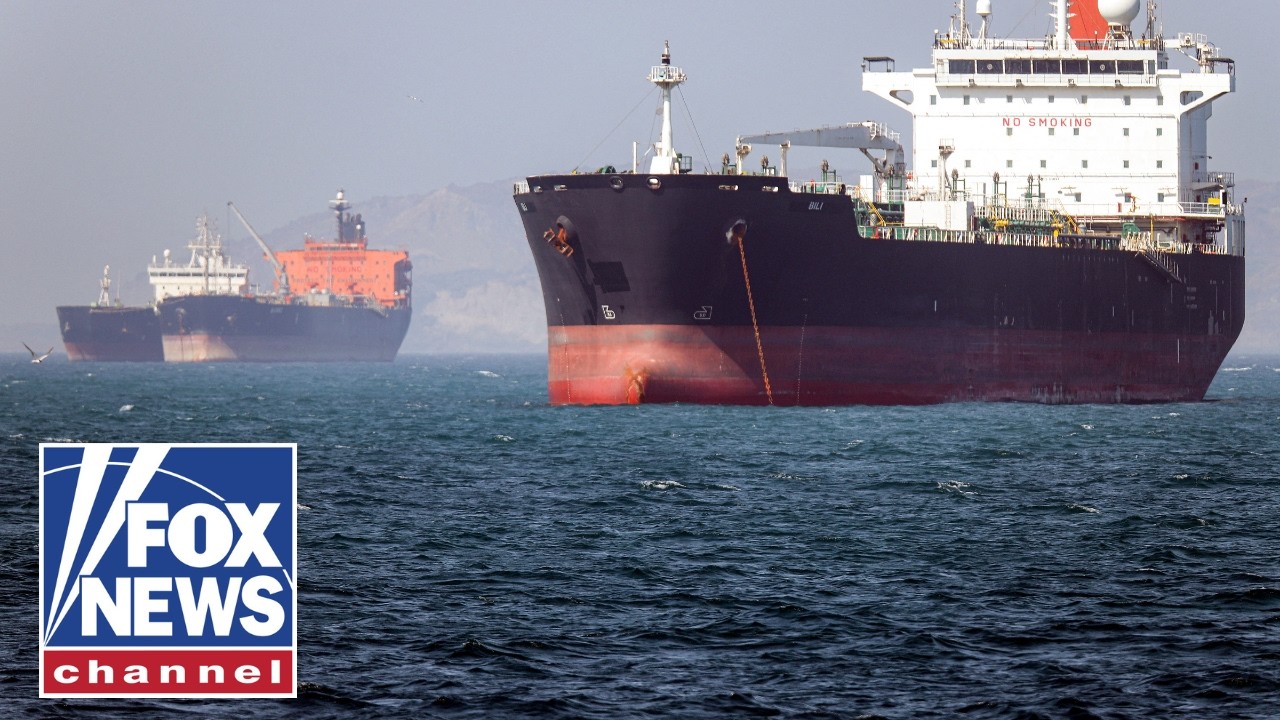
- Safe Passage Through the Strait of Hormuz: This is vital for global energy markets and for Iran itself. Ensuring unimpeded, safe transit through this critical waterway is a clear priority.
- War Reconstruction: With ongoing conflict since 2025, there’s been considerable damage. Iran’s proposal includes provisions for reconstruction, implying they expect some form of international support or acknowledgment of these costs.
These points together paint a picture of Iran seeking not just an end to hostilities but a comprehensive agreement that addresses its security, economic, and regional concerns.
The U.S. Response: “Not Good Enough”
President Trump’s reaction to Iran’s 10-point plan was swift and, frankly, blunt. He called it a “significant step but not good enough.” This tells us a couple of things: first, the U.S. acknowledges the proposal as a serious diplomatic overture, which is important. Second, it’s clear there’s still a significant gap between what Iran is asking for and what the U.S. is willing to concede.
Rejection of Short-Term Ceasefires
Beyond the overall proposal, the U.S. also rejected a separate, shorter-term ceasefire offer. This was a 45-day ceasefire proposed by intermediaries like Pakistan, Egypt, and Türkiye. The U.S. stance here is consistent with Iran’s own stated position: temporary ceasefires often allow for regrouping rather than leading to lasting resolutions.
The Strait of Hormuz Ultimatum
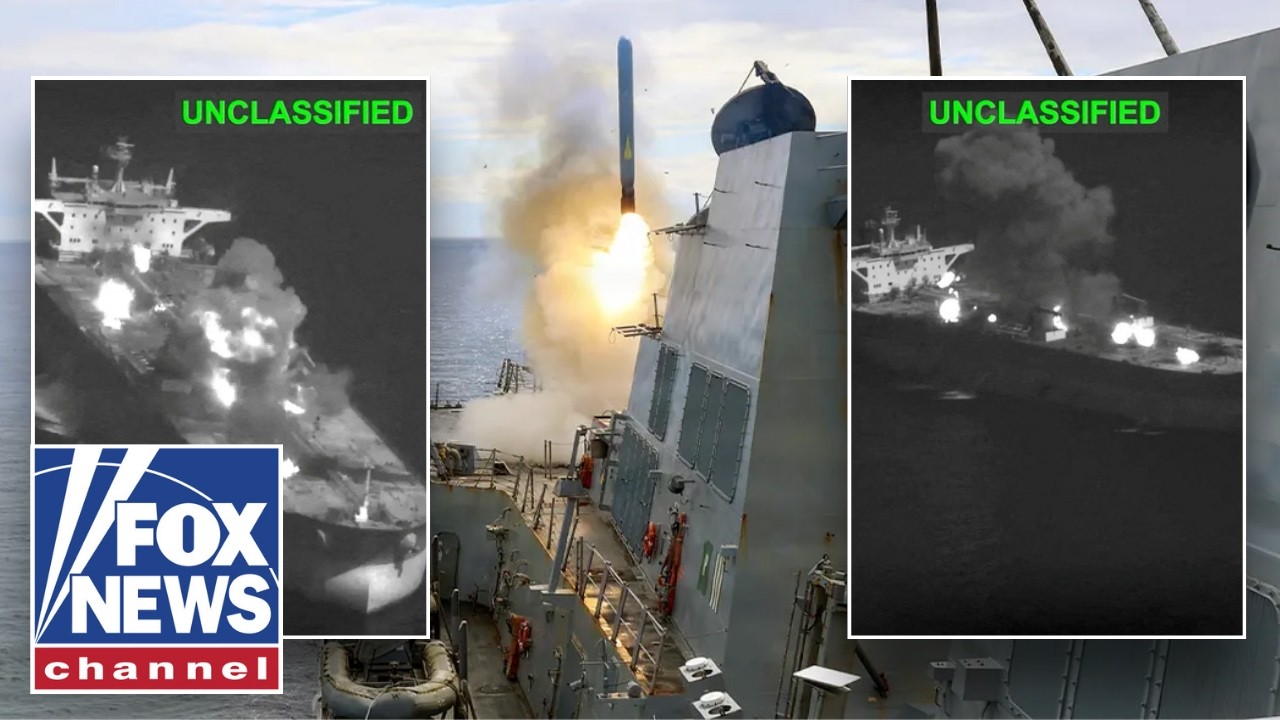
Perhaps the most impactful part of the U.S. response was the ultimatum concerning the Strait of Hormuz. President Trump demanded that Iran ensure the Strait is open by the evening of April 7 (U.S. time). The alternative presented was stark: face strikes on Iranian infrastructure. This kind of ultimatum significantly raises the stakes and puts immense pressure on Iran to comply. It underscores the U.S. commitment to keeping this vital shipping lane open, even at the risk of further military action.
Iran’s Stance on Ceasefires: Seeking Permanent Resolution
It’s interesting to note that Iran’s Foreign Ministry articulated a similar concern about short-term ceasefires, albeit from their own perspective. They stated that “ceasefires allow regrouping,” emphasizing their insistence on a permanent resolution rather than temporary pauses in fighting.
Why No Full Public Disclosure?
We don’t have the full text of Iran’s 10-point proposal publicly available yet. This isn’t unusual in high-stakes diplomacy; often, proposals are kept under wraps to allow for flexibility in negotiations and to prevent premature public debate that could harden positions. However, it does make it harder for external observers to fully evaluate the specifics of their demands. We do know, however, that this 10-point plan was presented as a counter-proposal to the U.S. 15-point plan sent in late March, indicating a back-and-forth negotiating dynamic.
Intermediaries and the Ongoing Negotiations
The fact that Pakistan delivered Iran’s proposal highlights the crucial, though often quiet, role of intermediaries in this conflict. Countries like Pakistan, Egypt, and Türkiye have been actively involved in trying to bridge the gap between the U.S. and Iran.
The Role of Pakistan
Pakistan, in particular, seems to have taken on a significant role in facilitating communication. Their direct delivery of Iran’s proposal to the U.S. indicates a level of trust and diplomatic access that is invaluable in such a tense environment. Without these backchannel communications, direct talks between the U.S. and Iran might be even more difficult to initiate.
Hopes and Hurdles
Despite these diplomatic efforts, it’s worth noting that the war has been going on since 2025, and there’s no agreement in place yet. This indicates the profound challenges and deep-seated issues that need to be resolved. The very fact that proposals are being exchanged, even if rejected, shows a glimmer of hope that both sides are at least considering alternatives to outright military escalation. However, the gap remains wide, and fundamental disagreements persist.
Outlook and Predictions: Skepticism vs. Engagement
Prediction markets often offer a snapshot of collective sentiment, and in this case, they reflect a significant degree of skepticism about an imminent breakthrough.
Low Odds for Ceasefire
As of April 7, the odds for a ceasefire were remarkably low, at just 1%. Even extending to April 15, the odds only crept up to 6%. This isn’t just about market speculation; it reflects a broader understanding that while engagement is happening, a tangible, lasting agreement is still a long way off. The rejections of both the 10-point plan and the 45-day ceasefire underscore this skepticism.
The Nature of Engagement
It’s important to differentiate between low odds of a ceasefire and low odds of engagement. The very act of exchanging proposals, even if they aren’t immediately accepted, is engagement. It suggests that despite the military conflict, both sides haven’t entirely closed the door on diplomacy. The challenge lies in converting this engagement into something concrete and mutually acceptable. The U.S. has made it clear that while Iran’s proposal is a “significant step,” it’s not “good enough.” This means the ball is likely back in Iran’s court to adjust their demands or for the U.S. to offer more compelling counter-proposals of its own.
In essence, while there’s a diplomatic dance happening, with proposals and counter-proposals, the music of conflict is still playing loudly. The path to a diplomatic resolution is open, but it’s clearly fraught with obstacles and deep disagreements that will require significant concessions from both sides.
FAQs
What is the U.S.-Iran 10-point agreement?
The U.S.-Iran 10-point agreement is a diplomatic agreement between the United States and Iran that outlines specific points of cooperation and negotiation between the two countries.
What are some key points of the U.S.-Iran 10-point agreement?
Some key points of the U.S.-Iran 10-point agreement include discussions on Iran’s nuclear program, regional security, and economic sanctions.
When was the U.S.-Iran 10-point agreement established?
The U.S.-Iran 10-point agreement was established on [insert date] as a result of diplomatic negotiations between the two countries.
What are the implications of the U.S.-Iran 10-point agreement?
The U.S.-Iran 10-point agreement has significant implications for the relationship between the United States and Iran, as well as for regional and global security and stability.
How does the U.S.-Iran 10-point agreement impact international relations?
The U.S.-Iran 10-point agreement has the potential to impact international relations by influencing diplomatic efforts, regional alliances, and global security dynamics.


 One Place News