oneplacenews
So, you’re wondering what’s up with Iran sanctions relief, specifically that recent news about oil sales? Let’s break it down. The short answer is that the U.S. has issued a temporary license allowing the purchase of a substantial amount of Iranian oil that was already at sea. This isn’t a complete lifting of sanctions, but rather a specific, time-limited measure aimed at boosting global oil supply and helping to ease high energy prices.
The Big Picture: Why Now?
You might be asking why this is happening now. It’s fair to say the global energy market has been feeling the pinch. Prices have been on the rise, and supply concerns aren’t exactly new. This situation has been exacerbated by various geopolitical events, including tensions in the Middle East.
Shifting Energy Market Dynamics
The global energy landscape is constantly changing, and recent events have put significant pressure on supply chains. When oil prices climb, governments and economies start looking for any available avenues to increase supply and stabilize the market.
Geopolitical Ripples
It’s hard to talk about Iran without acknowledging the broader geopolitical context. The current atmosphere, especially with ongoing conflicts, makes managing energy supplies even more critical. This decision seems to be a pragmatic response to these immediate pressures.
The “Maximum Pressure” Era and its Pivot
For a while, the U.S. policy towards Iran was characterized by what was called “maximum pressure.” This meant a strong stance on sanctions, aiming to limit Iran’s revenue. What we’re seeing now is a shift away from that absolute pressure, at least in this specific instance, to address more immediate economic needs.
Decoding the Latest Sanctions Relief
Let’s get into the specifics of what this recent development actually means. It’s important to understand that this is a targeted measure, not a sweeping change to the entire sanctions regime.
A Temporary License for Oil at Sea
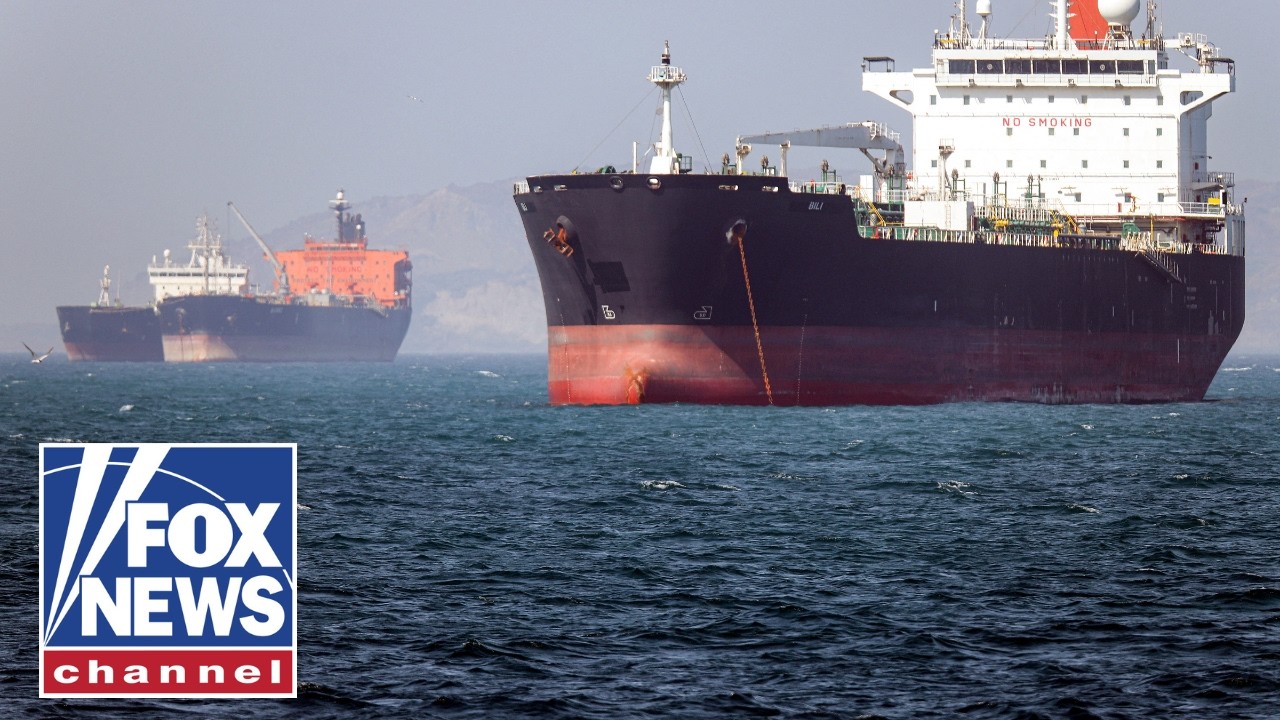
The core of this announcement is a temporary general license. This license specifically permits the purchase of Iranian oil that was loaded onto vessels before a certain deadline. Think of it as a window of opportunity to buy oil that’s already in transit.
Key Dates and Durations
The license opens up the possibility of purchasing oil loaded by 12:01 a.m. Eastern Time on a particular Friday. And crucially, it’s not a permanent change. This authorization is set to expire on April 19, 2026. This timeframe is significant.
The Volume Involved
To give you an idea of the scale, the license covers approximately 140 million barrels of Iranian oil. This is a substantial quantity, and its release onto the market is intended to have a noticeable impact on supply.
What This Doesn’t Mean
It’s just as important to clarify what this relief isn’t. This is not an endorsement of general Iranian oil sales or a signal that all sanctions are being lifted. It’s a very specific exception to the broader sanctions framework.
No Broader Sanctions Rollback Indicated
The U.S. Treasury Department, which oversees sanctions, has made it clear that this is a singular, temporary measure. There’s no indication that this signals a broader rollback of sanctions on Iran across the board. The overarching sanctions regime remains largely in place.
Limited Access to Proceeds
While this allows for the sale of oil, it’s important to note that during the Trump administration’s “maximum pressure” campaign, Iran’s ability to access the proceeds from its oil sales was heavily restricted. This context is still relevant, as the conditions under which Iran can benefit financially are likely still tightly controlled.
The “Wartime Context” and Strategic Shifts
The timing of this relief is very much tied to specific events and a re-evaluation of past strategies. The geopolitical landscape plays a huge role here.
Strikes on Iranian Oil Infrastructure
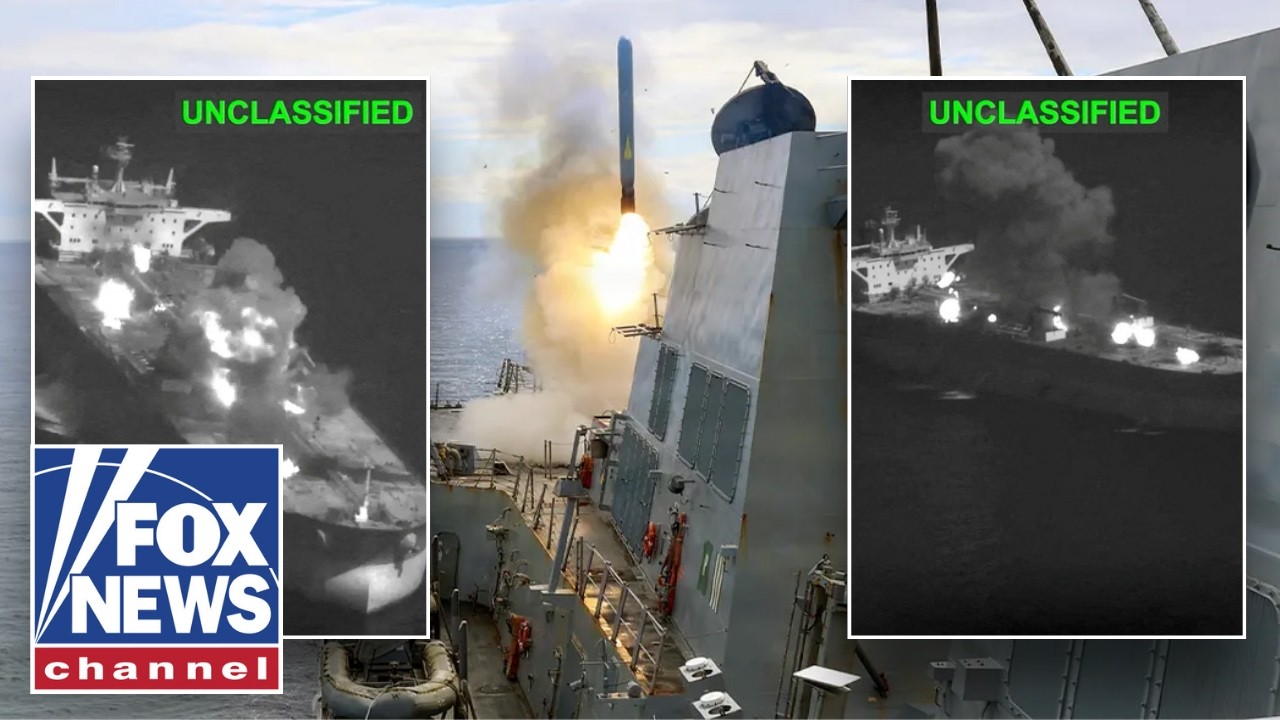
Recently, there have been strikes targeting Iranian oil infrastructure, including facilities like Kharg Island. These attacks have had a direct impact on Iran’s ability to export oil and have disrupted supply chains.
Threats Over the Strait of Hormuz
The Strait of Hormuz is a critical chokepoint for global oil transport. Any threats or disruptions in this region have significant implications for energy security worldwide. The current tensions add another layer of complexity to the energy market.
The “Maximum Pressure” Strategy’s Evolution
The “maximum pressure” strategy, initiated by the Trump administration after withdrawing from the Joint Comprehensive Plan of Action (JCPOA), aimed to isolate Iran economically and politically. This recent move suggests a recalibration of that strategy, acknowledging the need for a more nuanced approach in the face of current global challenges.
Energy Market Pressures: The Driving Force
Let’s be frank: high oil prices are a major factor driving this decision. When consumers and businesses feel the pinch of soaring energy costs, governments look for solutions.
High Oil Prices Despite SPR Releases
Even with releases from the U.S. Strategic Petroleum Reserve (SPR) – a measure typically taken to inject more oil into the market during supply crunches – oil prices have remained stubbornly high. This suggests that the SPR alone wasn’t sufficient to counter the market pressures.
Qatar LNG Incident and Market Concerns
Adding to the energy market anxieties, there was a separate report about an attack that significantly impacted Qatar’s LNG capacity. Qatar is a major exporter of liquefied natural gas. An incident like that, which reduced its capacity by 17%, would naturally send ripples through the global energy supply chain and heighten concerns about security and availability.
The Need for Additional Supply
In this environment, any available source of oil is being considered. Allowing the sale of oil already loaded by Iran is seen as a way to add to the global supply and potentially alleviate some of the upward pressure on prices.
Exclusions and Limitations: Who Can’t Buy?
It’s crucial to understand that this relief isn’t available to everyone. There are specific exclusions that are important to be aware of. These are designed to prevent the sanctioned oil from reaching certain destinations.
Restrictions on Specific Buyers
The authorization comes with a list of entities and countries that are explicitly excluded from purchasing this oil. This is a standard practice in sanctions regimes, aiming to prevent circumvention and ensure that the relief serves its intended purpose.
North Korea, Cuba, and Occupied Ukraine
Among the notable exclusions are buyers from North Korea, Cuba, and parts of Ukraine that are considered Russian-occupied. These exclusions align with existing U.S. foreign policy and sanctions objectives concerning these regions.
Ensuring Compliance
These exclusions are critical for ensuring compliance with the broader U.S. sanctions framework and international law. They are part of the mechanism to control where the oil goes and who benefits from its sale.
Background: The JCPOA and Reinstated Sanctions
To fully grasp the current situation, it’s helpful to remember the history of U.S. sanctions on Iran. This recent action doesn’t happen in a vacuum.
The JCPOA Withdrawal and Sanctions Reinstatement
The situation changed significantly when the U.S. withdrew from the JCPOA in 2018. Following this withdrawal, the U.S. reinstated a wide range of sanctions on Iran, impacting various sectors of its economy, including its oil industry.
Ongoing OFAC General Licenses
Even before this oil-specific relief, the Office of Foreign Assets Control (OFAC), which administers U.S. economic and trade sanctions, had various general licenses in place. These typically authorize very specific, often humanitarian or limited commercial, activities. They are not broad waivers of sanctions.
The Current Situation is Specific
What we’re seeing with the oil at sea is a departure from the broader sanctions regime, but it’s confined to that specific transaction and timeframe. It’s a very particular exception to the general rule, designed to address immediate market needs rather than signal a foundational shift in U.S.-Iran relations or sanctions policy as a whole. The underlying sanctions architecture remains the primary framework.
FAQs
What are Iran sanctions relief?
Iran sanctions relief refers to the easing or lifting of economic sanctions imposed on Iran by the United States and other countries. These sanctions were put in place to pressure Iran to limit its nuclear program and comply with international agreements.
When did Iran sanctions relief occur?
Iran sanctions relief occurred in January 2016 when the International Atomic Energy Agency (IAEA) verified that Iran had fulfilled its commitments under the nuclear agreement known as the Joint Comprehensive Plan of Action (JCPOA). As a result, the United States, the European Union, and the United Nations lifted certain sanctions on Iran.
What were the effects of Iran sanctions relief?
The effects of Iran sanctions relief included the unfreezing of Iranian assets held abroad, the lifting of restrictions on Iran’s oil exports, and the reintegration of Iran into the global economy. This allowed Iran to access previously frozen funds and engage in international trade and investment.
Did Iran sanctions relief lead to a change in Iran’s behavior?
While Iran sanctions relief was intended to incentivize Iran to limit its nuclear program, it did not lead to a significant change in Iran’s behavior in other areas, such as its support for militant groups in the Middle East or its ballistic missile program. Critics of the JCPOA argued that Iran continued to engage in destabilizing activities despite the sanctions relief.
What is the current status of Iran sanctions relief?
The current status of Iran sanctions relief is uncertain. In 2018, the United States withdrew from the JCPOA and reimposed sanctions on Iran. This has led to a renewed economic pressure on Iran and a deterioration of relations between Iran and the United States. The future of Iran sanctions relief depends on the outcome of diplomatic efforts and negotiations between the involved parties.


 One Place News