oneplacenews
So, you’ve probably heard some talk about a “15-point deal” concerning Iran and the US, and maybe you’re wondering what that’s all about and, more importantly, how to sidestep something like that. The short answer is, avoiding such a deal, particularly one that involves significant concessions or doesn’t align with your core interests, comes down to clear communication, firm negotiation, and a solid understanding of your own bottom line. It’s not about being difficult for the sake of it, but about ensuring any agreement is one you can actually live with.
Understanding the “15-Point Deal” Idea
The concept of a “15-point deal” emerged recently in the context of US-Iran relations. It’s been described as a proposal put forward by the US, reportedly involving a significant number of specific demands. While the exact details can get a bit murky, often due to official statements being carefully worded or leaks to the press, the general gist is that it’s a comprehensive package designed to fundamentally alter Iran’s strategic posture and capabilities.
What Was Reportedly in the Proposal?
From what’s been reported, this wasn’t a minor tweak to existing arrangements. It reportedly included substantial demands related to Iran’s nuclear program, its regional activities, and its international relationships. Think about things like:
- Nuclear Program Restrictions: This usually involves calls for dismantling parts of the program, zero uranium enrichment, and potentially handing over existing enriched uranium to international bodies like the IAEA. The numbers thrown around, like 450kg of 60% enriched uranium, are quite specific and indicate a desire for significant rollback.
- Missile Development Limits: Iran’s ballistic missile program has been a point of contention for a long time. Proposals like this often seek to limit its development and deployment.
- Regional Influence: A big part of the tension involves Iran’s support for various groups and its perceived influence in regions like the Middle East. The deal likely called for a reduction in this support.
- Strait of Hormuz: This crucial waterway is a choke point for global oil transport. Demands often relate to ensuring its unimpeded passage, which has implications for both trade and security.
Why “15 Points”?
The number “15” itself is largely a label. It signifies a structured, multi-faceted approach to resolving a complex set of issues. It’s not inherently good or bad; it just means there are many components to the proposed agreement.
Iran’s Response and Stance
Iran’s position on any such proposal is critical to understanding how to avoid a particular “deal.” When the reported 15-point proposal came up, Iran’s reaction was clear: a rejection. This wasn’t a quiet disagreement; it was a public statement of their terms.
The Five Conditions for Ending the War
To avoid being cornered into an unfavorable agreement, Iran laid out its own conditions for ending the conflict. These were not minor requests; they represented fundamental aspects of sovereignty and the consequences of what they viewed as aggression.
- Halting Aggression: This is a foundational demand, asserting that any peace process must begin with the cessation of hostilities by the opposing party.
- War Reparations: Iran has stated its expectation for compensation for damages incurred during the conflict. This is a significant financial and symbolic demand.
- Strait of Hormuz Rights: This relates to Iran’s sovereign rights over the strait and its control over passage through it, emphasizing their perspective on maritime security.
Denying Direct Talks Intention
It’s also important to note Iran’s consistent stance on direct talks. They’ve often denied an intention to engage directly with the US, especially when such discussions are framed around accepting US-dictated terms. The use of intermediaries, like Pakistan in this case, highlights their preference for a mediated process rather than a direct, potentially unequal negotiation.
The US Side: “Major Points of Agreement” vs. Reality
On the US side, the narrative around the proposal has also been complex. Official statements sometimes paint a picture of progress, while other elements suggest a more cautious or nuanced reality.
Claiming “Major Points of Agreement”
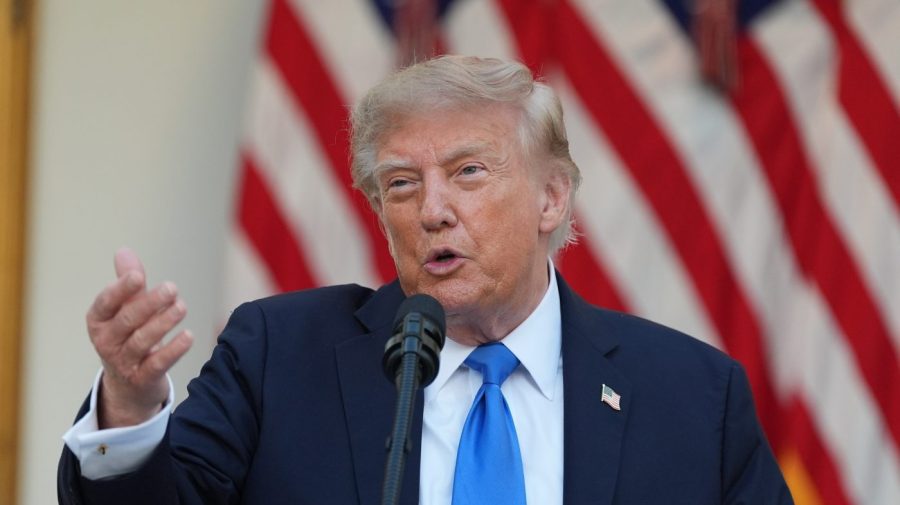
There have been instances where US officials, particularly President Trump, have spoken about “major points of agreement” after indirect talks. This can create an impression that an understanding is close at hand. However, the language used is often broad and can be interpreted in various ways.
White House Downplaying Full Plan
In contrast to the optimistic pronouncements, the White House has also issued statements cautioning against speculation. They’ve described some of the details circulating as “media speculation” from anonymous sources. This suggests a deliberate strategy to control the narrative and avoid committing to unconfirmed aspects of the plan.
The Impact on the Ground (or Lack Thereof)
The real-world implications or lack thereof of these diplomatic maneuvers are telling. Discussions about peace proposals don’t automatically translate into a de-escalation of actual fighting.
No Reduced Fighting Reported
Despite the high-level talks and reported proposals, there hasn’t been consistent reporting of reduced fighting or a tangible improvement in the immediate security situation. This is a critical indicator: if the situation on the ground isn’t changing, the diplomatic process might be struggling to gain traction or achieve its intended practical outcomes.
Extended Deadlines and Market Easing
The mention of extending deadlines, such as the one for the Strait of Hormuz, can offer temporary relief, perhaps to financial markets or to avoid immediate escalations. However, these are often tactical adjustments rather than fundamental breakthroughs. They might buy time, but they don’t necessarily resolve the core issues.
Strategies to Avoid an Unwanted Deal
Given the complexities, how does one practically avoid a deal that isn’t beneficial? It boils down to a combination of clear communication, strategic positioning, and unwavering principles.
Maintain Clear and Direct Communication
One of the most effective ways to avoid misunderstandings and unwanted outcomes is through clear, unambiguous communication. This means stating your positions and expectations plainly, without leaving room for misinterpretation.
- Define Your Red Lines: Before any negotiation begins, it’s crucial to identify your absolute non-negotiables. What are the points that, if crossed, would make any deal unacceptable? These should be clearly articulated, not just to the other party, but internally as well.
- Use Precise Language: In diplomatic and negotiation contexts, vague language can be dangerous. Every word matters. Ensure that what is said precisely reflects your intent and that any written agreements are equally precise. Avoid jargon that could be misinterpreted.
- Confirm Understanding: After important discussions, it’s wise to summarize and confirm mutual understanding. This can be done verbally or through follow-up written communication. For example, “To ensure we’re on the same page, my understanding of our discussion is X, Y, and Z. Is that correct?”
Stick to Your Own Terms and Conditions
If the aim is to avoid a deal that forces you to compromise on essential principles or capabilities, then holding firm to your own established terms is paramount. This is where Iran’s insistence on ending the war on its terms becomes relevant.
- Develop Your Own Framework: Don’t just react to proposals. Develop your own comprehensive framework for resolution that addresses your core concerns and interests. This framework becomes your basis for negotiation, not just a response to what’s presented to you.
- Prioritize Sovereign Rights: In many geopolitical contexts, sovereign rights are a fundamental aspect of national interest. Any proposal that seeks to infringe upon these rights would likely be considered unacceptable, and adherence to this principle is key to rejecting unwanted deals.
- Link Concessions to Reciprocity: If you are being asked to make concessions, then clear reciprocity needs to be established. What exactly will you receive in return, and how will those returns be guaranteed? Without genuine and valuable reciprocity, concessions are simply losses.
Leveraging Veto Power (Implicit or Explicit)
In any negotiation, the power to say “no” is significant. Understanding when and how to exercise this power can prevent unfavorable agreements.
- The Power of “No”: It’s often assumed that the goal is always to reach an agreement. However, sometimes the best outcome is no agreement, especially if the alternative is detrimental. Iran’s rejection of the 15-point proposal demonstrates this.
- Strategic Delays and Non-Commitment: While direct confrontation isn’t always necessary, strategic delays or a clear lack of commitment to certain aspects of a proposal can be effective. This isn’t about stonewalling indefinitely, but about signaling that the current terms are not acceptable and that further negotiation or revision is needed.
- Building Alliances and Garnering Support: Sometimes, the ability to resist an unwanted deal is strengthened by having external support. This could involve diplomatic alliances, or at least international understanding of your position. This doesn’t mean seeking permission to reject a deal, but ensuring your rationale is understood and perhaps supported by key international actors.
Focus on Practical Outcomes, Not Just Declarations
The most successful negotiations lead to tangible, positive changes. When diplomatic efforts don’t translate into real-world improvements, their value is questionable.
- Measurable Progress: Any proposed agreement should have clear metrics for success and progress. This is especially true if the goal is to de-escalate conflict or achieve specific security outcomes. Are there observable reductions in fighting? Is there verifiable compliance with terms?
- Verification Mechanisms: For agreements involving sensitive issues like nuclear programs or military capabilities, robust verification mechanisms are essential. Without them, promises are just words. The handover of materials to the IAEA, for instance, is a practical step if it happens. If it doesn’t, the demand loses its teeth.
- Long-Term Stability: The ultimate goal of any resolution should be long-term stability, not just a temporary pause in hostilities. Consider whether the proposed deal addresses the root causes of conflict or simply papers over them. A deal that doesn’t foster genuine stability is likely to fail.
In essence, avoiding a deal like the reported 15-point proposal, or any deal that doesn’t serve your fundamental interests, requires a combination of clear communication, strategic patience, and a firm grasp on your own non-negotiables. It’s about projecting strength not through aggression, but through an unwavering commitment to your nation’s security and sovereignty, ensuring any agreement reached is one that can actually be lived with and that contributes to a more stable future.
FAQs
What is the 15-point deal that was avoided?
The 15-point deal refers to a proposed agreement between two parties that was ultimately avoided or not reached.
Who were the parties involved in the 15-point deal?
The specific parties involved in the 15-point deal were not mentioned in the article.
Why was the 15-point deal avoided?
The article did not provide specific details on why the 15-point deal was avoided.
What were the potential implications of the 15-point deal if it had been reached?
The article did not provide information on the potential implications of the 15-point deal.
What are the next steps following the avoidance of the 15-point deal?
The article did not outline the next steps following the avoidance of the 15-point deal.

 One Place News