oneplacenews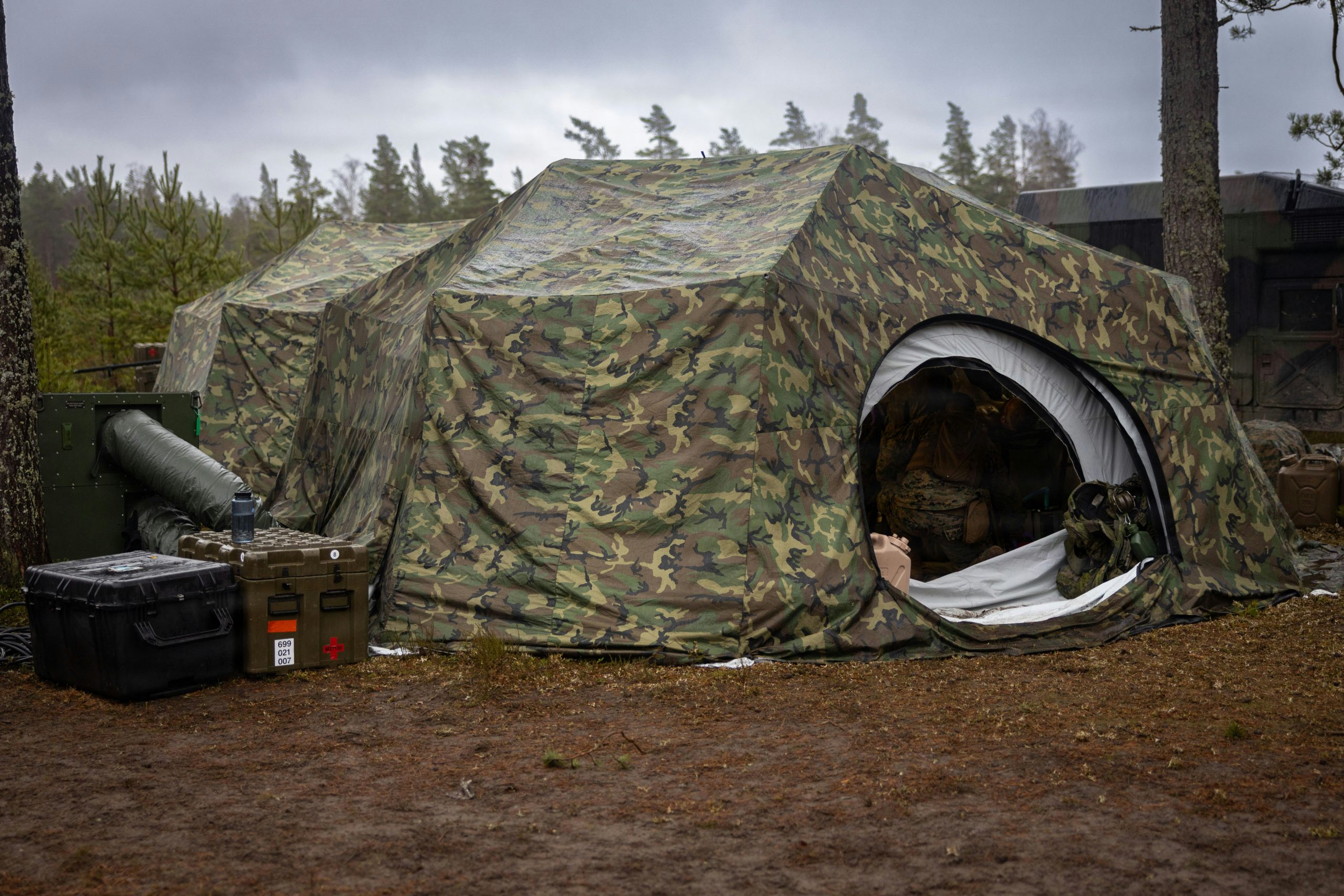
So, the U.S. military operations on Iranian energy infrastructure are on pause. What does that actually mean and what are we looking at in the coming months and years? It’s a complex situation, and frankly, there’s a lot of uncertainty mixed with some pretty clear signals. The immediate news is that President Trump has extended this pause, reportedly at Iran’s request, while talks are supposedly moving forward. But don’t let that lull you into thinking everything is suddenly calm. There’s a whole lot going on behind the scenes and a significant military presence still in the region.
The Pause: More Than Just a Timeout
The extension of the pause on U.S. strikes targeting Iran’s energy infrastructure is a pretty big deal. It’s not just a temporary break; it’s been pushed out to April 2026. The official line is that this is happening because Iran requested it, and talks are described as “going very well.” There’s also talk of a 15-point U.S. peace proposal, supposedly put forward by envoy Steve Witkoff.
What “Going Very Well” Might Actually Mean
When you hear “talks going very well,” it’s easy to picture handshakes and agreements. But in this context, it’s more likely to mean that both sides are engaged in some form of dialogue, even if it’s tense and adversarial. The “peace proposal” is likely a set of demands disguised as an offer, and Iran’s request for a pause suggests they’re trying to buy time, either to assess their own position, gain leverage, or potentially achieve some concessions through negotiation rather than full capitulation.
The Significance of the Extended Timeline
An extension to April 2026 is a long time in geopolitical terms. It signals a commitment to a drawn-out process, whether that’s for negotiations, de-escalation, or simply maintaining a certain level of pressure without full-blown conflict. It’s not a quick fix, and it suggests that the underlying issues are deeply entrenched.
Military Buildup: The Signal to Pay Attention
Despite the pause on specific strikes, let’s be clear: the U.S. military presence in the region hasn’t diminished. If anything, it’s been amplified. This isn’t just about a show of force; it’s about preparations for a range of potential outcomes.
Carrier Strike Groups Deployed
You’ve heard about the aircraft carriers, like the USS Abraham Lincoln and the USS George H.W. Bush, being in the area. These aren’t just floating hotels. They represent mobile airfields, command centers, and significant power projection capabilities. Their presence is a clear indicator that the U.S. is maintaining a substantial military footprint and is ready to deploy air power rapidly if needed.
Reinforcements on the Ground
Thousands of Marines have been deployed as part of amphibious groups. These are highly trained, expeditionary forces capable of conducting a wide array of missions, from humanitarian aid to direct combat. The repositioning of 1,000-1,500 troops from the 82nd Airborne Division also signals a readiness for ground operations, suggesting that the U.S. is prepared for scenarios beyond naval or air-based actions.
Advanced Weaponry in Place
The deployment of advanced fighter jets and missile systems isn’t for show. These are assets designed to provide air superiority, conduct precision strikes, and defend against missile attacks. Their presence indicates a readiness to engage in high-intensity warfare if necessary.
The Warning of Escalation
President Trump has been quite direct. He’s warned that strikes could intensify within a few weeks if Iran doesn’t comply with whatever demands are being made. The phrase “finish the job” is particularly stark. It suggests that the current pause is conditional and that the U.S. has a definitive end goal in mind, which, if not achieved through negotiation, could be pursued through military means.
Regional Ripples: It’s Not Just U.S. and Iran
The tensions aren’t confined to a direct bilateral dispute. The region is a complex web of alliances and rivalries, and actions taken by one nation inevitably have repercussions.
Israeli Involvement
Israel has been actively involved, conducting significant strikes on Tehran infrastructure. This isn’t a new development; Israel views Iran’s regional activities as a direct threat and has taken action to counter them. These strikes are likely aimed at crippling Iran’s ability to project power and support its proxies.
Iranian Retaliation
In response, Iran has also been active. Reports indicate they’ve targeted U.S. Patriot sites in Bahrain, as well as Israeli sites and Hezbollah areas in Beirut, using missiles and drones. This demonstrates Iran’s capacity to retaliate and its willingness to do so, escalating the conflict in a tit-for-tat fashion.
The Role of Proxies
The mention of Hezbollah areas in Beirut highlights the broader issue of Iran’s network of proxy groups. These groups are often used to extend Iran’s influence and carry out actions that Iran might not want to be directly responsible for. Disrupting these proxies is a key objective for the U.S. and its allies.
U.S. Objectives: What’s the End Game?
This is where things get particularly fuzzy, and it’s important to look at the stated goals alongside the actions being taken. The administration has articulated a broad set of objectives regarding Iran, but there appear to be some internal inconsistencies.
Obliterating Key Capabilities
The stated goals are ambitious. They include dismantling Iran’s missile capabilities, its navy, its nuclear program, and significantly degrading its network of proxies. These are not minor objectives; they represent a desire to fundamentally alter Iran’s military power and regional influence.
Conflicting Signals on Leadership
There’s a noticeable tension between statements suggesting engagement with new Iranian leadership and others that clearly point towards full regime change. This ambiguity could be a deliberate negotiating tactic, or it could reflect genuine divisions within the administration about the ultimate desired outcome. If the goal is simply regime change, then a pause and negotiation might seem counterintuitive unless it’s a strategy to weaken the current regime indirectly.
Seizing Iranian Oil: A Bold Move
President Trump has also floated the idea of seizing Iranian oil as an option. This is a significant economic lever, and its consideration suggests a willingness to employ drastic measures to achieve strategic goals. If implemented, it would have substantial global economic implications, particularly for oil prices.
Economic Signals: The Market Reacts
The world doesn’t operate in a vacuum, and geopolitical maneuvers have a direct impact on global financial markets. The reactions we’ve seen highlight the interconnectedness of these events.
Oil Price Volatility
After President Trump’s warning for Iran to agree to a deal “before it is too late,” oil prices saw an increase. This is a predictable response. Any perceived increase in the likelihood of conflict or disruption in a major oil-producing region tends to drive up prices as markets price in the risk of supply shortages.
Stock Market Fluctuations
Similarly, stock markets have reacted negatively, experiencing declines. This suggests investor concern about the potential impact of a prolonged or escalating conflict. Uncertainty about geopolitical stability often leads to a risk-off sentiment, where investors move their money to safer assets, causing stock markets to drop.
The Pressure Tactic
The economic signals are clearly intended as a pressure tactic. By highlighting the potential for heightened tensions and their impact on global markets, the U.S. is likely trying to incentivize Iran to come to the negotiating table with a more compliant attitude. It’s a way of saying, “This situation could get a lot worse, and the whole world will feel it.”
Looking Ahead: The Uncertainty Factor
So, what comes next? That’s the million-dollar question, and the honest answer is: it’s incredibly difficult to say with certainty. The current situation is a delicate balancing act, filled with potential pitfalls and unpredictable turns.
The Nature of the Talks
Whether the ongoing talks are genuinely productive or merely a procedural step to a predetermined outcome remains to be seen. The success of these talks will hinge on the willingness of both sides to compromise, which, given the current rhetoric, seems unlikely in the short term. The U.S. seems intent on significant concessions from Iran, while Iran is unlikely to yield easily.
The Viability of the Peace Proposal
The specifics of the 15-point U.S. peace proposal are not public. Without knowing the details, it’s hard to assess its feasibility. Is it a genuine path to de-escalation, or is it a set of demands that Iran cannot realistically accept? The “going very well” narrative might be a way to present a façade of diplomacy while military options remain highly active.
Iran’s Response to Pressure
Iran’s strategic calculus will be crucial. How will they respond to continued military pressure, economic sanctions (which are likely still in place, even with the pause on energy strikes), and diplomatic isolation? Their response will dictate whether the pause is a temporary détente or a precursor to further conflict. They might choose to weather the storm, or they might escalate in ways that force the U.S.’s hand.
The Risk of Miscalculation
In any high-tension environment, the risk of miscalculation is always present. A misinterpreted action, an unintended escalation, or an unforeseen event could quickly derail any diplomatic efforts and plunge the region into a wider conflict. The continuous military deployments, while intended as a deterrent, also increase the potential for such missteps.
The Long Game
The extension of the pause to 2026 suggests that the U.S. administration is prepared to play a long game. This could involve sustained diplomatic pressure, intermittent military signaling, and a continued effort to isolate Iran economically and politically. The effectiveness of such a long-term strategy will depend on a multitude of factors, including domestic political developments in both countries and the broader international landscape. The current approach seems to be a blend of aggressive deterrence and a thin veneer of diplomatic engagement, aiming for eventual capitulation from Iran.
FAQs
What is the current status of U.S. military operations?
The U.S. military has paused its operations in order to conduct a review of its activities and ensure compliance with international law and human rights standards.
Why have U.S. military operations been paused?
The pause in U.S. military operations is a result of concerns about civilian casualties and potential violations of international law during recent military actions.
How long will the pause in U.S. military operations last?
The duration of the pause in U.S. military operations is currently unclear, as it will depend on the outcome of the review and any necessary changes to military procedures and protocols.
What impact will the pause in U.S. military operations have on ongoing conflicts?
The pause in U.S. military operations may lead to a temporary reduction in military activities in certain conflict zones, as the review process is carried out and any necessary adjustments are made.
What steps is the U.S. military taking to address concerns about civilian casualties and international law violations?
The U.S. military is conducting a thorough review of recent military operations and is committed to ensuring compliance with international law and human rights standards. This may involve changes to military procedures and protocols to minimize civilian harm and uphold legal and ethical standards.

 One Place News