oneplacenews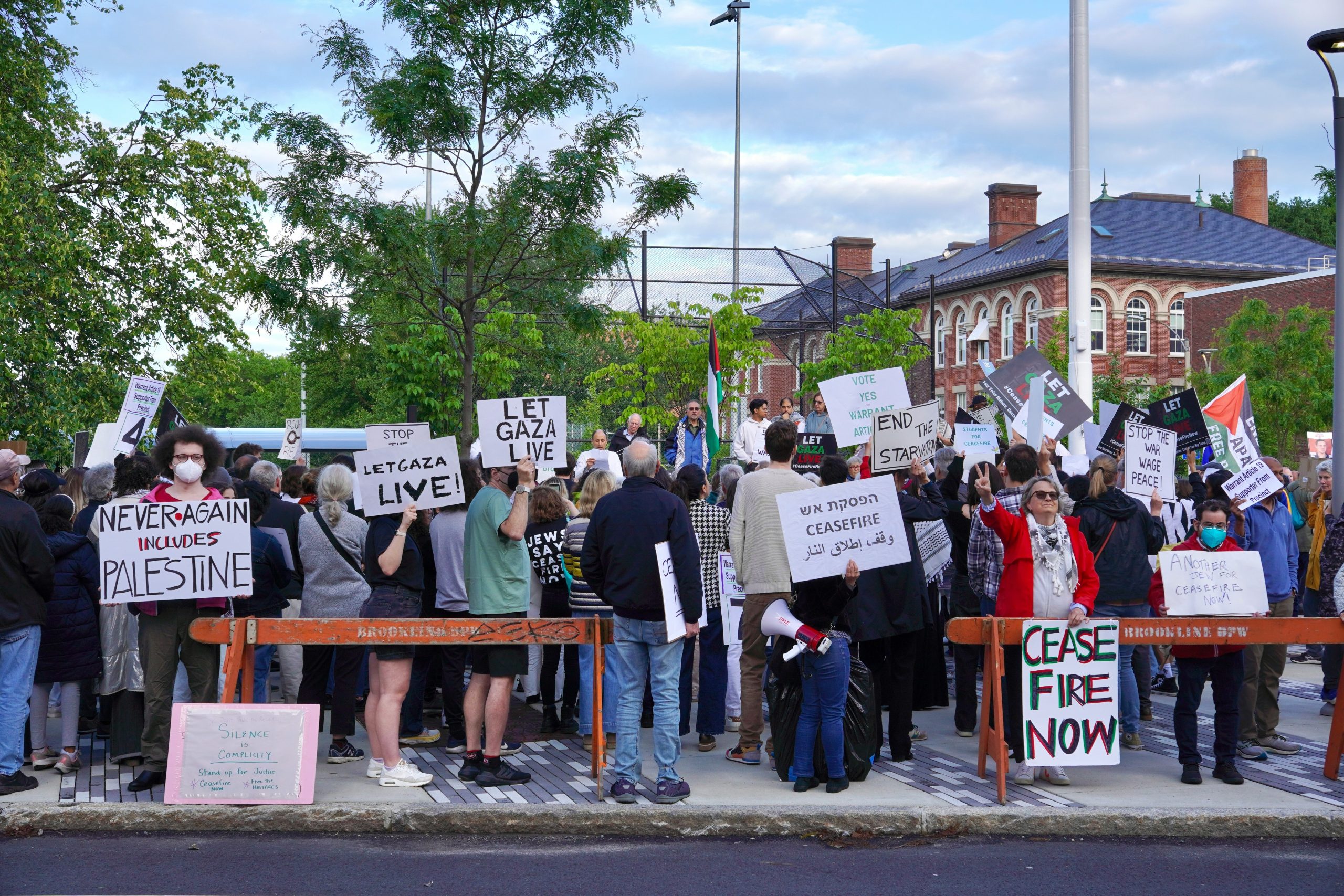
The announcement of a ceasefire between the US and Iran on April 7, 2026, comes as unexpected news, potentially marking a significant shift in a long-standing period of heightened tension. This two-week truce, brokered just before a critical deadline for potential strikes, opens a narrow window for intense negotiations aimed at de-escalating the situation and establishing a more stable path forward. At its core, this agreement, if it holds, is about giving diplomacy a much-needed chance to breathe.
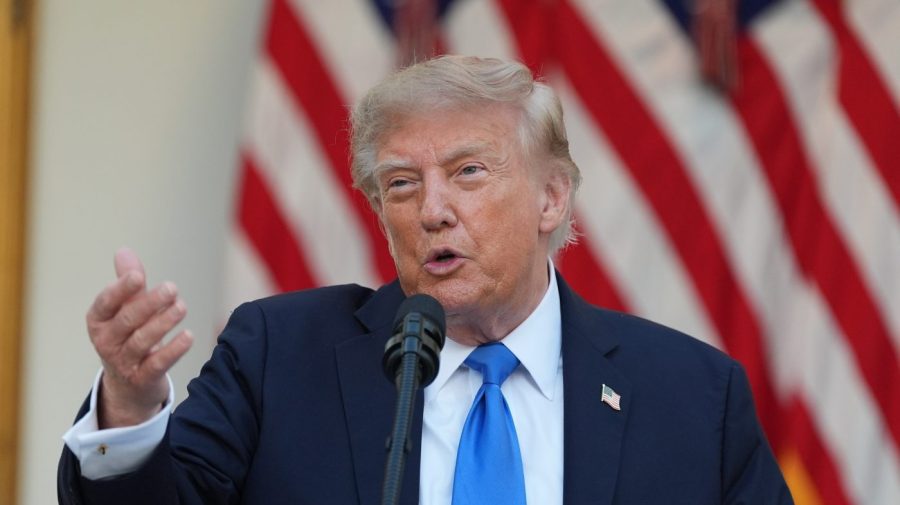
The pressure was undeniably on. With an 8 p.m. ET deadline looming, the spectre of significant military action against Iran’s infrastructure hung heavy in the air. President Trump’s announcement of a ceasefire, however, pulled back from that brink. This wasn’t an outcome many anticipated, especially given the preceding weeks’ rhetoric and the palpable sense of impending conflict. The agreement essentially presses pause on immediate military escalation, creating a brief but crucial period for dialogue.
The Two-Week Window
- Purpose: The primary goal of this two-week ceasefire is not merely to halt immediate hostilities, but to create a dedicated timeframe for substantive negotiations. This isn’t an indefinite peace, but a strategic pause.
- Key Players: The direct parties to this ceasefire are the United States and Iran. However, the ripple effects and the negotiation table are likely to involve a wider cast of international actors.
- Underlying Tensions: It’s vital to remember that this is a ceasefire, not a resolution. The fundamental disagreements that led to the current crisis remain, and this period is about addressing them head-on.
The Pre-Deadline Precipice
- Infrastructure Strike Threat: Prior to the ceasefire, there were clear indications that the US was prepared to initiate strikes on Iran’s infrastructure. This threat was a significant factor in the diplomatic maneuvering leading up to April 7th.
- Global Ramifications: The potential for such strikes was acknowledged to have far-reaching consequences, not only for the immediate region but also for global markets and international stability. The UN’s warning about potential war crimes highlights the gravity of the situation should such actions have proceeded.
The Core of the Dispute: The Strait of Hormuz
The Strait of Hormuz, a vital chokepoint for global oil shipments, stands out as the primary point of contention between the US and Iran. Its strategic importance cannot be overstated, and control over its waterways is central to this conflict. The differing perspectives on its status are a major hurdle for any lasting peace agreement.
US Priorities
- Full and Unrestricted Passage: For the United States, the paramount concern is the full and unimpeded reopening of the Strait of Hormuz. This aligns with its long-standing commitment to freedom of navigation and the flow of global commerce.
- Economic Stability: The free passage of oil through the strait is intrinsically linked to global economic stability. Any disruption carries the risk of significant price hikes and supply chain disruptions.
Iran’s Stance
- Assertion of Control: Iran maintains its insistence on having significant control over the Strait. This is framed not just as a matter of national sovereignty but also as a means to secure its own interests and deter perceived threats.
- “Safe Passage” Through Coordination: As a concession during the ceasefire, Iran has offered what it terms “safe passage” through the Strait, but this comes with the condition of coordination with its forces. This implies a degree of Iranian oversight and approval for vessels transiting the waterway. This is a critical distinction from the US demand for unfettered access.
Pakistan’s Diplomatic Engagement

Pakistan, through Prime Minister Shehbaz Sharif, has actively engaged in diplomatic efforts, advocating for the extension of the ceasefire. Sharif’s intervention underscores the regional impact of this standoff and Pakistan’s role as a potentially mediating force.
Urging Extension
- Recognizing Progress: Sharif has openly credited the diplomatic progress made thus far for the current ceasefire. This suggests that behind-the-scenes discussions have yielded some positive movement, however tentative.
- Call for Reciprocity: His request for a reciprocal opening of the Hormuz waterway, offered as a goodwill gesture, highlights a desire for a balanced approach. This implies that concessions from both sides are seen as necessary for sustainable de-escalation.
Regional Implications
- Pakistan’s Stakes: As a neighboring country and a significant regional player, Pakistan has a vested interest in peace and stability. Prolonged conflict or instability in the Persian Gulf directly impacts its own security and economic interests.
- Broader Diplomatic Network: Sharif’s outreach suggests an attempt to leverage Pakistan’s relationships with both the US and Iran, as well as its standing within international organizations, to facilitate further dialogue.
Iran’s Ten-Point Peace Proposal: Key Demands

Tehran has put forward a comprehensive 10-point proposal, which it heralds as a “victory” – even before formal implementation. This document outlines Iran’s core demands and lays out its vision for a future relationship with international partners, particularly the US.
Core Tenets of the Proposal
- Sanctions Relief: A central demand is the complete lifting of all economic sanctions imposed on Iran. This is viewed by Tehran as an essential step towards normalizing its economy and reintegrating into the global financial system.
- Nuclear Enrichment Rights: Iran insists on its right to nuclear enrichment. This is a highly sensitive issue that has been a major source of international friction, with the proposal likely seeking to define the parameters and safeguards for such activities.
- US Troop Withdrawal: The withdrawal of US troops from the region is another significant demand. This speaks to Iran’s longstanding view of foreign military presence as a destabilizing factor and a threat to its security.
- Ending Israel’s Lebanon Incursion: The proposal calls for an end to what Iran refers to as Israel’s “incursion” into Lebanon. This points to the broader regional conflicts and alliances that are intertwined with the US-Iran dynamic.
“Victory” Declared
- Symbolic Importance: Iran’s declaration of the proposal as a “victory” before substantive negotiations have concluded is a strategic move. It signals confidence and aims to frame the current situation favorably within its domestic and regional audience.
- Negotiating Position: This framing also serves as a strong opening negotiating position, setting a clear benchmark for what Iran considers acceptable terms for a resolution.
Israel’s Calculated Alignment
| Metrics | Data |
|---|---|
| Date of Ceasefire | April 7, 2026 |
| Duration of Conflict | 5 years |
| Number of Casualties | Estimated 150,000 |
| Number of Displaced People | Approximately 2 million |
| Agreement Signatories | Government and Rebel Forces |
While initially poised for economic strikes against Iran, Israel appears to have aligned itself with the ceasefire, albeit with a cautious and unofficial acknowledgement. This development, communicated through anonymous White House sources, reveals a complex and nuanced regional calculus.
Pre-Deadline Preparations
- Economic Strike Plans: Reports indicate that Israel had contingency plans in place for economic strikes against Iran, indicating a readiness to act independently if deemed necessary. This underscores the deep-seated animosity and security concerns on both sides.
- Strategic Calculation: The shift towards alignment with the ceasefire suggests a strategic decision to await the outcome of the US-Iran negotiations, rather than launching immediate, potentially escalatory actions.
Lack of Official Comment
- Maintaining Ambiguity: Israel’s official silence on the matter is likely a deliberate tactic. It preserves its options and avoids making public commitments before the full scope of the US-Iran deal becomes clear.
- Interdependence: This stance also highlights the complex interdependencies of regional security. Israel’s actions are often closely coordinated with, or at least informed by, US policy. The official alignment, even if silent, signifies a de-escalation from its prior aggressive posture.
Global Reactions and Persistent Issues
The announcement of the ceasefire has reverberated across the globe, eliciting a range of reactions and highlighting ongoing concerns, particularly regarding the broader geopolitical landscape and specific humanitarian crises.
International Warnings and Concerns
- UN on War Crimes: The United Nations’ warning about potential war crimes stemming from infrastructure strikes served as a stark reminder of the stakes involved. This underscores the international community’s concern over the potential for civilian casualties and the violation of international law.
- Democratic Party Concerns: Within the US, Democratic lawmakers have voiced strong concerns about the escalation risks associated with the brinkmanship that preceded the ceasefire. This internal political dynamic adds another layer to the US foreign policy decision-making.
- Economic Volatility: The surge in fuel prices, directly linked to the blockade and the uncertainty surrounding the Strait of Hormuz, illustrates the tangible economic impact of regional tensions on a global scale. This highlights how geopolitical instability translates into real-world economic consequences for consumers worldwide.
Lingering Crisis in Gaza
- Separate but Connected: It is crucial to note that the issues surrounding Gaza and the ongoing Israeli-Palestinian conflict remain separate from, yet intrinsically linked to, the broader US-Iran standoff. The ceasefire does not address these deeply entrenched humanitarian and political challenges.
- Humanitarian Impact: The persistent crisis in Gaza continues to have devastating humanitarian consequences, and any lasting regional peace will ultimately need to grapple with this protracted conflict. The absence of a resolution here means that a significant source of regional instability remains unaddressed.
The April 7, 2026, ceasefire between the US and Iran is a fragile development. It represents a moment of opportunity, a chance to step back from the precipice and engage in serious dialogue. The success of this two-week window hinges on the willingness of both sides to make genuine concessions and to address the complex issues, particularly the control of the Strait of Hormuz, with pragmatism rather than ideology. The world watches, hoping this step, however tentative, leads towards a more enduring peace, but the path ahead remains fraught with challenges, and the resolution of other critical regional issues, such as the crisis in Gaza, will be vital for any comprehensive notion of regional stability.
FAQs
What is the April 7, 2026 ceasefire?
The April 7, 2026 ceasefire refers to the agreement between warring parties to halt military operations and hostilities on that date.
Which countries or groups are involved in the April 7, 2026 ceasefire?
The specific countries or groups involved in the April 7, 2026 ceasefire would depend on the context of the article. It could involve any parties engaged in armed conflict at that time.
What prompted the April 7, 2026 ceasefire?
The reasons for the April 7, 2026 ceasefire would depend on the specific conflict and circumstances at that time. It could be due to international pressure, exhaustion of resources, or a desire to negotiate a peace agreement.
How long is the April 7, 2026 ceasefire expected to last?
The duration of the April 7, 2026 ceasefire would depend on the terms agreed upon by the warring parties. Ceasefires can range from temporary pauses in fighting to more permanent agreements.
What are the potential implications of the April 7, 2026 ceasefire?
The potential implications of the April 7, 2026 ceasefire could include improved humanitarian access, opportunities for negotiations, and a reduction in violence and civilian casualties. However, the actual impact would depend on the parties involved and their commitment to the ceasefire.

 One Place News